
Plan parking garage cleaning by surface and route
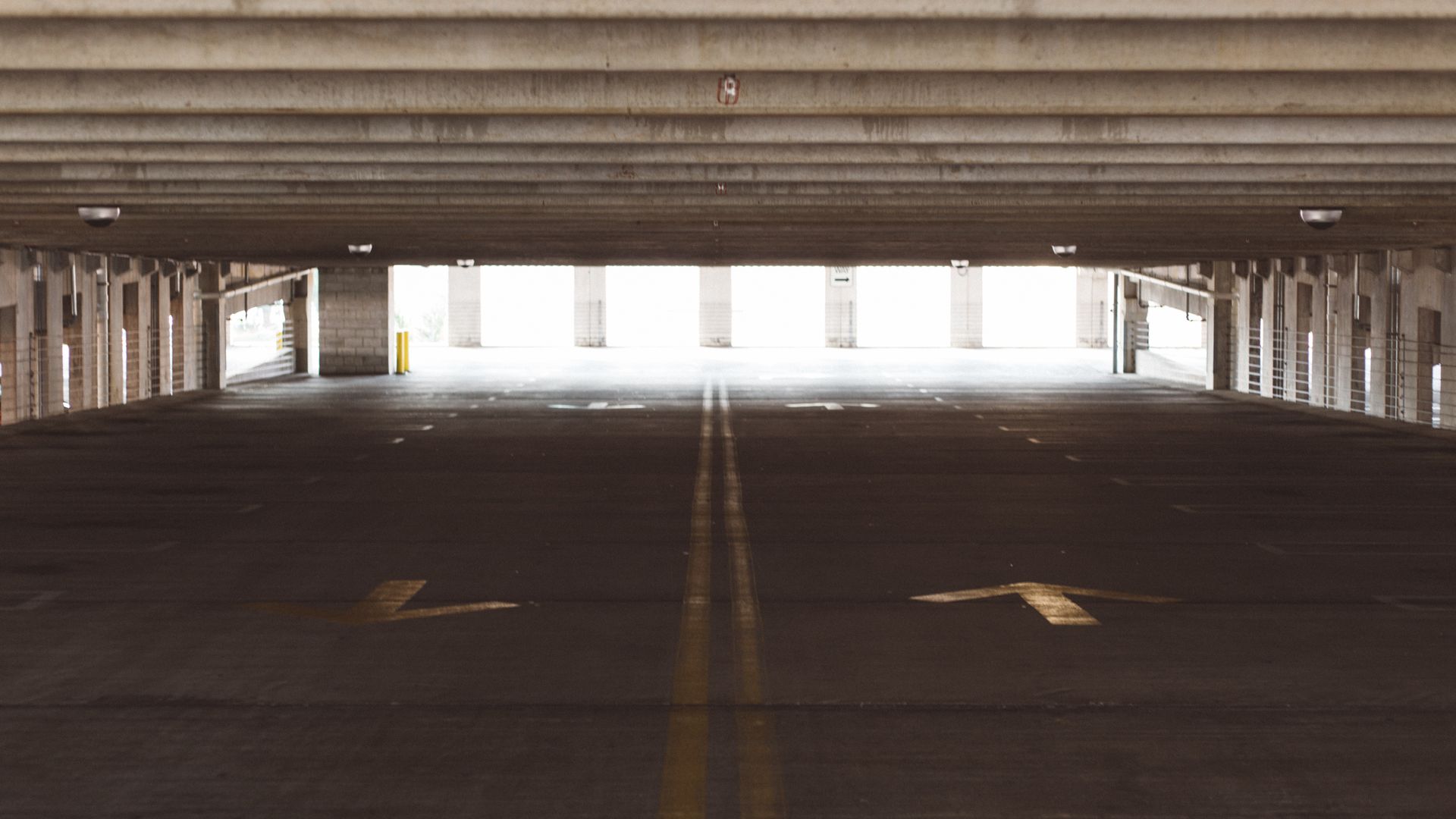
A parking garage cleaning plan should separate loose-debris collection, wet floor cleaning and work outside the building. The machines needed for a covered parking deck may differ from those being considered for the approach road. Start with the floor condition, residue, access and vehicle movements, then choose equipment for each defined task.
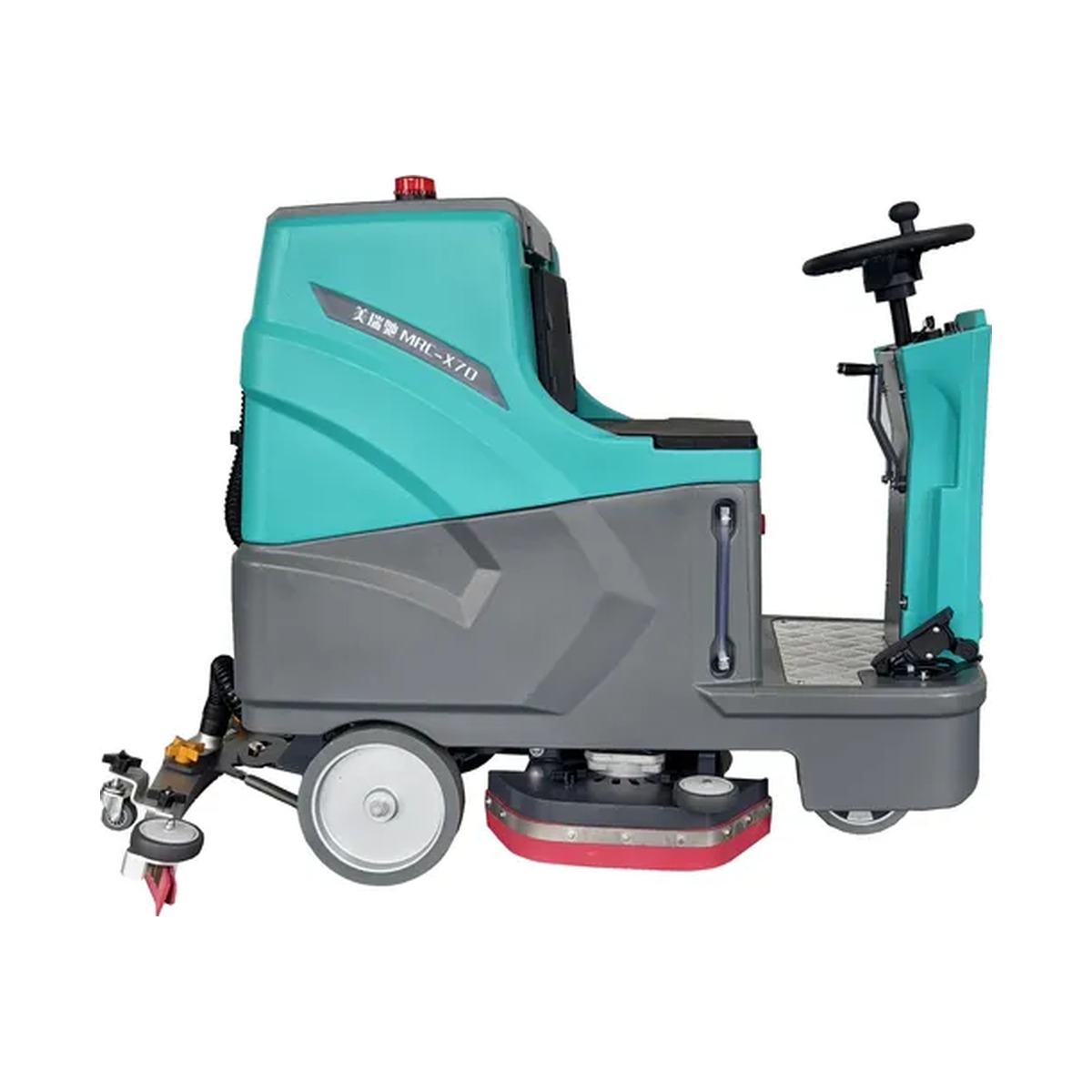
For a wet-cleaning proposal, compare the MRCH X70 ride-on floor scrubber and MRCH X50 walk-behind floor scrubber. For suitable loose-debris routes, review the MRCH M10 walk-behind floor sweeper. The MRCH M23D road sweeper can be raised as a separate outdoor-route enquiry, subject to a review of the actual site and configuration.
This guide helps a facilities team, distributor or contractor prepare that review. It covers the working route, cleaning sequence, supporting facilities and information to include in a quotation request. It does not assume that one of these models is suitable for every ramp, floor finish or traffic arrangement.
Survey the garage while it is in normal use
Walk the facility at the time the cleaning team is expected to work. Record which bays remain occupied, where cars queue, which pedestrian exits are busy and which areas are blocked by equipment or temporary storage. An empty parking deck is a poor representation of a route that must be cleaned during normal operation.
Mark entrances, exits, ramps, barriers, payment areas, pillars and accessible service points on a simple plan. Include low pipes, signs and changes in ceiling height. Photograph the tightest turns and the approach to each doorway. The route from storage to the cleaning area is part of the survey, even if it lies outside the main parking deck.
Ask the responsible site team about damaged floor sections, drainage concerns and areas that cannot be closed at the planned time. Give each unresolved issue an owner. A machine quotation can describe equipment, but the site still needs a workable arrangement for releasing and reopening the cleaning zone.
Separate the different kinds of material
Record loose litter, grit, tracked-in dirt, adhered grime and unidentified spills separately. Photograph representative conditions rather than only the worst isolated spot. Note whether the material occurs every day, after wet weather or near a particular entrance. This helps distinguish routine route cleaning from occasional corrective work.
Large packaging, sharp items and other unsuitable debris should be dealt with through the site’s approved collection process before wet scrubbing. Do not assume that a scrubber’s cleaning head is intended to collect every object on the floor. Where loose debris forms a substantial part of the route, discuss sweeping as its own task.
Unknown liquids or materials require the site’s appropriate response, not an automatic pass with a cleaning machine. Establish what the material is and which procedure applies before selecting equipment or chemistry. Keep those incidents separate from the ordinary scheduled cleaning record so that the routine does not become a substitute for incident management.
Choose between sweeping and wet scrubbing
Use the condition of the floor to define the process. Sweeping is a route-based collection method for suitable loose material. Wet scrubbing addresses a different task: cleaning a compatible surface with an appropriate tool and solution, followed by recovery. A facility can need both, but the order and frequency should come from its actual conditions.
Kärcher’s parking garage cleaning guidance discusses separate indoor and outdoor work and the choice between dry and wet methods. For an MRCH proposal, use that distinction to prepare a task list. Do not assume that combined sweeping-and-scrubbing functions described for another manufacturer’s machines are present on an X50, X70 or M10.
Track where dirt enters the building. Improving an overflowing waste point or adjusting an entrance-cleaning routine may reduce repeated work inside. Record those opportunities alongside equipment needs, so the purchasing discussion includes the cause of recurring soil as well as the machine used to remove it.
Match MRCH products to questions that matter
| Proposed task | MRCH model to review | Main site questions |
|---|---|---|
| Wet cleaning along longer, accessible deck routes | X70 ride-on floor scrubber | Can the complete machine reach and turn through the route? Does the floor accept the proposed tool and process? |
| Wet cleaning on more interrupted routes | X50 walk-behind floor scrubber | Is there room for the operator and recovery assembly around pillars, doors and occupied bays? |
| Suitable loose-debris collection on floor routes | M10 walk-behind floor sweeper | What material and volume must be collected? How will waste be emptied and the machine cared for? |
| Separately assessed outdoor approach routes | M23D road sweeper | What are the route dimensions, surface, gradients, turning areas and applicable operating requirements? |
This table identifies starting points for discussion. It is not a specification of approved use. Ask for the final configuration and its operating limits before allocating a machine to a route. If a task does not fit, keep that exception visible rather than assuming the machine will manage it after delivery.
Measure clearance and turns separately
Measure the narrowest clear opening with doors and barriers in their normal working positions. Include handles, protective rails and other projections. Then assess the space at the end of an aisle or between pillars where the machine must turn. Straight-line width and turning space are different requirements.
For the X50 and X70, request overall dimensions for the proposed working configuration, including the fitted recovery assembly. Cleaning-path width describes the strip treated by the cleaning tool; it should not be used as the complete machine width. Include storage access and the journey to water-handling facilities in the check.
For an outdoor M23D enquiry, provide overhead restrictions and the space available for parking and waste handling as well as the route itself. Do not assume that a road-sweeper listing establishes suitability for an underground garage or permission to operate on a public road. Resolve the intended operating environment and supporting documentation in the proposal.
Treat ramps as a separate review
Identify every ramp on the route and record its condition and measured gradient using the site’s appropriate method. Include changes at the top and bottom, turns, surface finish and the normal presence of vehicles. A machine that fits a flat deck is not automatically suitable for that deck’s access ramp.
Ask for the operating restrictions of the exact configuration and how they apply to the intended route. Do not infer slope capability from the machine’s size, driving format or photograph. If a ramp cannot be confirmed within the approved use, plan a separate method or equipment route rather than treating it as an exception for operators to solve.
Keep the approved route available to the cleaning team. If building work, resurfacing or traffic management changes it later, review the arrangement before the machine follows the new path. The equipment decision remains tied to the conditions that were actually assessed.
Protect the floor finish when testing wet cleaning
Identify the deck surface and any coating, including areas repaired with a different material. Obtain care guidance from the floor supplier where available. Note damaged coatings, exposed aggregate, rough joints and standing-water locations. These details influence the cleaning process and the appearance that can reasonably be expected afterward.
For an X50 or X70 demonstration, agree on a representative test area, the proposed brush or pad and a compatible cleaning product. Record the actual dilution and operating arrangement used. Inspect both soil removal and recovery, then check the floor condition before reopening the area.
Do not use a more aggressive tool merely because an old mark remains. Some marks require a separate approved process, while others are changes to the surface itself. Photograph the result and discuss it before expanding the method to the whole deck. Keep the test record attached to the final equipment and consumables specification.
Plan tyre-mark work as a defined task
Tyre marks are often concentrated at turns, barriers and braking points. Map those areas separately from the general route and inspect the underlying finish. A routine cleaning pass and a periodic treatment for adhered marks can have different requirements, so avoid promising that one standard pass will deliver the same result everywhere.
Ask the floor and cleaning-product suppliers for a compatible method and validate it in a controlled area. Follow the approved instructions for application, working time and recovery. Do not increase concentration, mix products or extend contact time on the assumption that a stronger treatment is always better.
For a quotation involving an X50 or X70, state whether tyre-mark treatment is part of the expected work. Include the test result and the tools considered. This gives the supplier a more useful requirement than a general request for a machine that “cleans all parking stains.”
Coordinate vehicles, pedestrians and cleaning zones
Agree on the temporary route arrangements with the person responsible for the facility. State which bays or lanes can be released, how people will be directed around the work and who checks the surface before the area reopens. The cleaning machine should be part of that arrangement rather than an obstacle that drivers encounter unexpectedly.
Break a large deck into practical sections. Record the time each section is available and the order in which it can be cleaned. Give operators a way to report an occupied or inaccessible area instead of encouraging them to improvise around moving vehicles or squeeze through inadequate space.
Keep noise, visibility and lighting conditions in the equipment discussion where relevant to the site. Ask for the information applicable to the proposed model and arrangement. A photograph of a machine in a garage is not evidence that it meets every site’s operational requirements.
Budget the complete cleaning window
Measure the time from preparing the machine to returning it ready for the next use. Include travel to the deck, route preparation, sweeping where required, wet cleaning, water or waste handling, final inspection and after-use care. Keep these components consistent when comparing the X50 and X70.
For illustration, a site might have a 150-minute access window and allocate 20 minutes to preparation and travel, 15 to water handling, and 15 to inspection and machine care. That leaves 100 minutes for the remaining route tasks. These are hypothetical planning figures, not performance claims or recommended allowances for MRCH equipment.
If the measured work does not fit, review the cause before choosing a bigger machine. Occupied bays, a distant service point or an unsuitable cleaning sequence can consume time independently of machine output. A timed trial should record those interruptions so the comparison reflects the actual job.
Arrange filling, emptying, charging and storage
Identify approved water and wastewater arrangements for wet-cleaning equipment, and waste handling for sweeping equipment. Check the route to those points and the space available for the operator. A convenient deck-cleaning route can still be impractical if every service stop requires a long journey or access through a locked area.
For battery-powered equipment, confirm the fitted battery and charger arrangement, the appropriate supply and the required storage and charging instructions. Do not create a charging routine from another machine’s experience. Keep the supplied documentation and responsibility for the task clear.
Include routine machine care in the staff schedule. Use the floor scrubber maintenance checklist to organize records for the X50 or X70, while following each machine’s own procedures. Record unresolved defects before the next shift takes the equipment.
Inspect results and adjust the schedule
Define the completion check before work starts. Record visible loose material, remaining wet areas, missed sections and changes to the floor condition. If the scrubber leaves an abnormal trail, stop the affected work and follow the approved checks; our water-pickup guide explains what observations help a service enquiry.
Review recurring complaints by location and condition. An entrance that becomes dirty again after rain may need a different visit pattern from a rarely used upper deck. A section that is always missed may need a different release time rather than additional cleaning passes elsewhere.
Keep before-and-after observations honest. A site photograph records the condition shown at that time; it does not prove a universal cleaning result. If photos are used for internal review, identify the area, setup and date so that future comparisons remain meaningful.
Prepare an MRCH parking-garage enquiry
Send the floor and coating information, a route plan, access and overhead measurements, ramp details, residue photographs and available cleaning windows. Explain which tasks are indoors and which are outside. Include service-point locations, the destination country, required quantity and any documentation needed for the proposed use.
Name the products you want to compare: X70 for a ride-on wet-cleaning proposal, X50 for a walk-behind alternative, M10 for suitable loose-debris routes and M23D for a separately reviewed outdoor route. Ask the response to identify each machine’s task, supplied configuration and unresolved site requirements.
For further format comparison, read ride-on versus walk-behind floor scrubbers. When your site information is ready, request an MRCH parking-cleaning equipment quotation. The most useful next step is a defined proposal matched to your routes and surfaces.
A one-page checklist for the site walk
Bring a plan of the building and collect information in four groups. Under “surface,” record the floor finish, repairs, typical residue and any areas that need a separate treatment. Under “access,” record clear openings, turns, overhead restrictions and ramps. Under “operation,” record traffic, available windows and who releases each zone. Under “support,” record storage, charging, water handling, waste handling and the operator-care arrangement.
At the end of the walk, mark every item as confirmed, awaiting information or requiring a test. This is more useful than leaving blank spaces that can later be mistaken for approval. For example, an unknown coating should remain a floor-compatibility question, while an unmeasured ramp should remain an access question. Neither should disappear when the machine shortlist is prepared.
Give each proposed machine a short task statement. An example for an X70 review is “wet cleaning of the assessed flat parking-deck route after unsuitable loose material has been removed.” An M10 task statement might describe suitable debris collection along a separate measured route. These are examples of clear scope, not confirmation that either machine is approved for a particular site.
Before accepting a quotation, compare those task statements with the listed configuration and the results of any demonstration. Ask about differences while the proposal can still be adjusted. Keep the agreed plan with the operating records so that a future change to the building or cleaning contract can be checked against the original equipment decision.
Parking garage cleaning questions
Is a ride-on scrubber always the right choice?
No. Compare the usable route, access, turns and available window. The X70 provides a ride-on option to review, while the X50 provides a walk-behind option. The selected configuration still needs a site and floor assessment.
Can the M10 wash a parking deck?
Do not assume washing from a sweeper listing. Discuss the M10 for suitable loose-debris collection and review a floor scrubber when wet cleaning and dirty-water recovery are required.
How often should every deck be cleaned?
Set the schedule from observed use, soil and site requirements. Review entrance conditions, busy turns and quieter decks separately, then adjust the plan using inspection records rather than a universal frequency.