
Build a factory floor cleaning plan around separate jobs
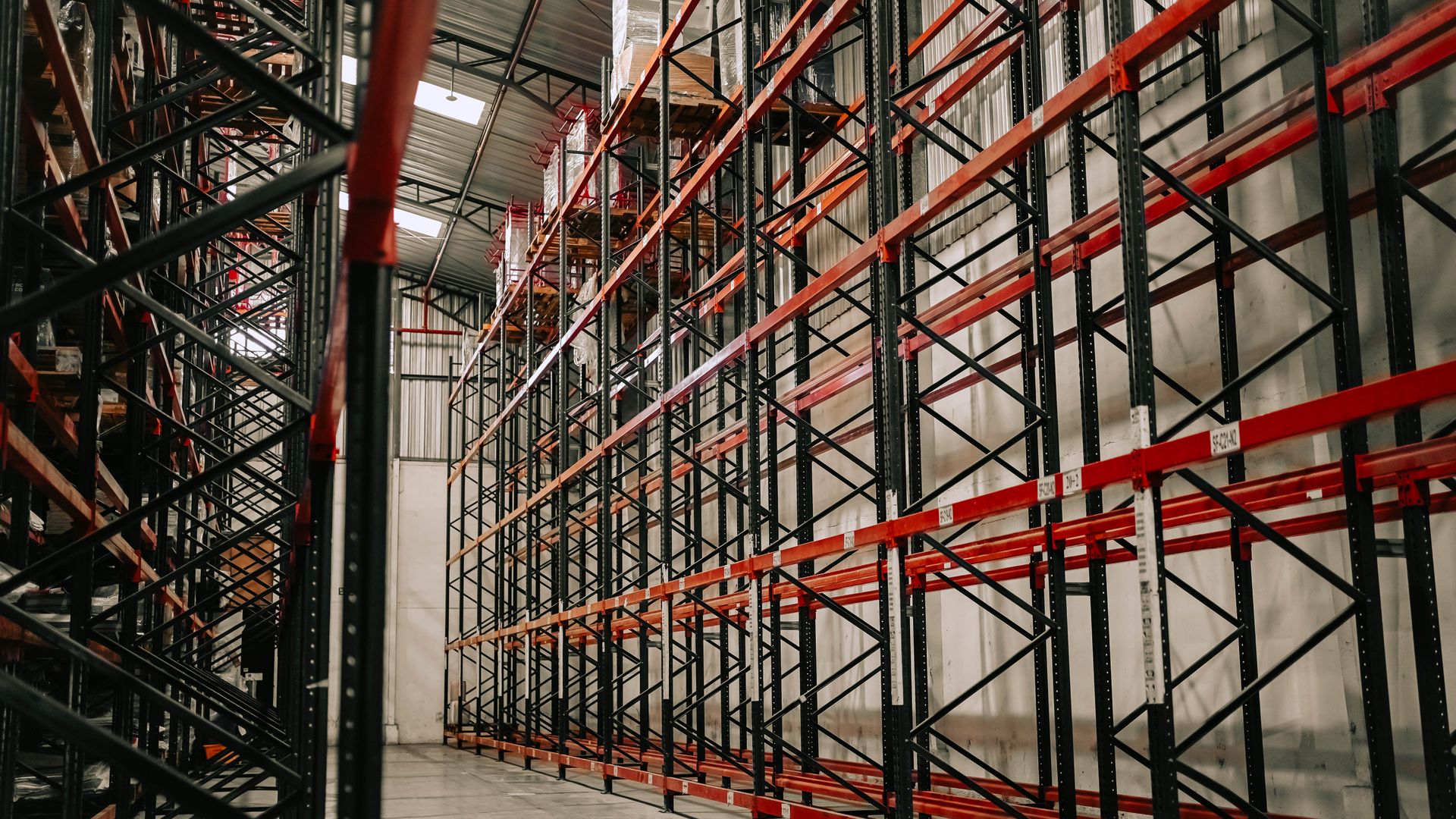
A factory floor cleaning plan should identify the material to remove, the surface to protect and the time when each zone is available. Choosing one machine from the building’s total area can overlook the tight space around a workstation, loose packaging near a loading door or a task that needs a separate collection process.
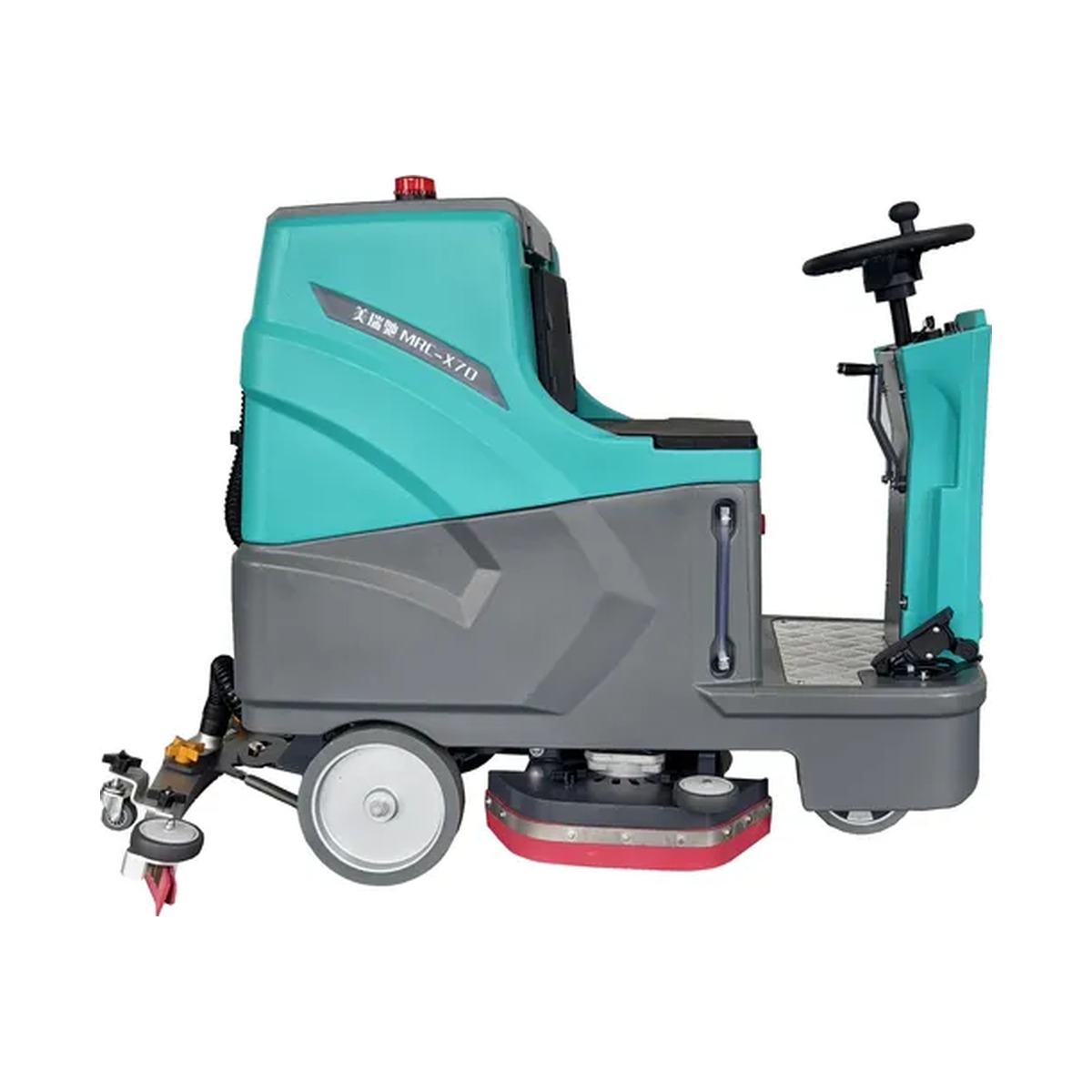
MRCH offers different starting points for those discussions: the X70 ride-on floor scrubber for a ride-on wet-cleaning proposal, the X50 walk-behind floor scrubber for an operator-guided proposal, the M10 walk-behind sweeper for suitable loose-debris routes, and the EAC36XC industrial vacuum for a separately assessed collection task. The plan below explains how to assign questions to these products before selecting a configuration.
Start with a working map, not a sales specification
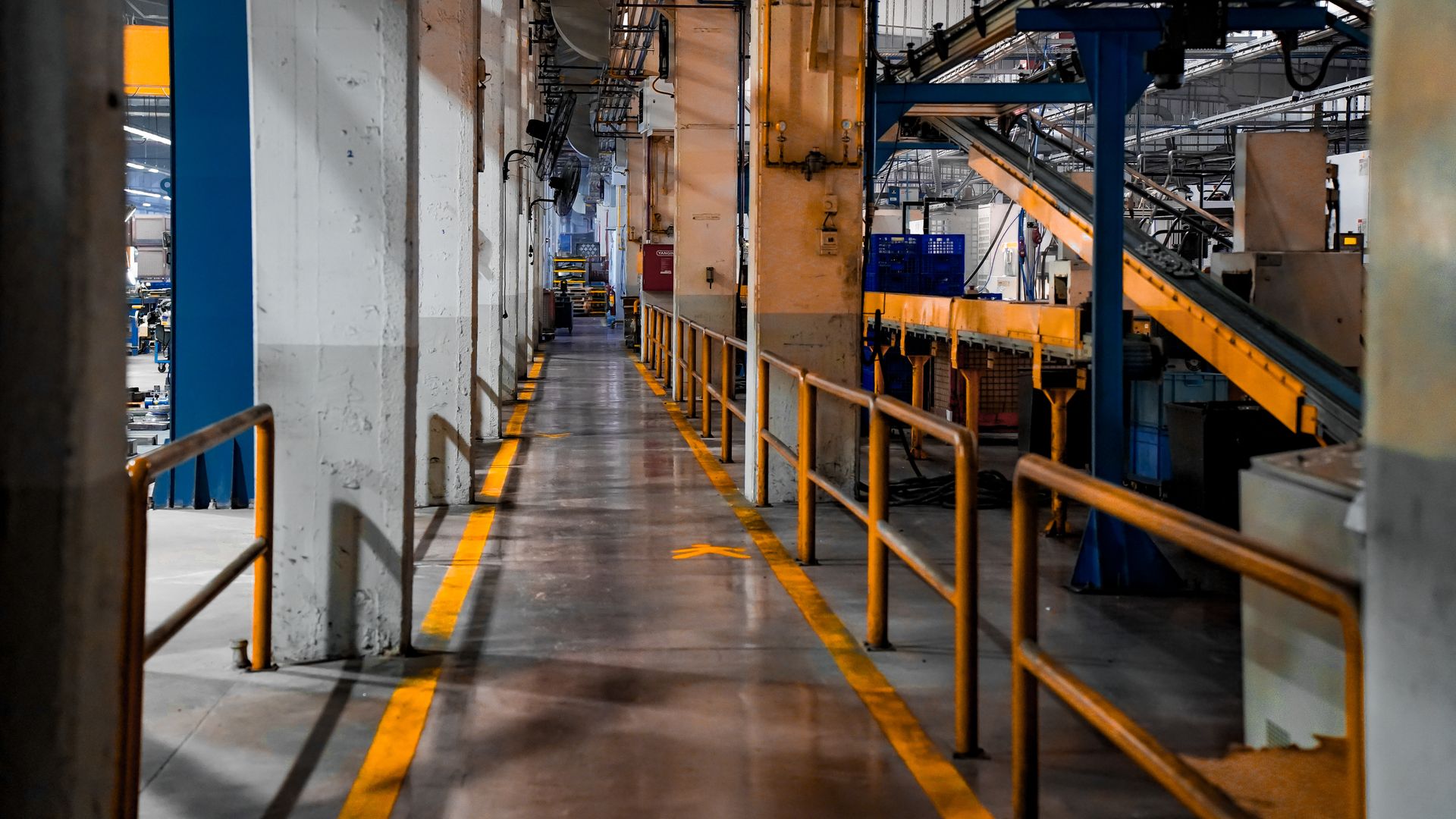
Mark production aisles, assembly zones, storage areas, loading entrances and maintenance workstations on a simple drawing. Add the normal movement of people, forklifts and goods. Walk the route while the factory is operating so that stored pallets, temporary barriers and shift changes appear in your observations.
For each zone, record the floor finish, visible condition, type of residue and planned cleaning window. Include the narrowest doorway and the route back to the machine’s storage location. A machine must be able to reach the work and return for care; fitting within the main aisle alone is not enough.
Give every zone a responsible person. That person should confirm when the area can be released for cleaning and who checks it before normal activity resumes. Clear responsibility matters particularly where the cleaning contractor, production team and maintenance team share the same space.
Match the cleaning method to each zone
| Factory task | MRCH product to discuss | Evidence needed before selection |
|---|---|---|
| Wet cleaning along open, continuous floor routes | X70 ride-on floor scrubber | Floor compatibility, complete access dimensions, route turns and servicing stops. |
| Wet cleaning around more interrupted routes | X50 walk-behind floor scrubber | Operator space, entry widths, tool compatibility and recovery arrangement. |
| Collection of suitable loose debris on accessible floor routes | M10 walk-behind floor sweeper | Material type, debris quantity, surface and supplied collection configuration. |
| Collection at individual work points | EAC36XC industrial vacuum | Material assessment, electrical supply, hose reach and filtration suitability. |
This is a review matrix, not a claim that each machine suits every factory. In particular, metal chips, process liquids and fine or hazardous dust require specific assessment. Do not send them through a standard floor-cleaning process simply because they occur inside the building.
Tennant’s industrial floor cleaning overview likewise treats a manufacturing site as a collection of different spaces. Use that broad planning principle while specifying MRCH equipment from its own product information. Competitor automation, filtration and service features should not be assumed to be included.
Separate source control from routine floor cleaning
Record where recurring debris originates. A damaged pallet, overflowing collection point or process leak may need action by the responsible factory team. Repeatedly cleaning the resulting trail can consume the working window without correcting the cause.
Keep process extraction separate from housekeeping. If dust must be captured directly at a machine, describe that requirement as an extraction project. A mobile industrial vacuum selected for occasional collection should not automatically be assigned to a continuous process connection.
Kärcher’s production-facility cleaning guidance distinguishes routine process-related dirt from unplanned contamination. For an MRCH cleaning plan, turn that distinction into two records: the scheduled floor route and the site’s separate response to incidents. Do not treat an unidentified spill as an ordinary scrubbing task.
Agree on a floor test before committing to a process
Identify whether the surface is coated, polished, textured or otherwise finished. Obtain its care instructions where possible. Photograph worn coatings, repairs and joints. A mark that remains after cleaning may be damage rather than removable soil, so define the expected result before choosing a more aggressive tool.
For an X50 or X70 proposal, ask which brush or pad and cleaning product are being evaluated. Use an agreed representative test area and the approved operating procedure. Record the surface, residue, setup, number of passes and appearance after the test. Include water pickup and the condition required before reopening the area.
Keep the test record with the quotation. If the final supplied tool or cleaning product differs from the tested arrangement, review that change. A successful test of one configuration should not silently become evidence for a different one.
Fit cleaning around the production schedule
List the available window for each zone instead of assigning a single whole-building time. Production aisles may become available between material movements while a workstation can only be released after its equipment is made safe. Confirm those arrangements with the people responsible for the work.
Include preparation, travel, waste or water handling, inspection and after-use machine care. Rated area output is only one part of a proposal. Use a timed route observation where practical, with realistic obstructions and the same operating assumptions for each machine being compared.
For example, suppose a factory has a 90-minute window and initially assigns all 90 minutes to scrubbing. If preparation, travel and after-use care together require an observed 25 minutes, only 65 minutes remain for the other work. Those figures illustrate scheduling arithmetic, not MRCH productivity or recommended allowances. Measure your own task before setting a target.
Make the supporting facilities part of the purchase
Identify where the machine will be stored, charged, filled, emptied and cleaned. Confirm the appropriate electrical arrangement and the approved wastewater or waste destination. Check whether the operator can reach those points without crossing an active production route or blocking an exit.
For an M10 proposal, include the route to the waste-emptying point and the kind of material to be collected. For an EAC36XC proposal, include available electrical supply and the required reach at each workstation. For X50 and X70 proposals, include water-handling arrangements and the full return route.
Ask for supporting documents and care requirements with the configuration quotation. A purchase decision is more useful when it includes the daily operating arrangement, not only a machine price and a nominal output figure.
Use a handover record that explains unfinished work
Record which zones were completed, which were inaccessible and what condition was observed. If a route was stopped by production activity, describe the interruption separately from a machine fault. If pickup or cleaning quality was unacceptable, identify the zone and preserve the observation for review.
A useful example entry is: “Main aisle completed; packing bay postponed because the scheduled area release did not occur. One damaged floor joint reported. X50 cleaned and returned to storage under its procedure.” This is an illustrative handover format, not an MRCH customer case.
Review repeated exceptions with the production team. A route that is continually blocked may need a schedule change. A recurring residue may need attention at its source. A persistent machine symptom belongs in the service process. Keeping those causes distinct helps the team choose an appropriate correction.
Prepare a factory equipment shortlist
Send MRCH the zone map, floor information, material descriptions, access measurements and available windows. State which tasks you want to review with the X70, X50, M10 or EAC36XC. Include destination country, quantity and the required documentation so that the response can identify a relevant configuration.
Ask the quotation to show each machine’s intended task and the supporting equipment included. Where a task remains outside the confirmed scope, leave it visible as an unresolved requirement. Do not hide it inside a general promise to clean the whole factory.
For more detail on route timing, read planning the cleaning window. For collection equipment, see the industrial vacuum selection guide. When the site brief is ready, request a factory cleaning-equipment review from MRCH.
Factory cleaning questions
Can one machine cover the whole factory?
Only after every intended task has been assessed. Wet cleaning, loose-debris routes and collection at individual workstations can require different equipment and supporting arrangements.
Should a larger floor always use the X70?
Compare its ride-on format against the actual open route, access and working window. A large building with interrupted working areas may justify a different arrangement or more than one machine format.
Can a scrubber collect production waste before washing?
Do not assume that function. Identify and remove unsuitable material through the approved process, then evaluate wet scrubbing for the remaining compatible floor-cleaning task.