
Outdoor Routes
Provide road width, route length, turning areas and the main debris types.
Discuss this priority →
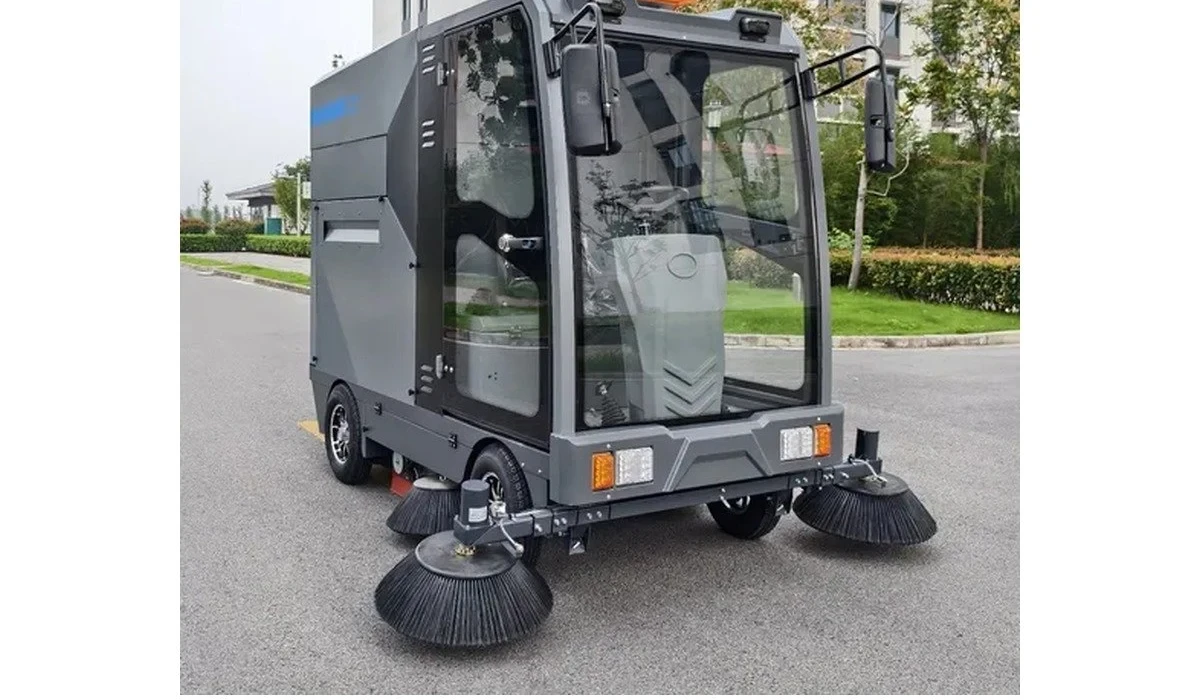
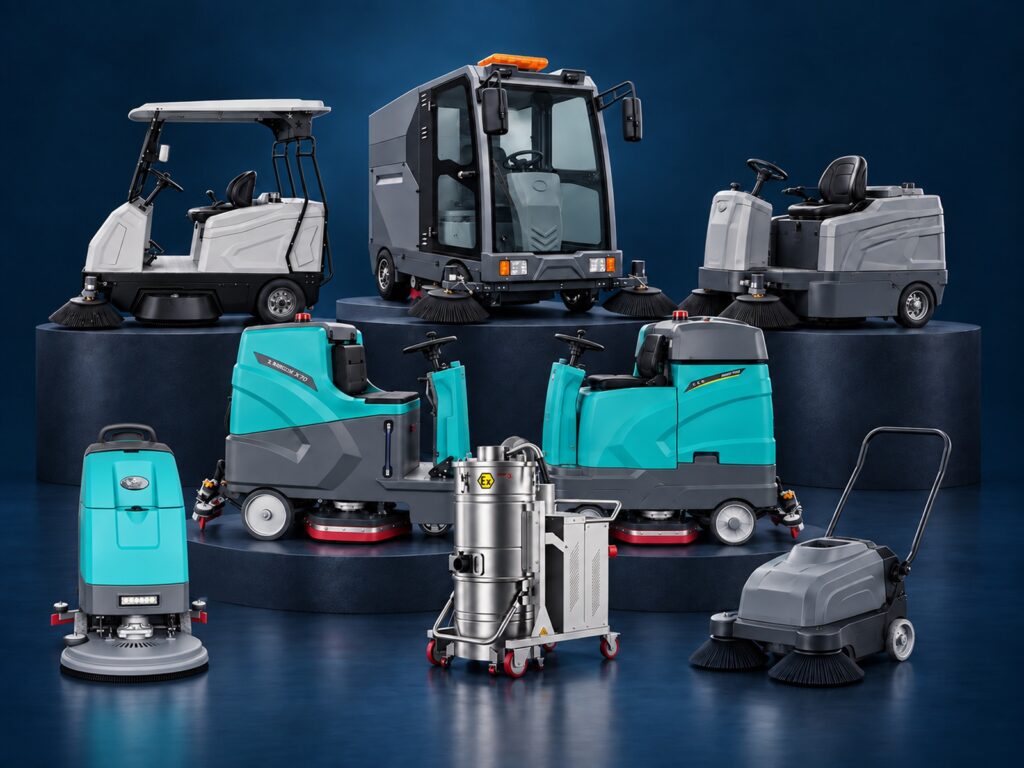
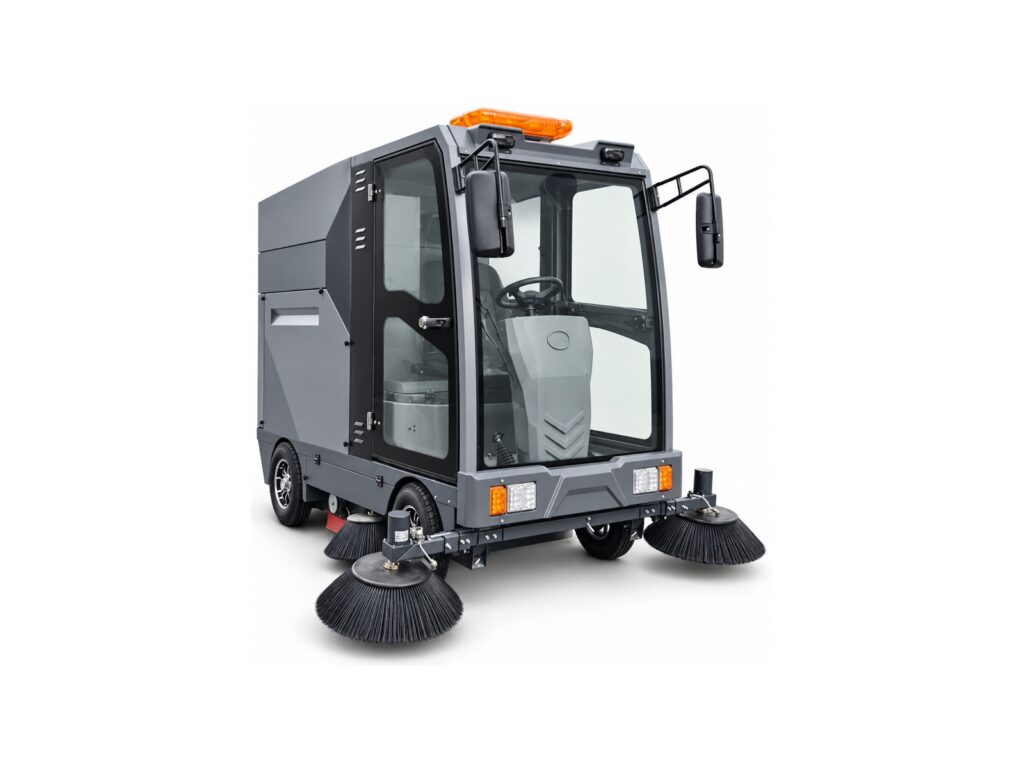
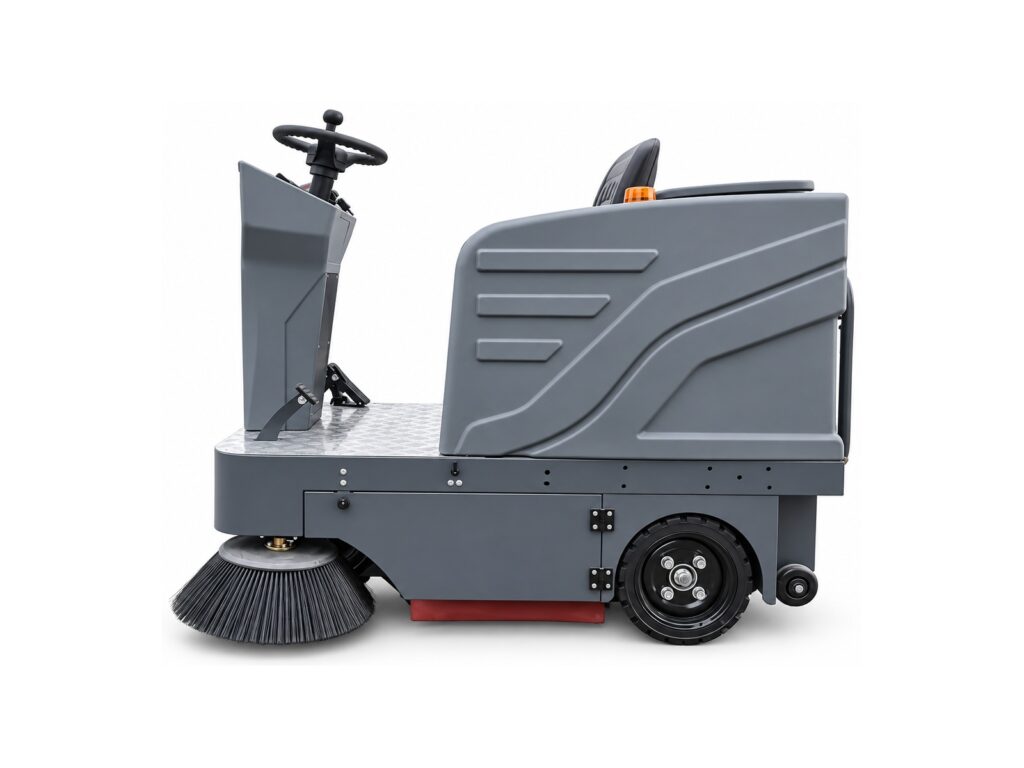
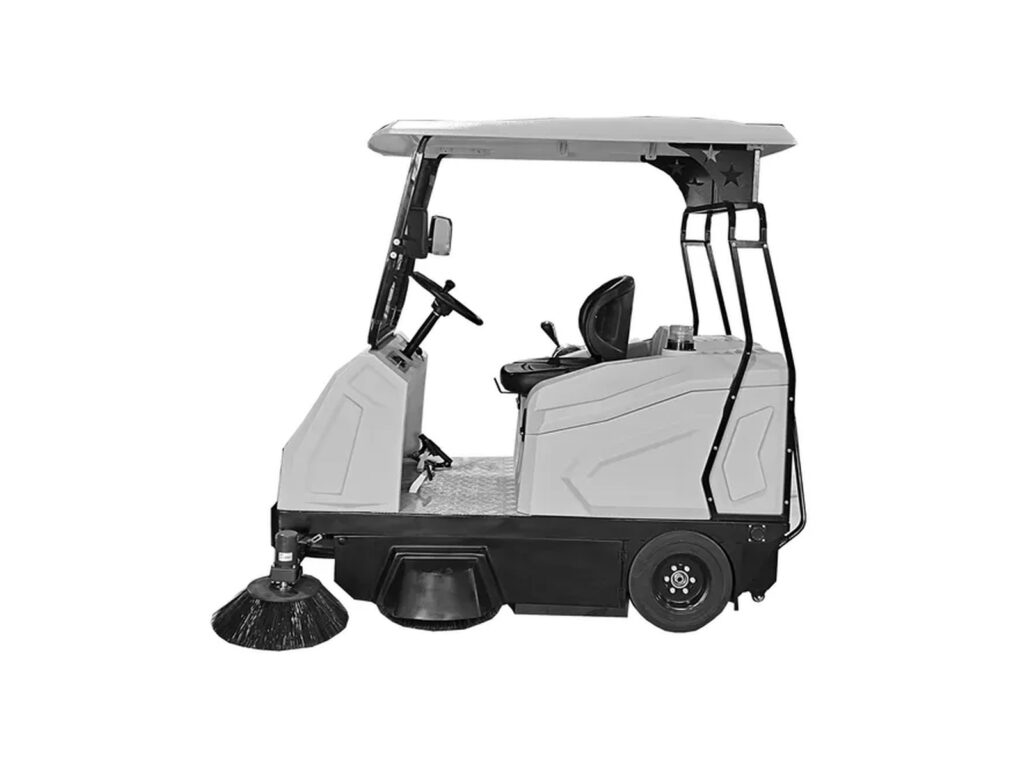
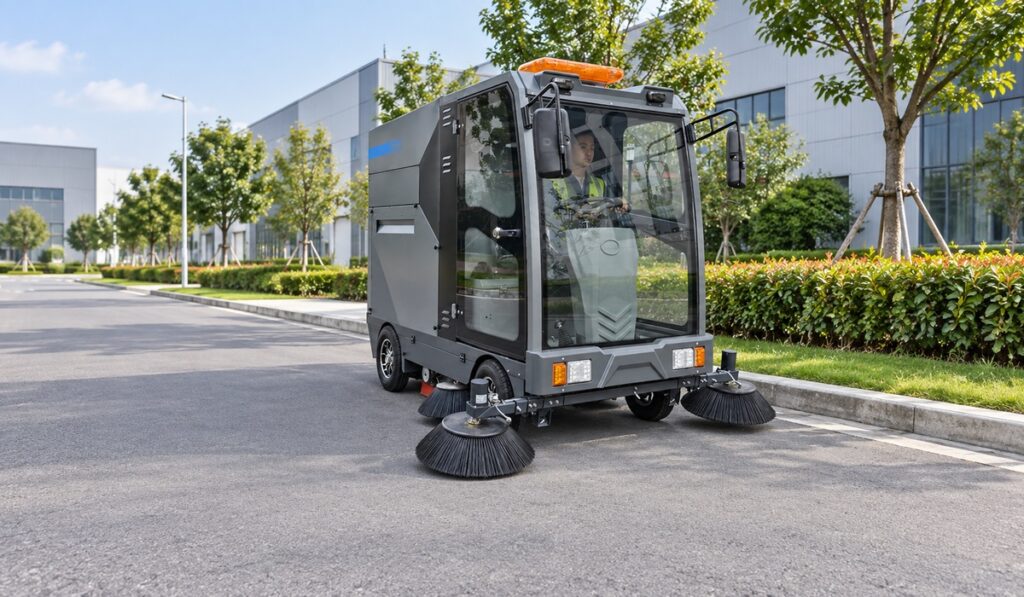
A road-sweeping brief should show where the machine works and how it moves between sections. Map paved lanes, turning points, curbs, gates and the location used for emptying or servicing.
Describe the material along each route: leaves, grit and other loose debris may create different collection and service needs. Confirm the actual brush arrangement, collection system and any documented dust-control equipment on the selected model.
For a municipal or industrial-park purchase, connect the equipment proposal with the destination and intended use. Ask for the relevant model documents and confirm project requirements before finalizing the order.
Provide road width, route length, turning areas and the main debris types.
Discuss this priority →Review sweeping width, waste collection and dust-control details on the model page. Confirm the supplied configuration.
Discuss this priority →State the destination market and procurement standards. Confirm any public-road use requirements and document scope before ordering.
Discuss this priority →Locate collection emptying, charging and any water supply required by the proposed configuration. Include travel to those points in the daily work plan.
Discuss this priority →
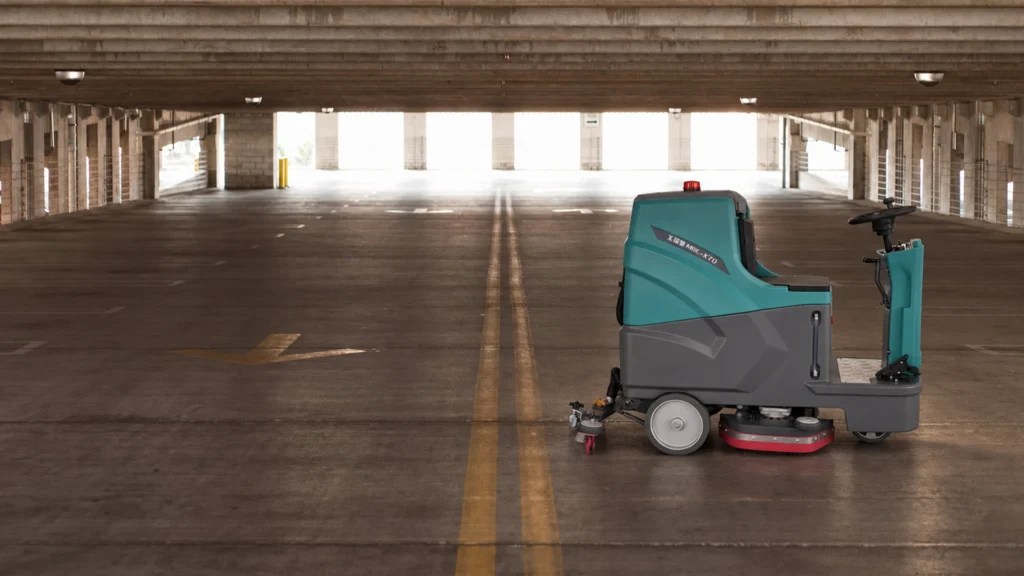
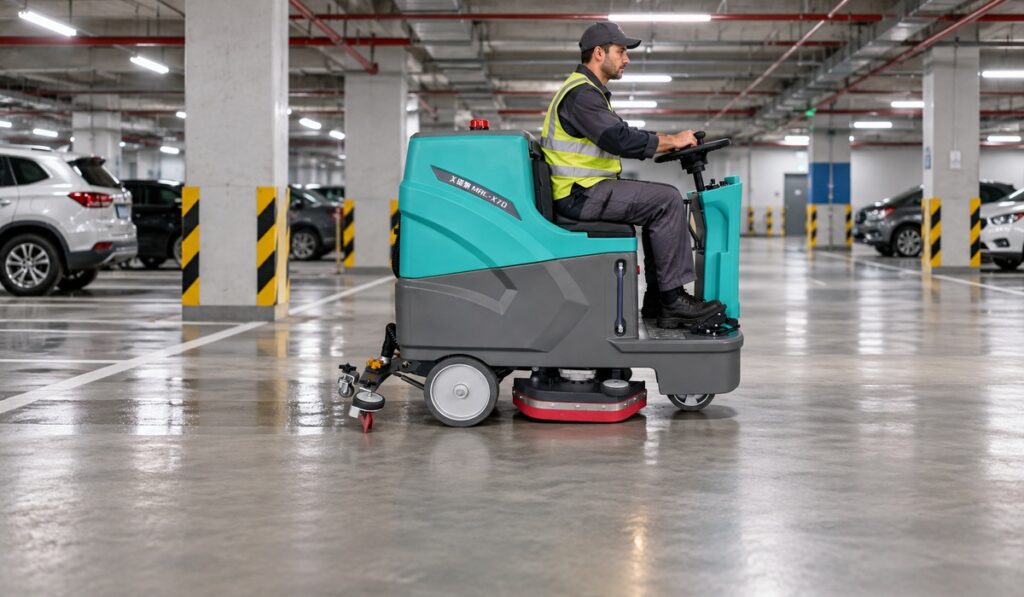
Plan covered garage floors and outdoor parking areas as distinct routes. Compare MRCH scrubbers and sweepers around clearances, ramps, turning space, floor finish and the debris your property collects.
Discuss this application ↗
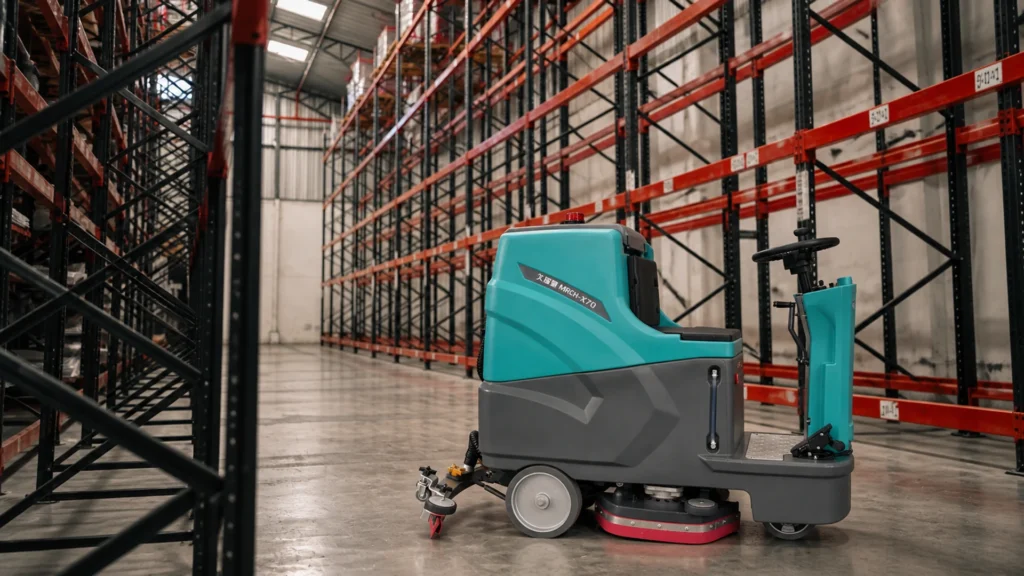
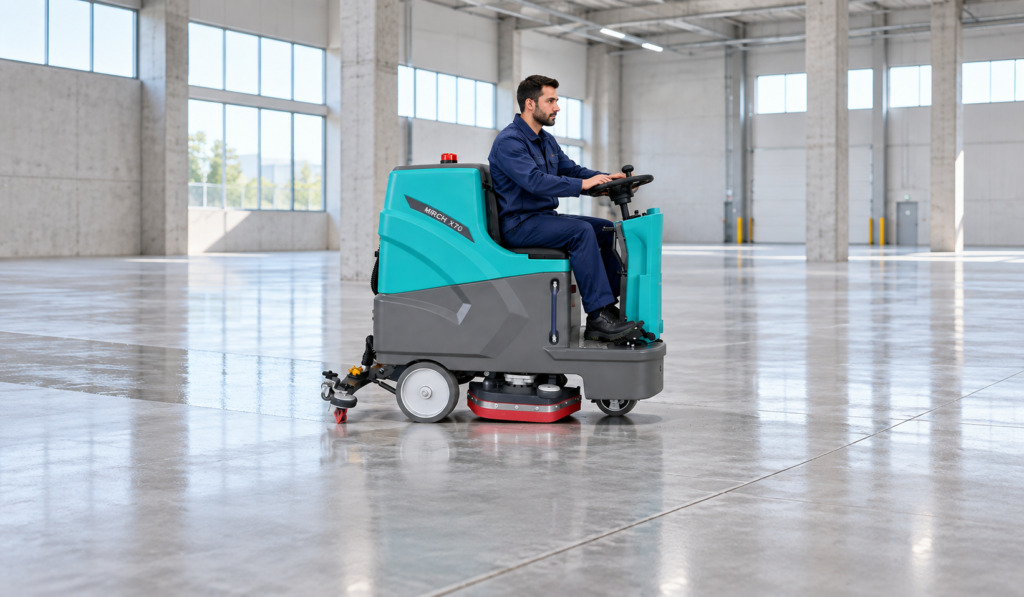
Plan cleaner warehouse aisles, loading zones and dispatch floors. Compare MRCH scrubbers, sweepers and industrial vacuums around your floor finish, packaging debris, forklift routes and available cleaning time.
Discuss this application ↗
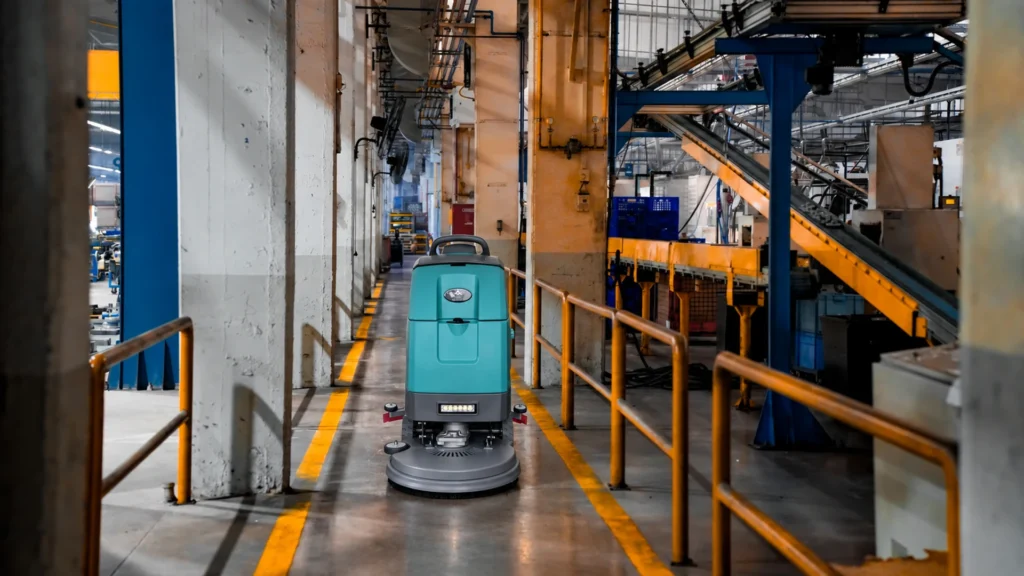
Match cleaning equipment to production aisles, workstations and workshop floors. Compare MRCH machines by the material to collect, floor compatibility, available access and the way your production shift operates.
Discuss this application ↗Provide paved-route photographs, distances, debris and access restrictions.
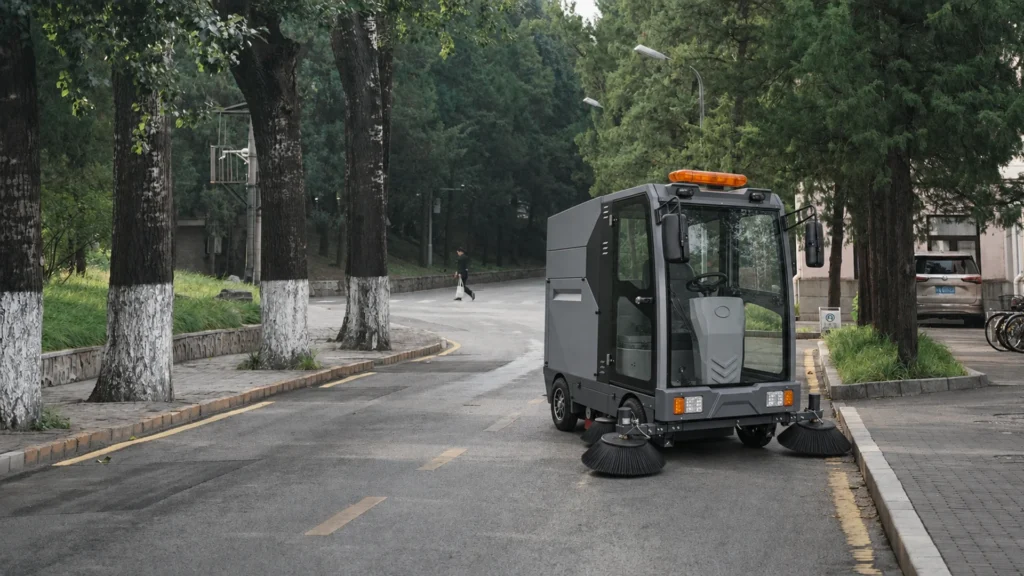
Review dimensions, power supply, collection capacity and model specifications.
Agree the configuration, quantities, documentation and delivery destination in the quotation.
Agree the exact model, included tools, consumables, quantity, required documents, packing and delivery destination.
Compare machine dimensions and turning needs with gates, paved lanes, curb sections and service access. Record gradients for a documented model check.
Review brushes, collection capacity and emptying arrangements. Ask which dust-control components are actually included.
Compare the proposed power configuration with route duration and charging opportunities. Include travel, turning and emptying stops.
State the delivery country and intended use. Confirm the documents and any road-use requirements for the exact supplied machine.

Compare the cleanin…
View article →

Begin with paved route length, lane and gate widths, turns, debris and service points. Compare the specific machine configuration against those requirements before selecting by nominal sweeping width.
No universal configuration should be assumed. Review the equipment listed for the individual model and quotation. Ask which brush, collection, filter or spray components are included.
No. Sweeping width describes the working path in a stated configuration. Vehicle dimensions and attachment clearance must be checked separately for gates, parking and transport.
This requires confirmation for the exact model, destination and intended use. State the project requirements and request the relevant documents. A road-sweeper category name alone does not establish approval.
Estimate the debris loading and planned route, then include emptying, service travel and charging arrangements. Treat published figures as model data to review, not a guaranteed complete-shift result.
Provide route photos and length, debris, gates and turning dimensions, gradients, service locations, destination, machine quantity and required documents.
Share what you need and the right person from the team will respond with practical information.