
What Is on the Floor?
Describe dust, packaging debris, grit, liquid residue or tracked-in dirt. Remove oversized material separately and identify the collection method needed before selecting a cleaning head.
Discuss this priority →
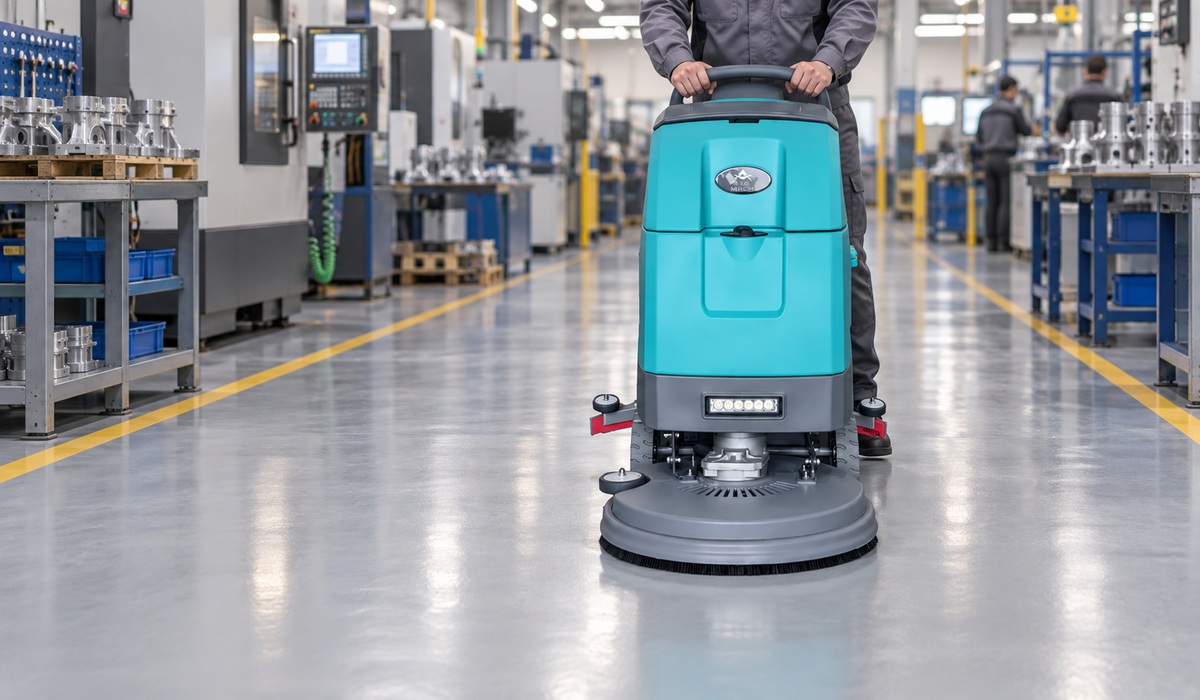
A warehouse aisle, a production workstation and an outdoor loading route create different cleaning jobs. Divide your facility into zones before choosing equipment: note the surface, the residue to collect, the access restrictions and the time available.
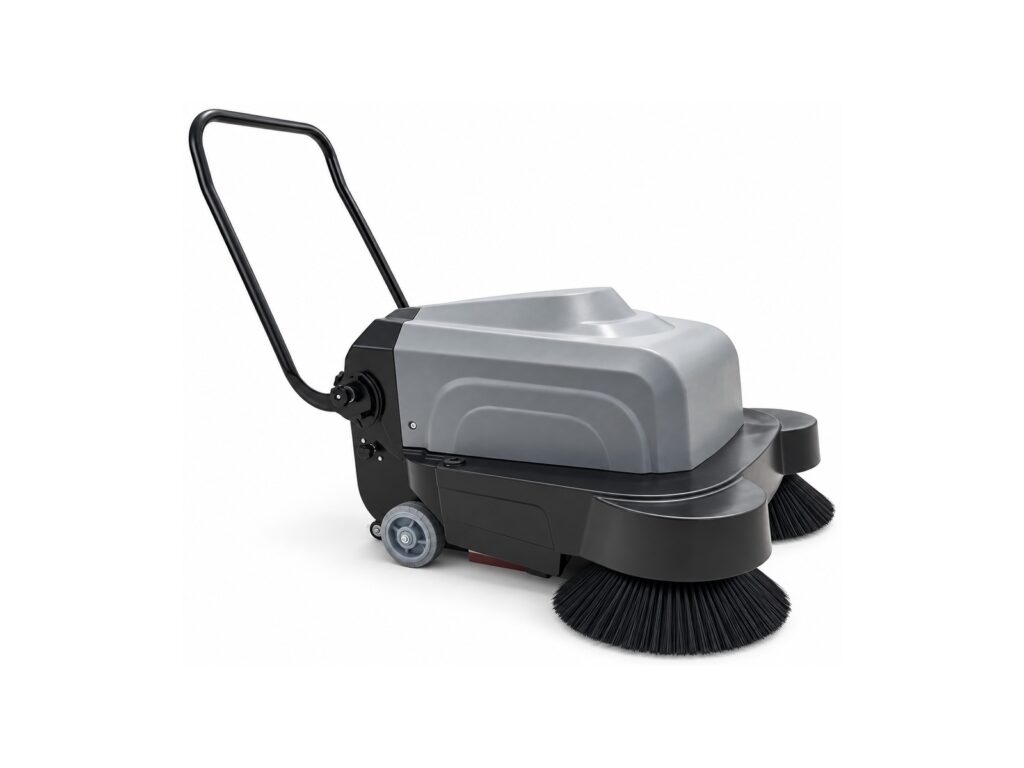
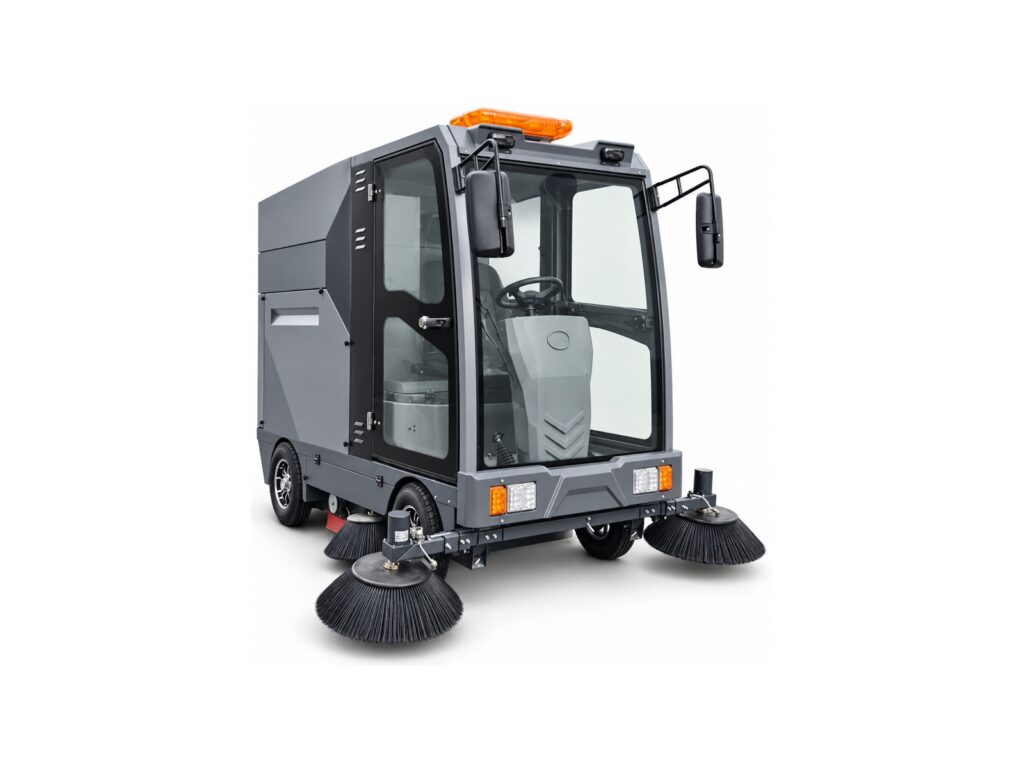
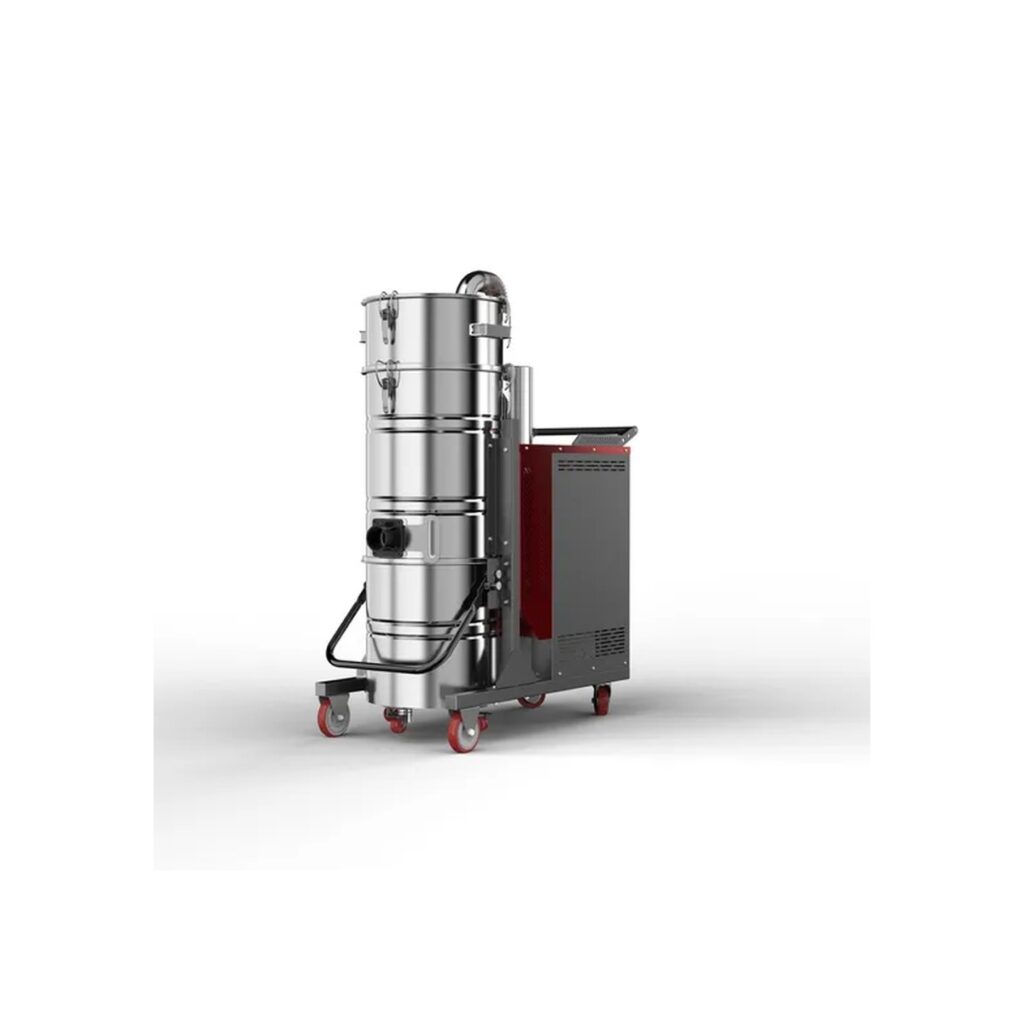
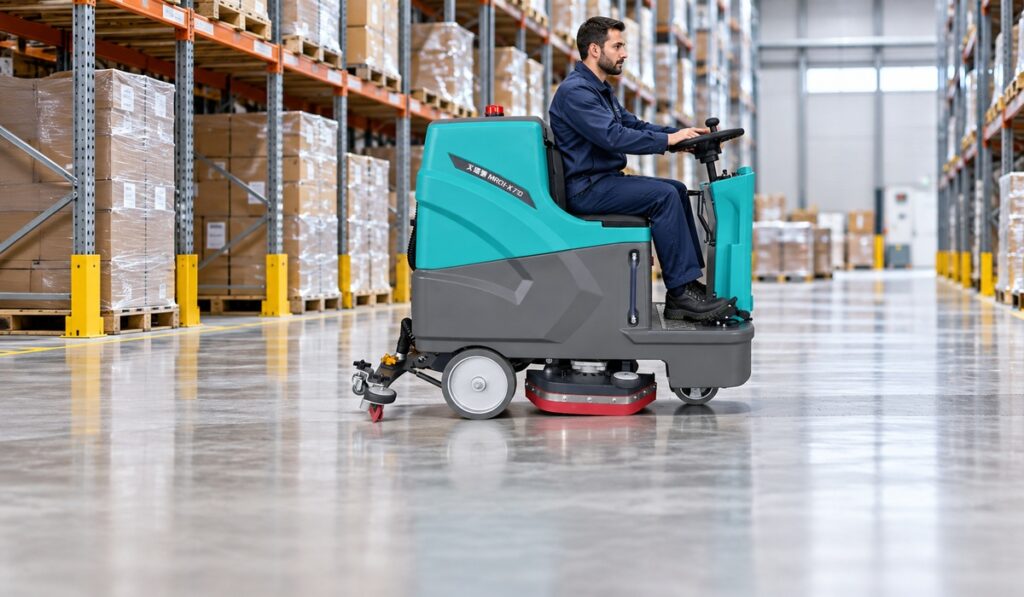
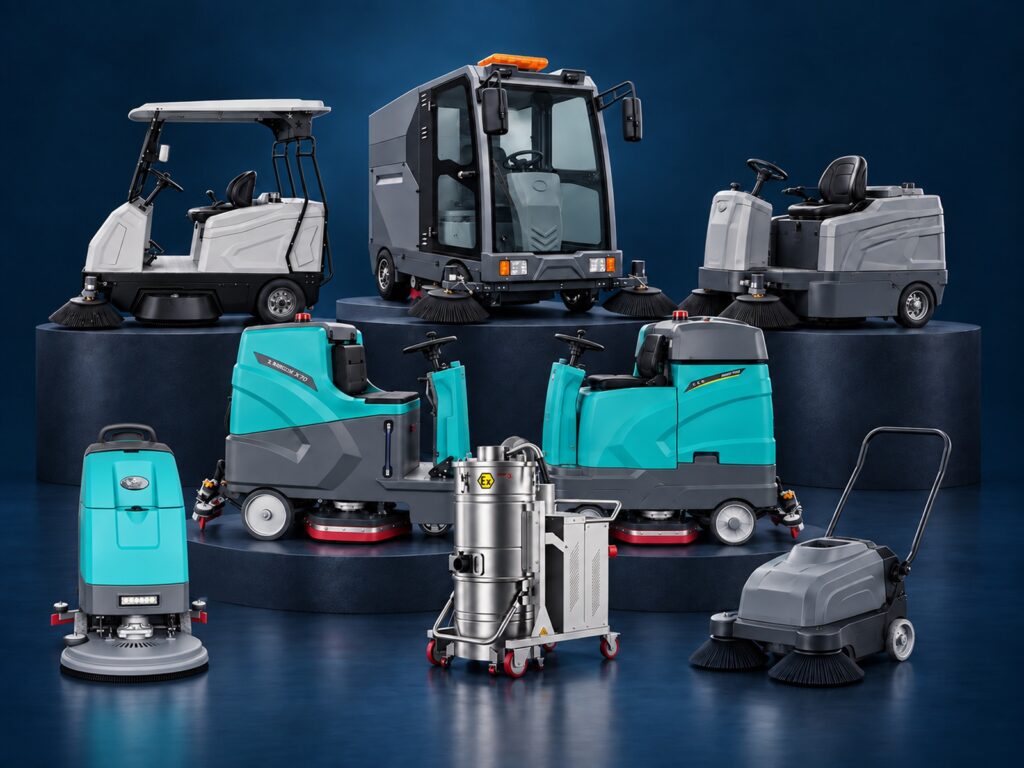
Use a floor sweeper for suitable loose debris, a scrubber dryer for compatible wet floor cleaning, and an industrial vacuum for material pickup at specific locations. Outdoor routes may call for a dedicated road sweeper.
The guides below help you prepare a shortlist. Confirm the exact model, accessories and operating limits against your site before placing an order.
Describe dust, packaging debris, grit, liquid residue or tracked-in dirt. Remove oversized material separately and identify the collection method needed before selecting a cleaning head.
Discuss this priority →Measure the narrowest doorway, aisle and turn. Include the full machine and rear squeegee, storage position, access height and any ramp on the route.
Discuss this priority →Record the available cleaning window and pedestrian or vehicle movements. Include setup, repeat passes, tank servicing and charging in the schedule.
Discuss this priority →List floor compatibility, power supply, included tools, consumables and destination documents. Ask for a quotation tied to the exact model and configuration.
Discuss this priority →
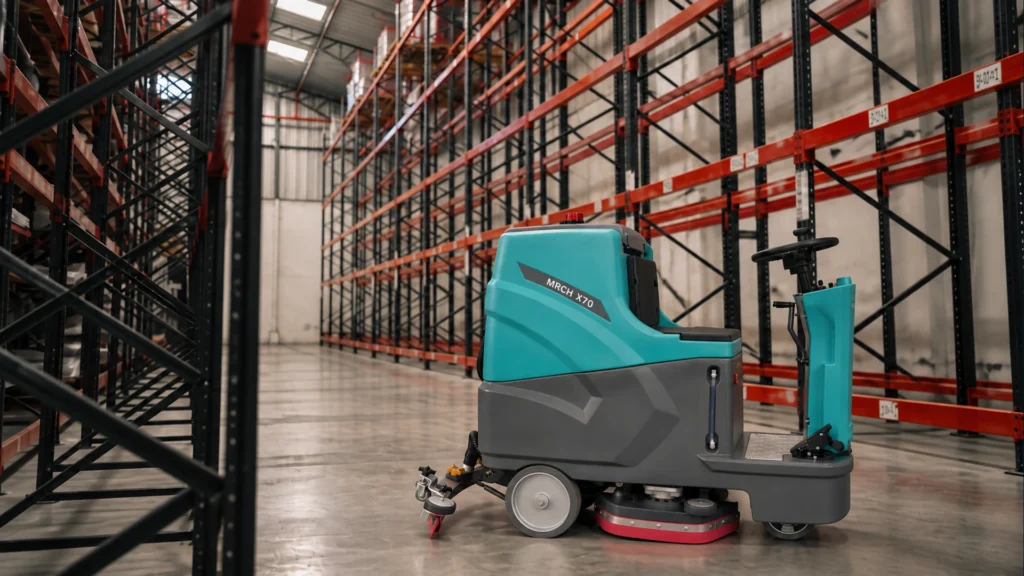
Plan around rack aisles, forklift routes and loading zones. Compare debris collection with routine floor scrubbing, and allow room for turning and servicing the machine.
Discuss this application ↗
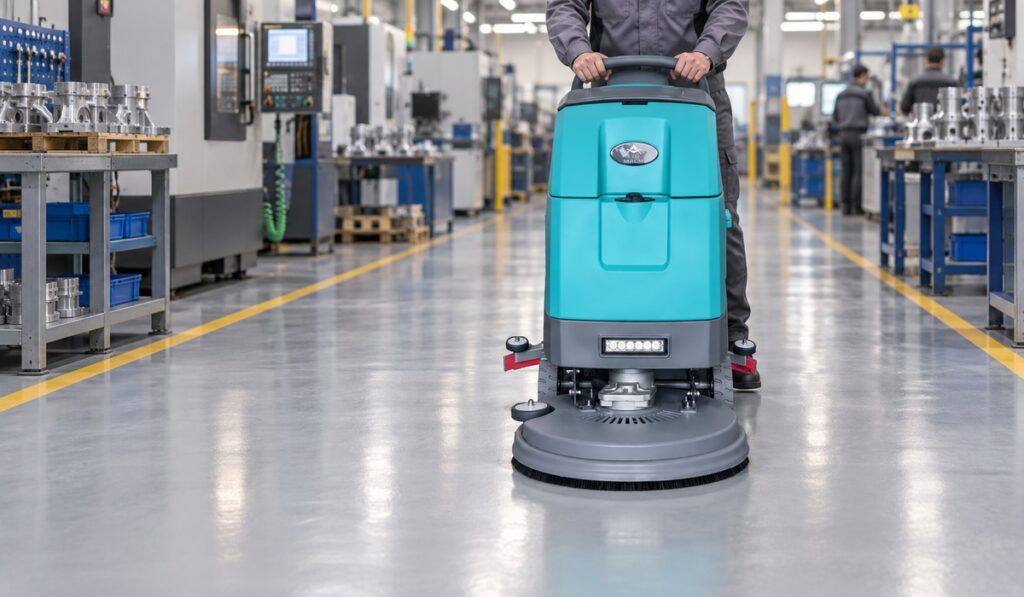
Match workshop cleaning to the floor finish, workstation layout and actual process residue. Compare scrubbers, sweepers and point-cleanup vacuum options separately.
Discuss this application ↗
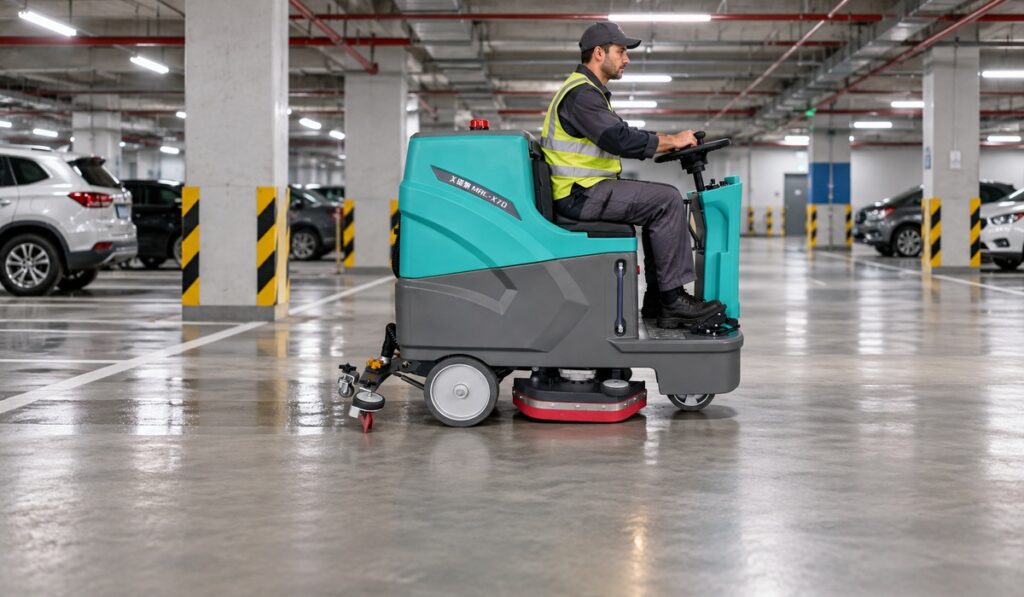
Treat indoor garage floors and outdoor parking areas as separate routes. Check clearance height, turns, surface condition and the selected machine’s ramp limits.
Discuss this application ↗
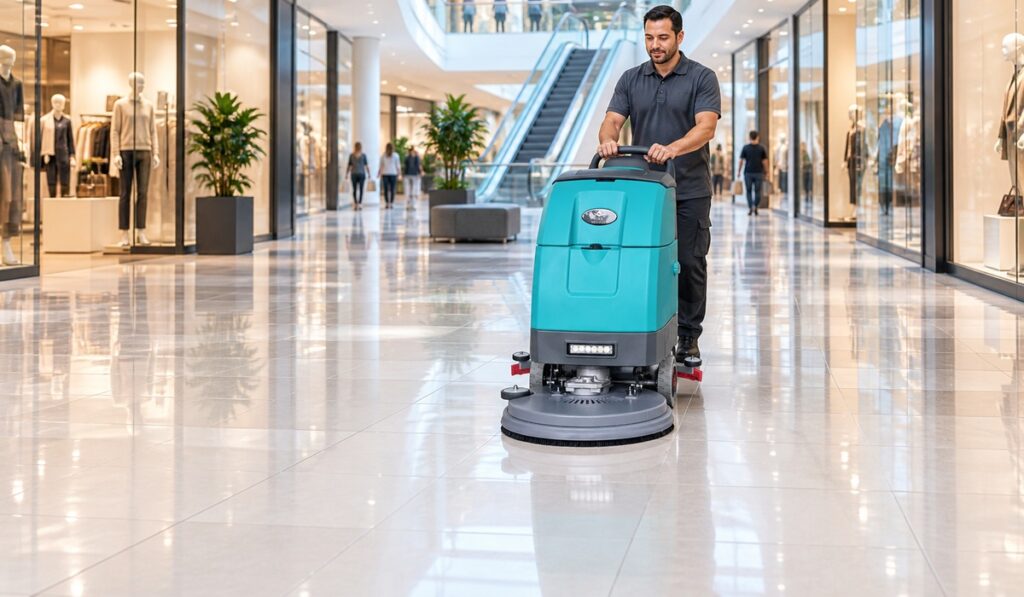
Compare walk-behind machines for aisles and displays, or ride-on options for open floors. Plan cleaning around store access, customer traffic and floor compatibility.
Discuss this application ↗
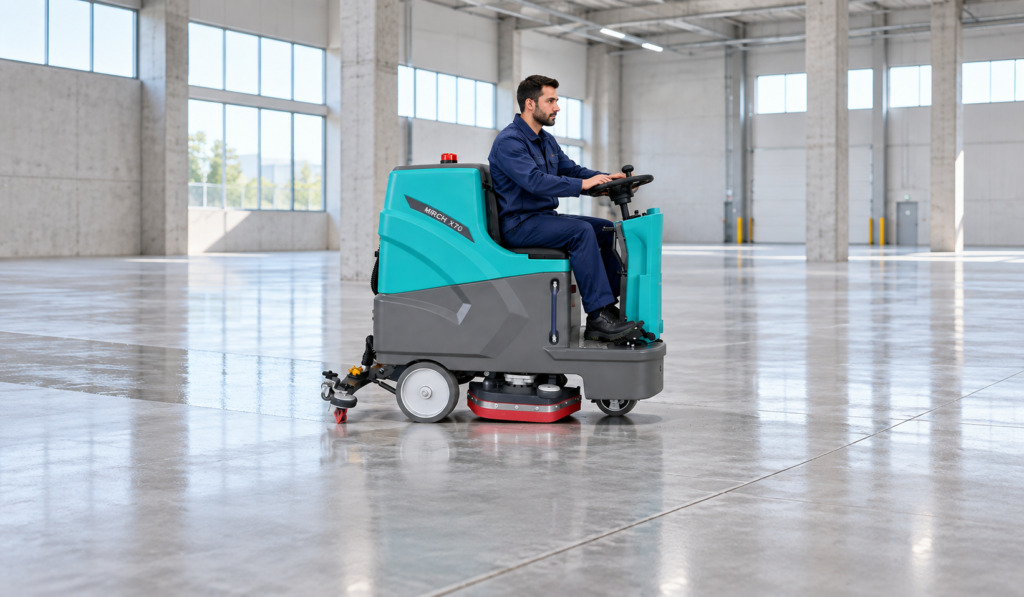
Identify whether concrete is sealed, polished, coated or unfinished. Assess loose dust and adhered residue separately, then check brush, pad and chemistry compatibility.
Discuss this application ↗
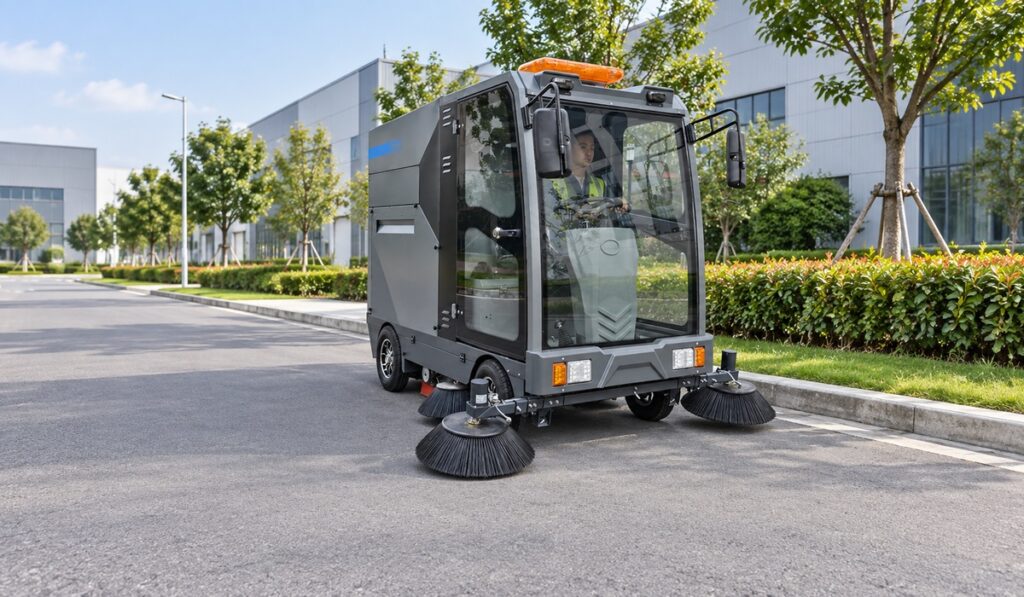
Define paved route length, turning areas, debris and waste unloading. Compare sweeping models and confirm the required configuration and destination documents.
Discuss this application ↗Send floor photos, usable area or route length, residue details, the narrowest access and your cleaning schedule.
Separate sweeping, wet scrubbing and vacuum pickup. Compare the appropriate operating format and published model specifications.
Review working tools, collection or tank capacity, power supply, machine dimensions, consumables and any requested changes.
Agree the exact model, included items, quantity, documentation, packing and delivery destination in the written proposal.
Identify the floor finish and existing coating. Confirm the proposed brush or pad, compatible cleaning chemistry and a suitable trial area.
Check the actual material, liquid handling or dust-collection requirement. Review squeegee, filter and container specifications for the selected machine.
Match charging or electrical arrangements to the machine. Compare full dimensions, access height, turning space and documented operating limits.
Request model-specific specifications and applicable documents. Confirm included brushes, pads, filters, squeegee parts and maintenance information.

Compare the cleanin…
View article →

Start with the facility and cleaning task. Record the surface, residue, access and schedule, then compare the relevant equipment family. A model shortlist becomes more useful once those requirements are clear.
A scrubber applies solution, agitates a compatible floor and recovers dirty liquid. A sweeper collects suitable loose debris over a route. An industrial vacuum collects material through a hose or tool, with suitability depending on its actual configuration.
Sometimes, but this depends on the model and route. Weather exposure, surface condition, gradients, debris and access may differ substantially. Check the documented limits and consider separate equipment where the jobs differ.
Compare ride-on equipment for longer open routes and walk-behind options for more restricted layouts. Area alone does not decide the choice: measure turns, doorways, storage access and the full width of the working attachments.
No. Actual work includes turns, obstacles, repeated passes and stops to refill, empty or charge. Use the published figure as a comparison point and validate the planned route and working time for your site.
Identify the finish and any coating first. Confirm that the cleaning tool and chemistry suit the floor, and trial the process in an appropriate area. A more aggressive pad or brush is not automatically a better option.
No. Identify the material and any special handling requirement before selecting a machine. Filter type, collection system and any required dust or explosion-protection classification must be confirmed for that exact model; do not infer them from the term industrial vacuum.
Send site photos, surface and residue details, area or route length, narrowest access, cleaning window, available power, preferred equipment type, quantity and delivery country. Include required accessories, branding and documents.
Share what you need and the right person from the team will respond with practical information.