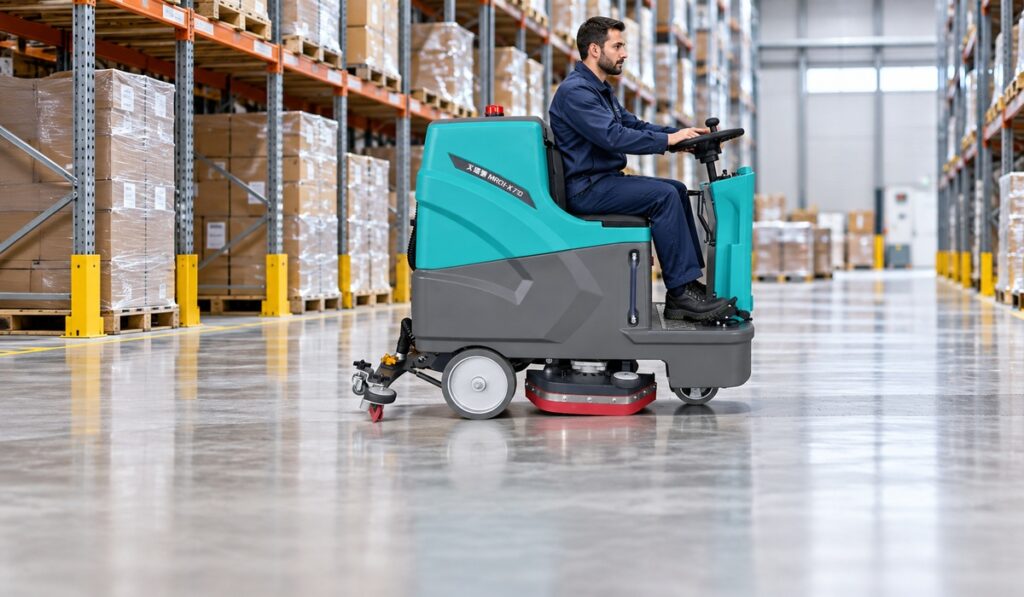

Machine Configuration
Identify the equipment type, floor or collection task and operating conditions. Describe requested changes without assuming they are standard.
Compare equipment
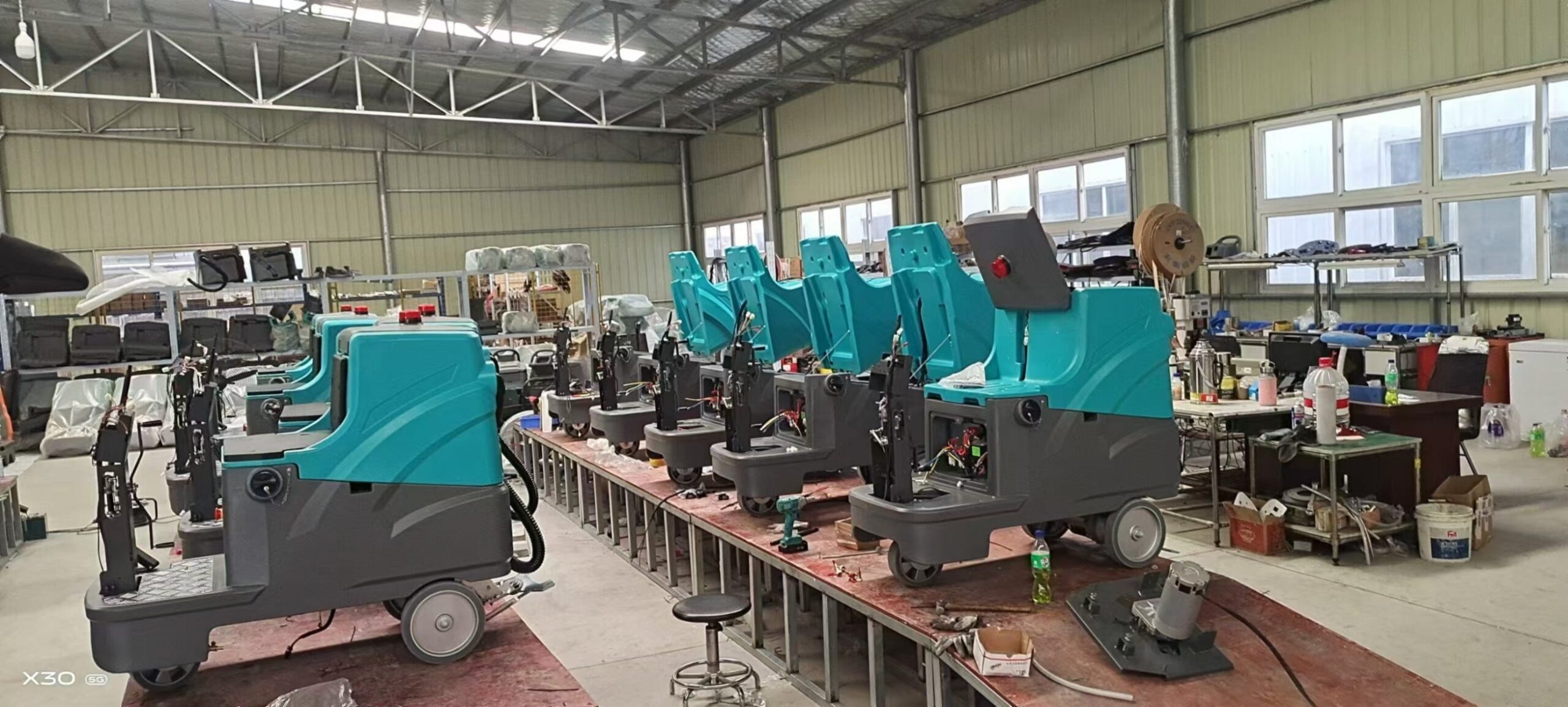
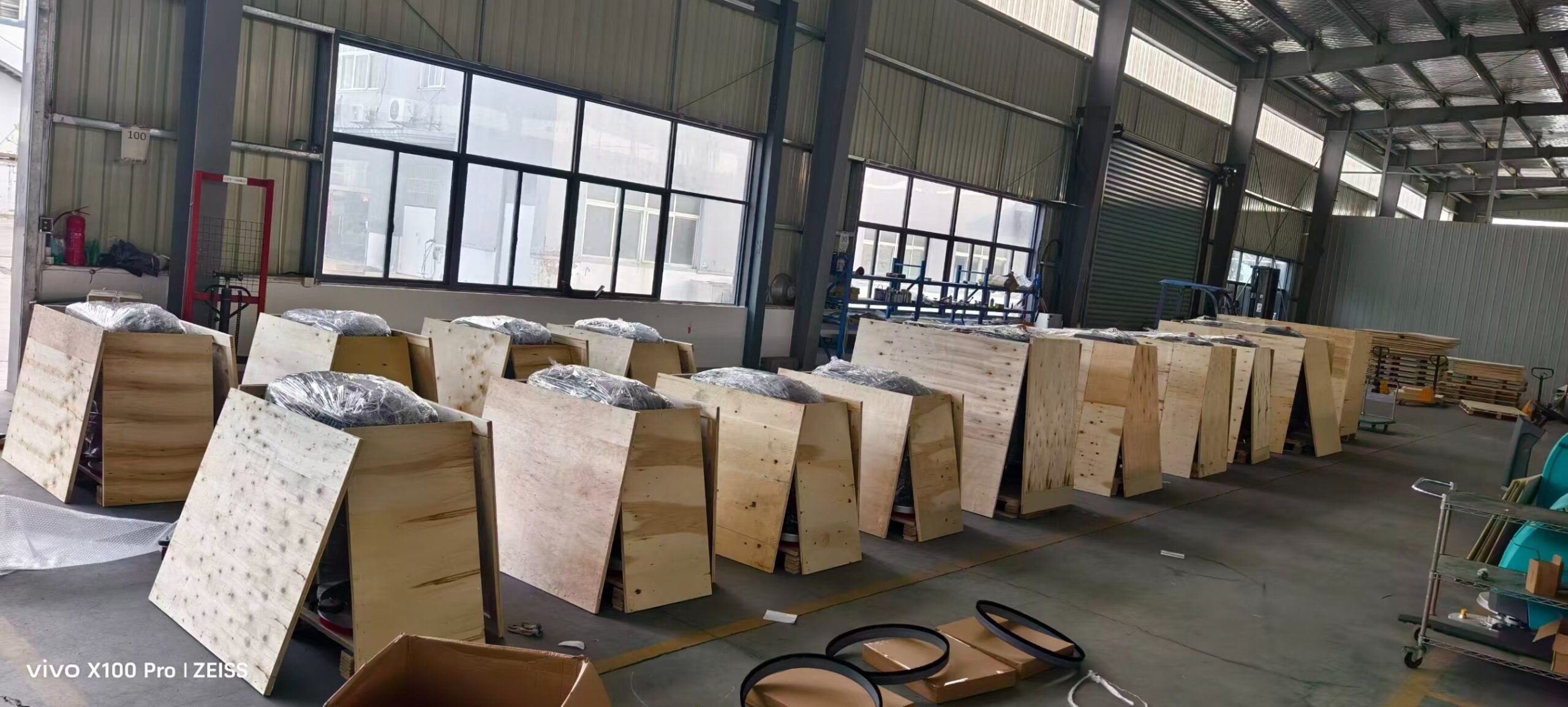
Begin with the machine type, cleaning task and target market. A useful OEM / ODM enquiry separates equipment configuration from branding, documentation and packaging requirements, so each part can be reviewed against the selected model.
Share the site conditions, requested changes, label artwork and expected quantity. Ask which requirements can be supported, which need further evaluation and what is included in the proposal. Record the agreed scope before confirming the order.
Compare the MRCH equipment range or review our manufacturing information as the starting point.
Identify the equipment type, floor or collection task and operating conditions. Describe requested changes without assuming they are standard.
Compare equipmentPrepare artwork, model naming and label-language requirements for review against the available branding scope.
Send a project briefList brushes, pads, filters, collection tools and other model-specific items needed with the order.
Discuss included itemsSpecify quantities, delivery destination, marking and documentation requirements for the quotation.
Review supply requirementsSend machine type, use conditions, quantity, destination and the requested changes.
Discuss the proposed equipment, branding and documentation scope with the team.
Agree configuration, included items, commercial terms and any approval requirements.
Confirm artwork where applicable, packaging, delivery details and handover information.
Check the selected model, dimensions, power and task-relevant parameters. Clarify inconsistencies before confirming the order.
Separate standard equipment, requested options and accessories. Use the quotation as the reference for the agreed supply.
Check document titles, scope and model coverage against the destination requirements. Do not assume one certificate covers every machine.
Request operating instructions and references for model-specific consumables, with the support arrangements for the supplied equipment.

Plan aisle, dispatch and storage-area cleaning around access and traffic.
Explore This Application →
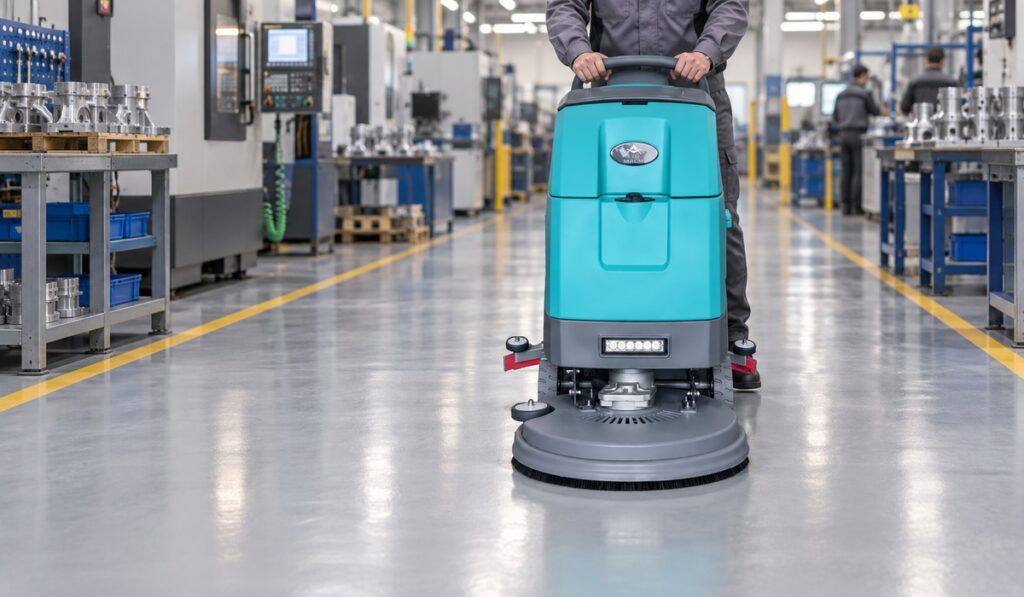
Match the equipment to the floor finish and the spaces between production areas.
Explore This Application →
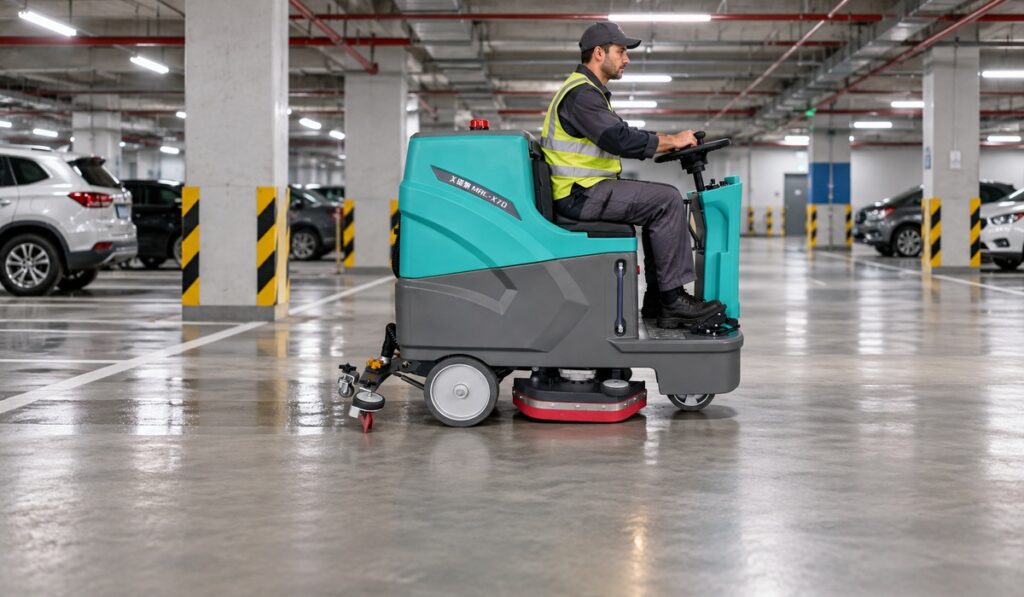
Review clearances, ramps and the separate needs of indoor and outdoor areas.
Explore This Application →
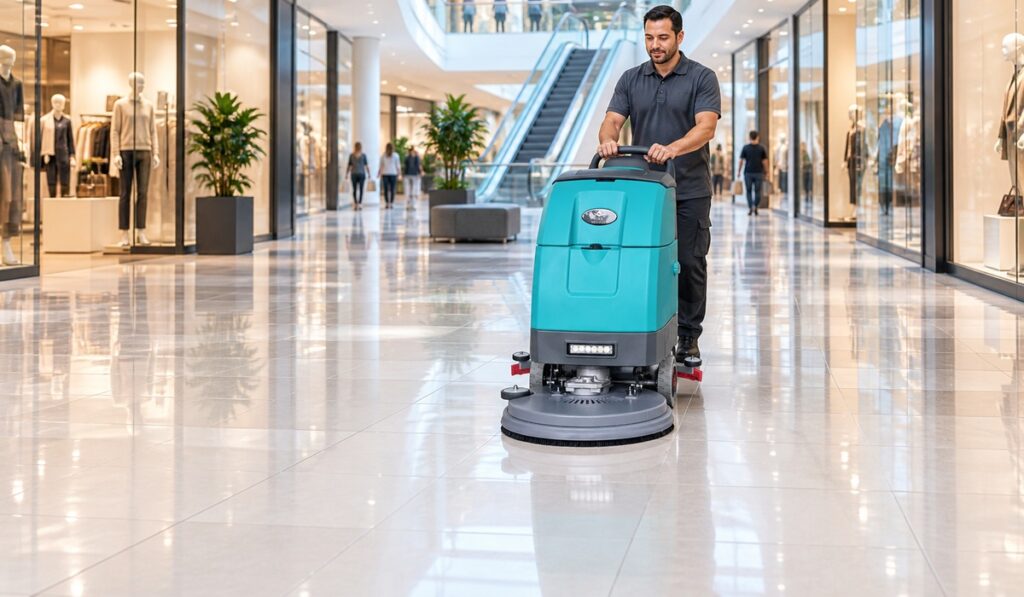
Plan cleaning routes around entrances, display areas and opening hours.
Explore This Application →
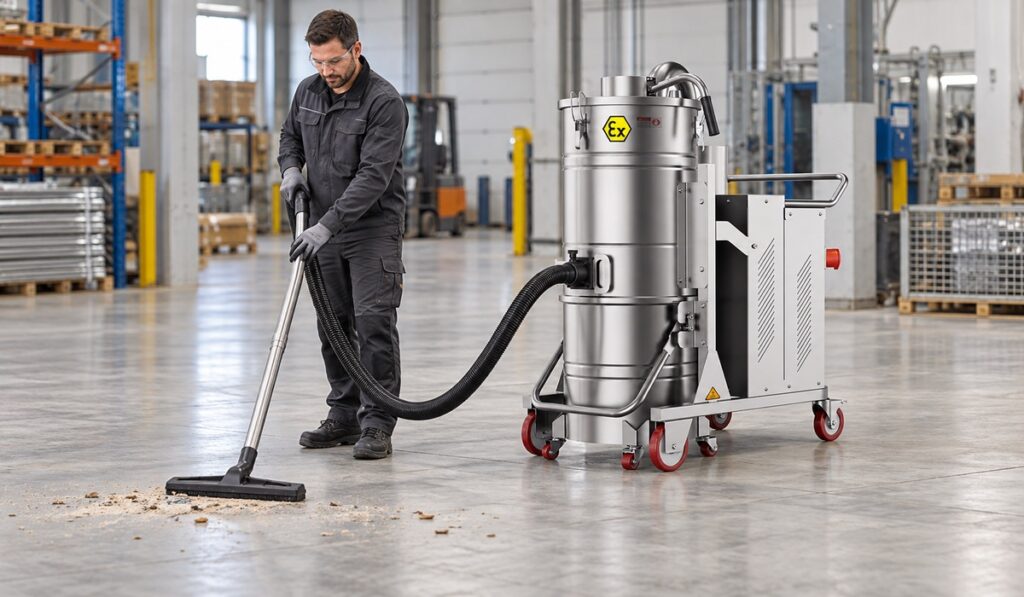
Assess floor condition, debris and the collection task before specifying equipment.
Explore This Application →
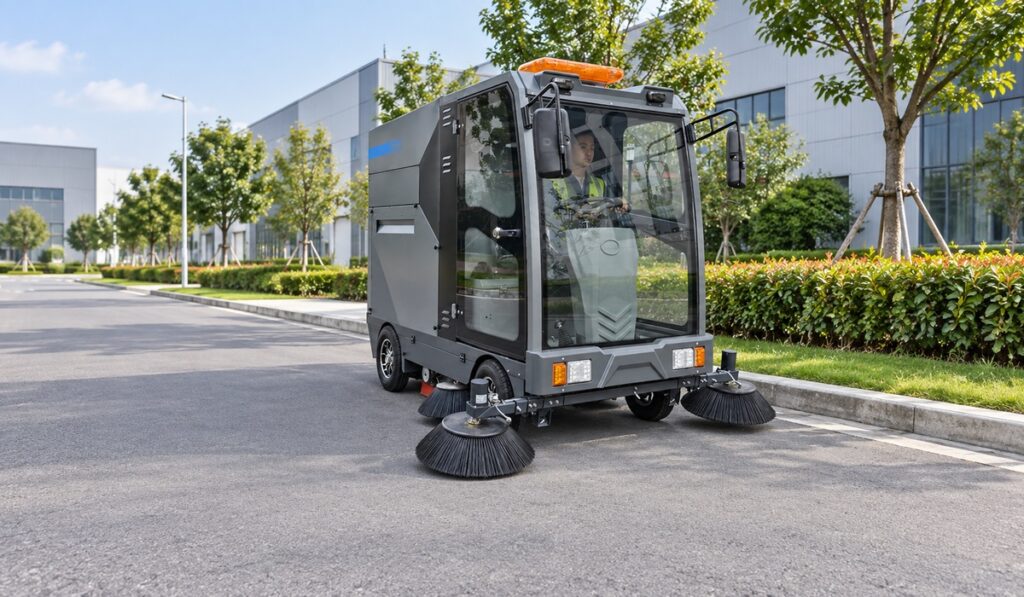
Review outdoor routes, road edges and the machine configuration for the job.
Explore This Application →
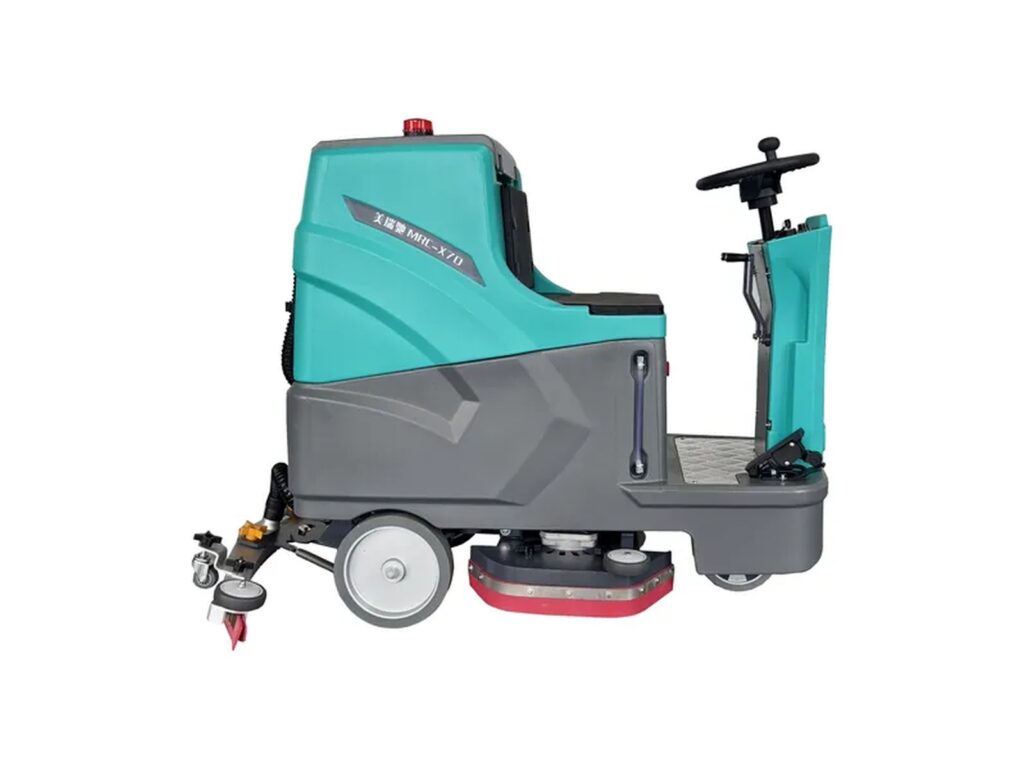
A seated scrubber format for comparing larger indoor cleaning routes.
View Model Details →
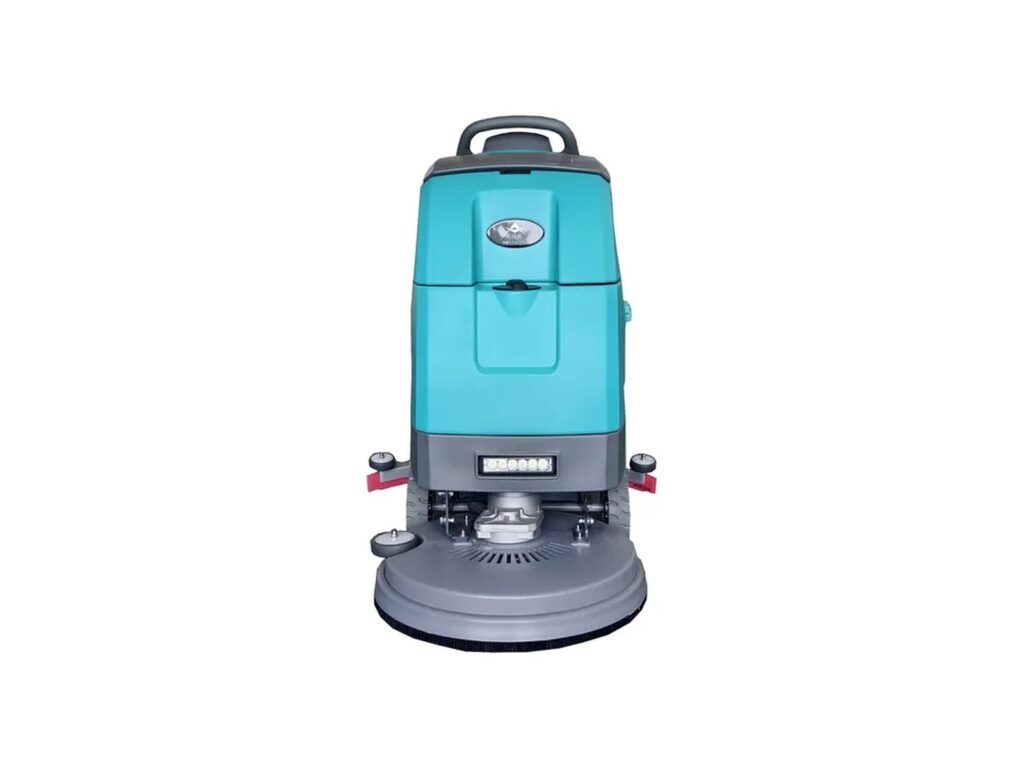
An operator-guided scrubber format for comparing aisle and room access.
View Model Details →
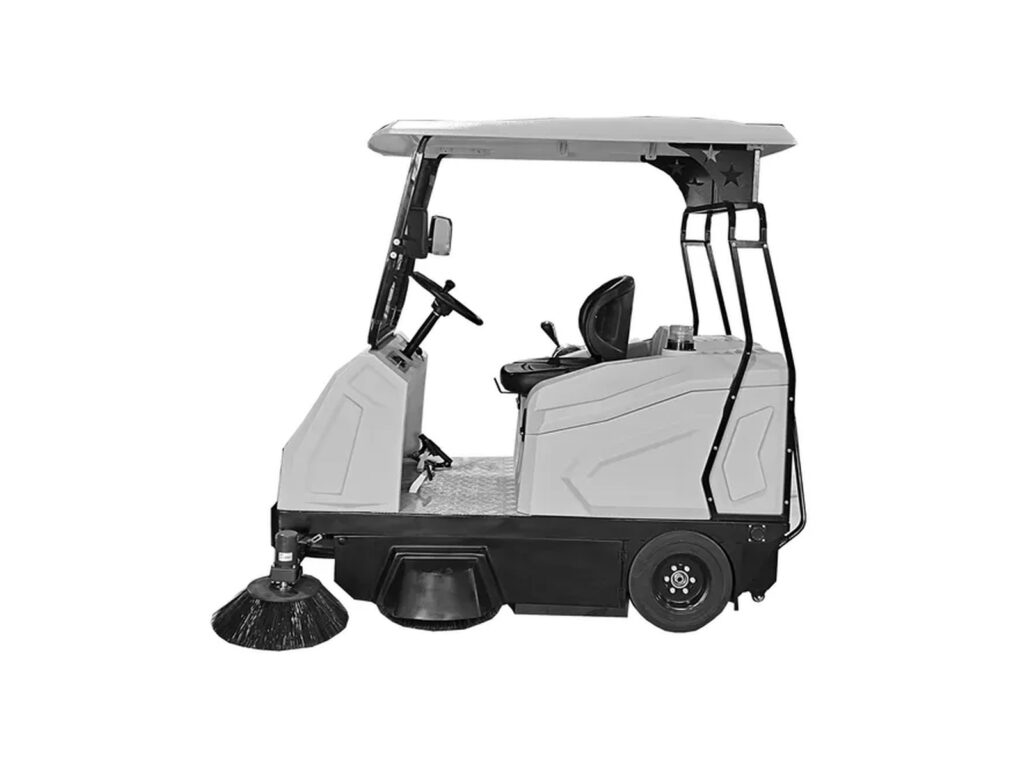
Compare sweeping width, collection capacity and operating requirements.
View Model Details →
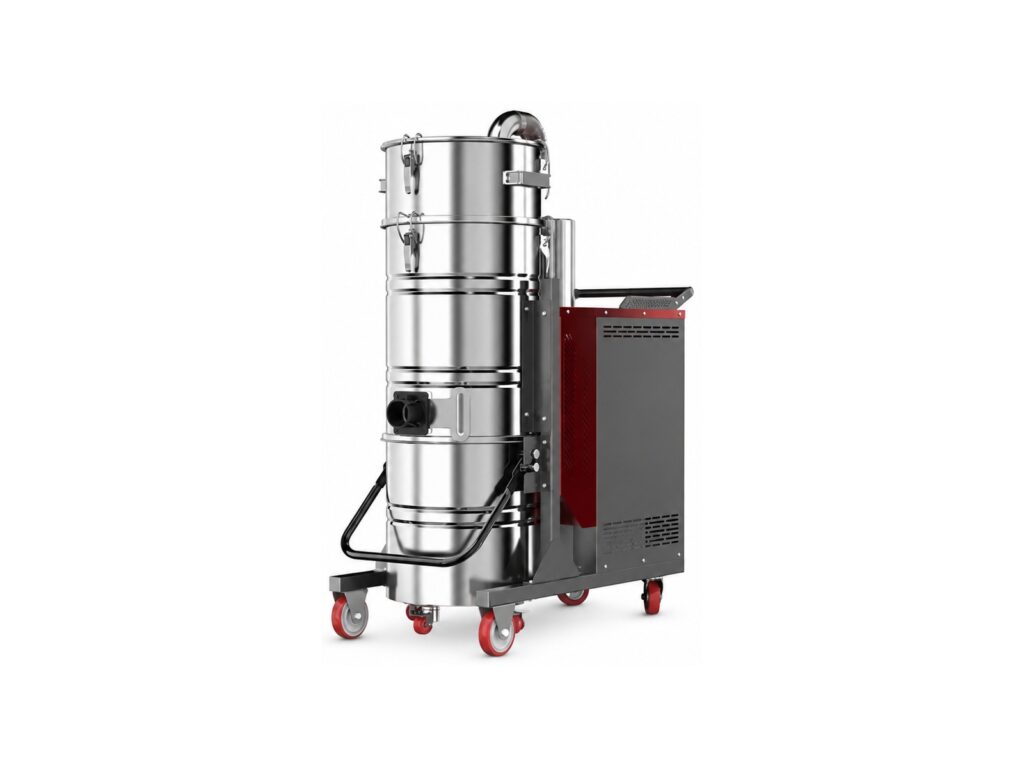
Review the collection configuration for local industrial cleaning tasks.
View Model Details →Send the selected machine type or model, target market, quantity, cleaning conditions and requested changes. Attach branding artwork and required documentation details where available.
No common scope should be assumed. Ask the team to review each requested change for the chosen model and record the supported configuration in the proposal.
Branding requirements can be discussed with MRCH. Provide artwork, placement and label-language requests for feasibility and quotation review.
Request terms for the exact model, configuration and order quantity. The final schedule and commercial terms are confirmed in the quotation.
List the brushes, pads, squeegees, filters or collection tools needed for the equipment type. Confirm which are supplied and which are optional.
Identify the destination and the documents your purchasing process requires. Confirm their availability and applicability to the exact supplied model.