
Production Routes
Identify the areas that can be accessed without disrupting production. Measure the space around fixed machinery.
Discuss this priority →
A factory can contain several different cleaning jobs: dust and small debris on transport routes, localized material around a workstation, or adhered residue on a compatible floor. Describe each job separately instead of treating the whole building as one surface.
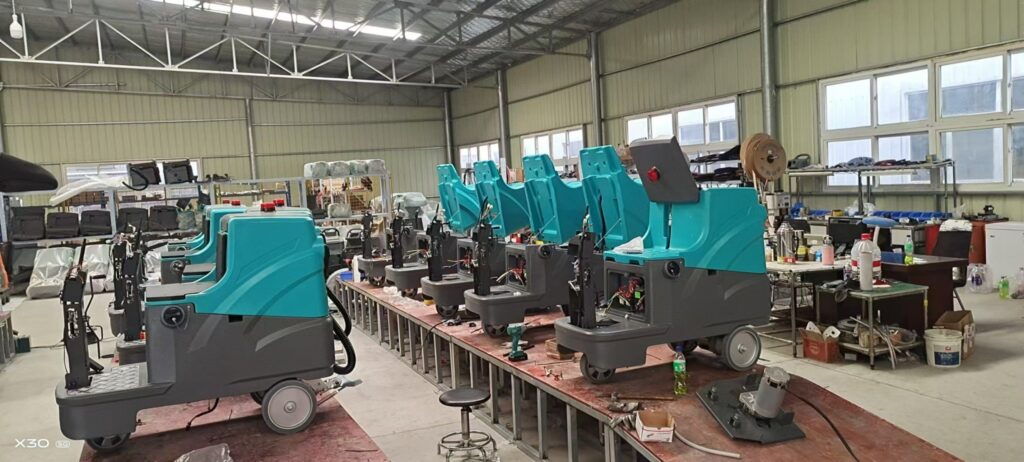
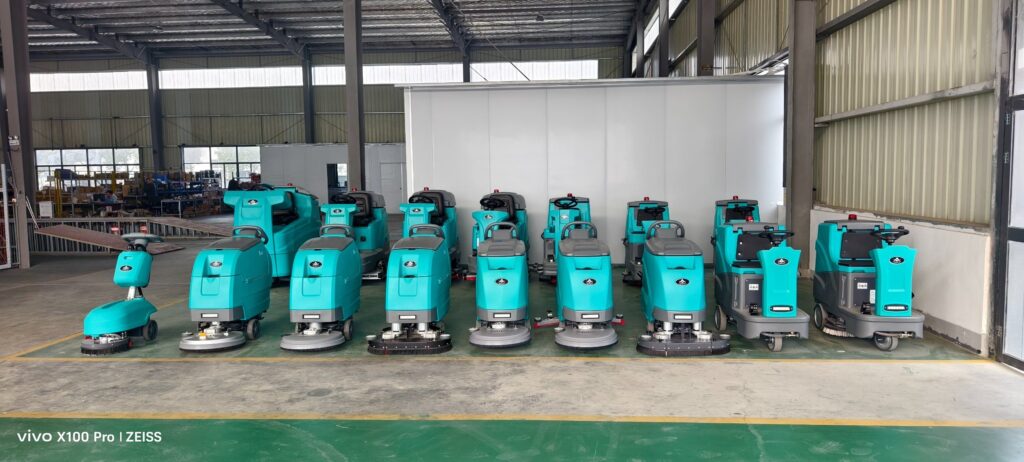
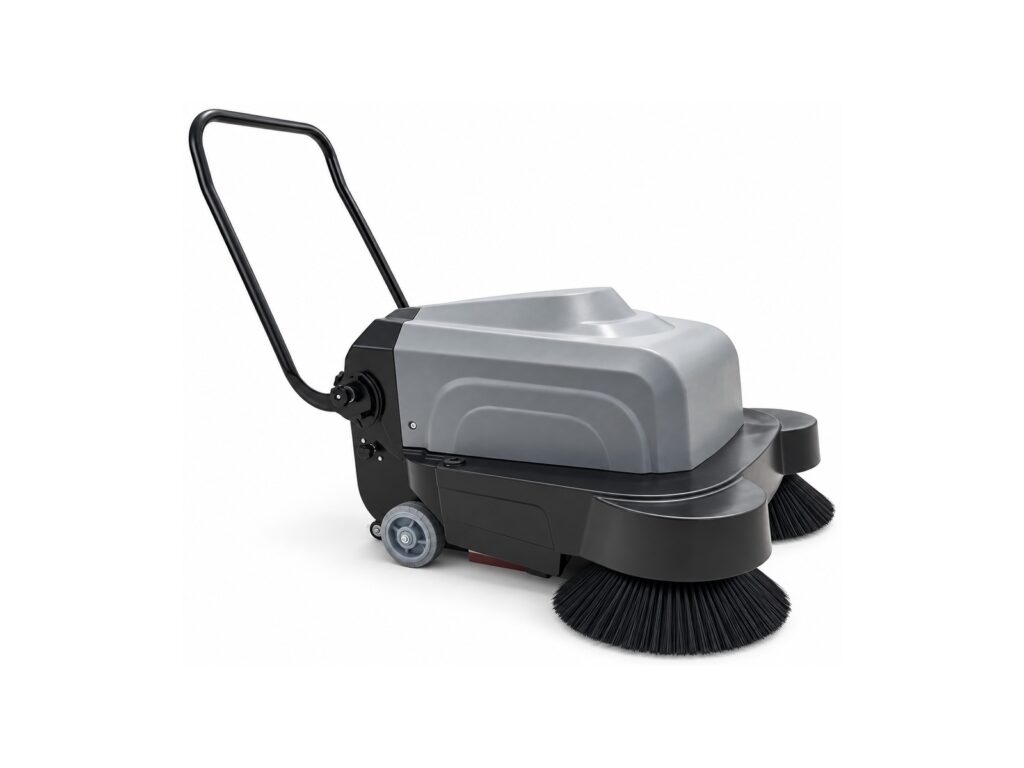
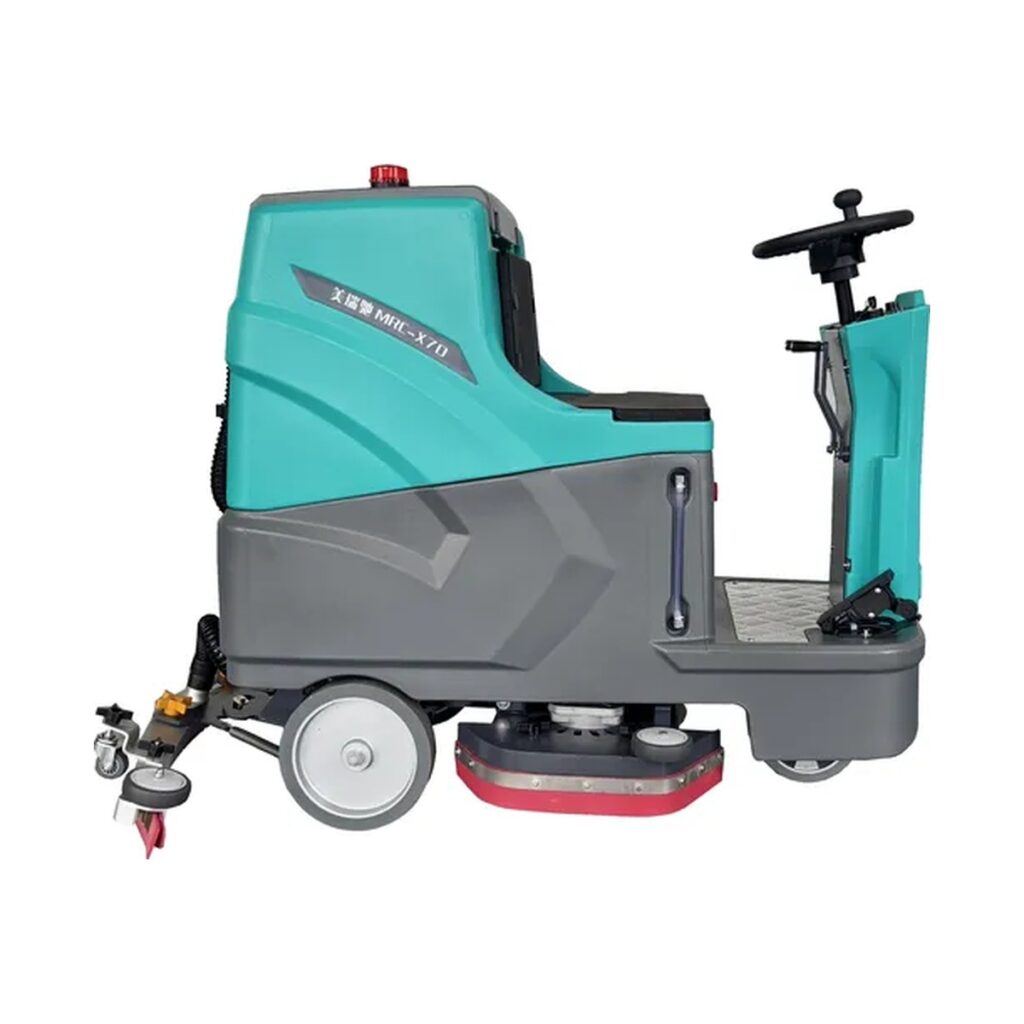
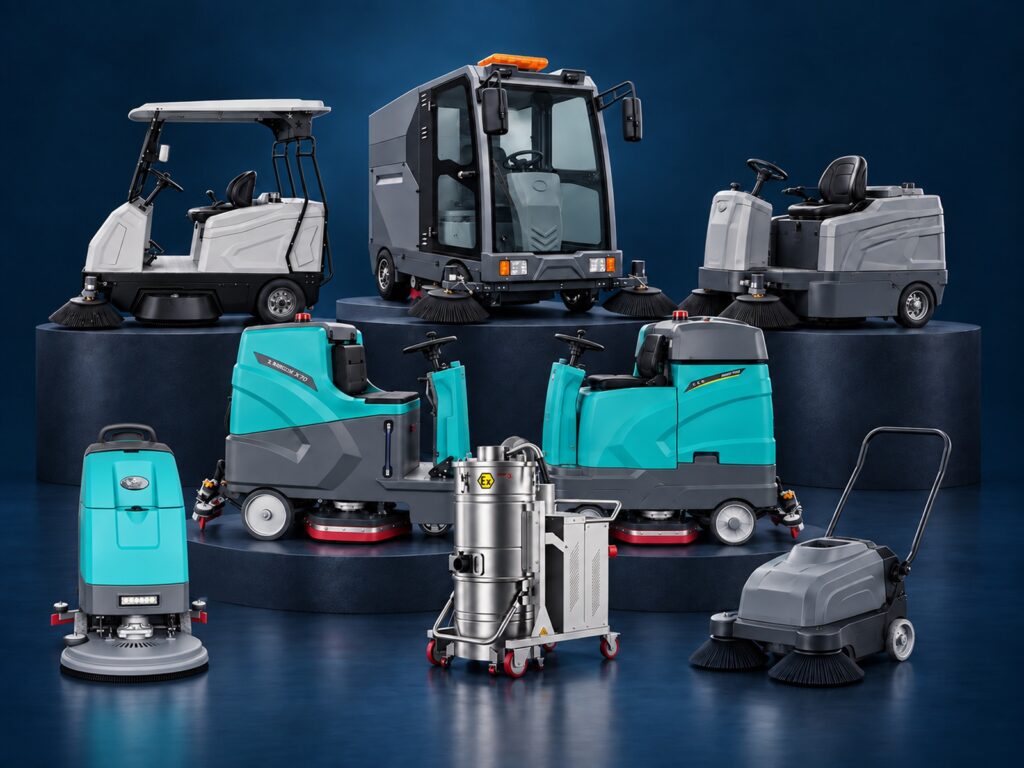
Mark fixed machinery, guarded areas, floor joints and the routes the operator can use. Production layouts can make a compact walk-behind machine more practical in one zone while an open circulation area allows a ride-on format.
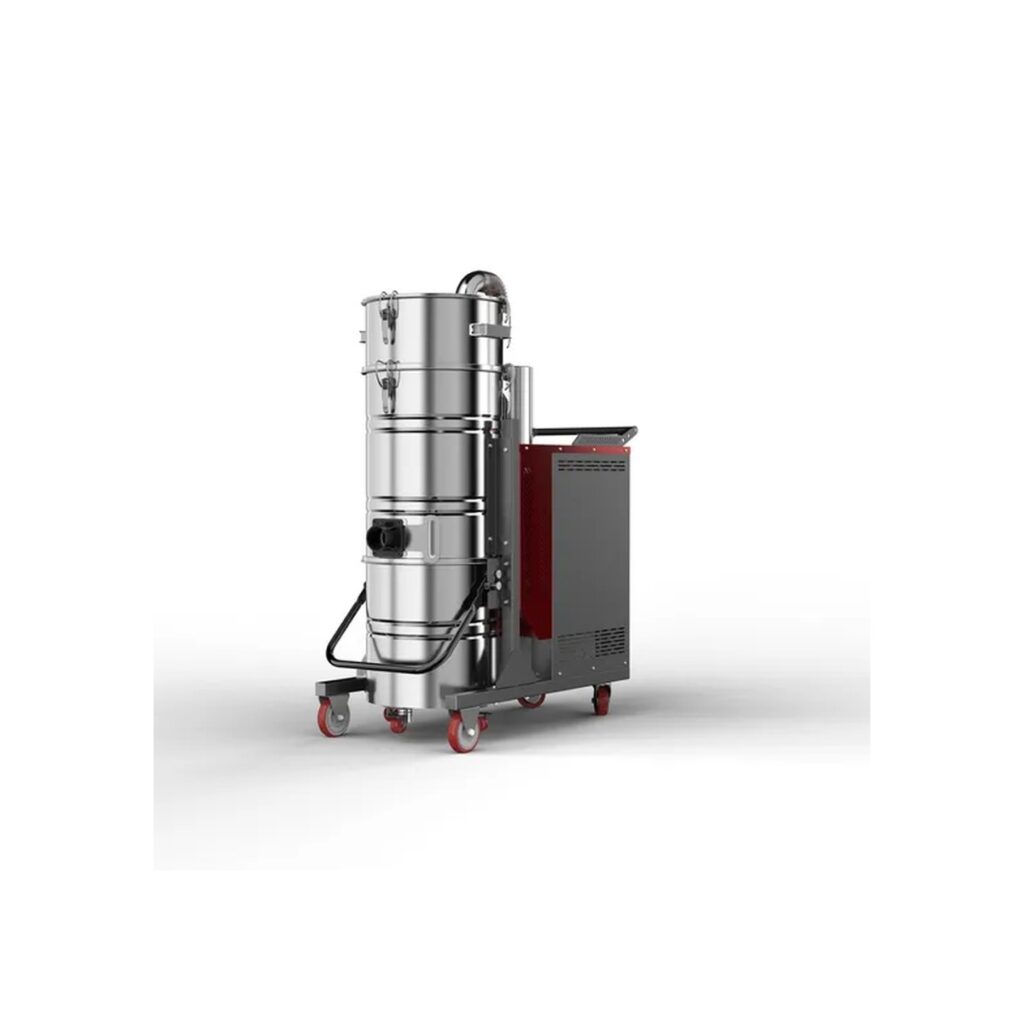
Identify the actual waste material before choosing a vacuum or collection system. Match brushes, pads, filtration, hoses and power to a documented configuration; a general industrial label does not establish suitability for every process residue.
Identify the areas that can be accessed without disrupting production. Measure the space around fixed machinery.
Discuss this priority →Describe the material and the collection requirement. Separate loose debris from residue that may require a compatible wet-cleaning process.
Discuss this priority →Confirm available electrical supply, charging space, access routes and waste collection arrangements.
Discuss this priority →Record when each work area becomes available. Include machine preparation, collection-container handling and return to storage in the cleaning window.
Discuss this priority →
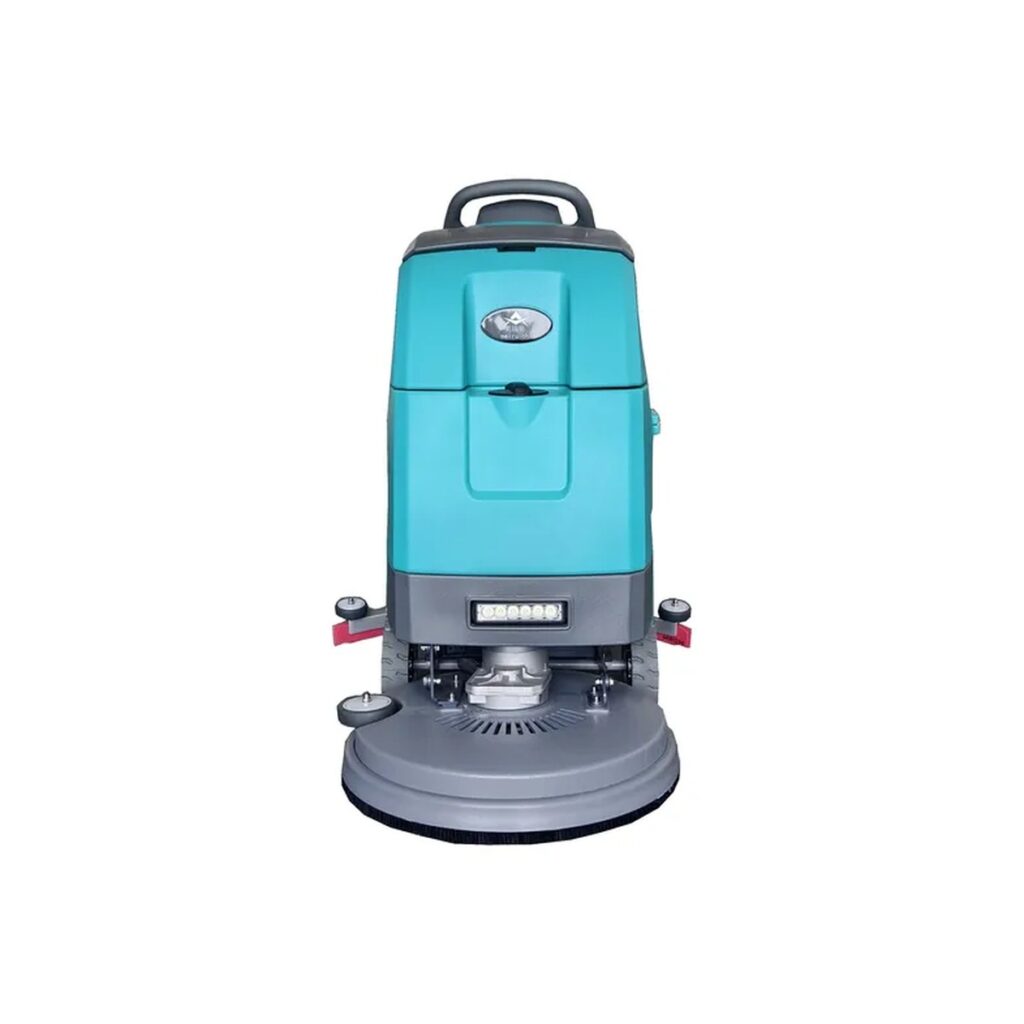
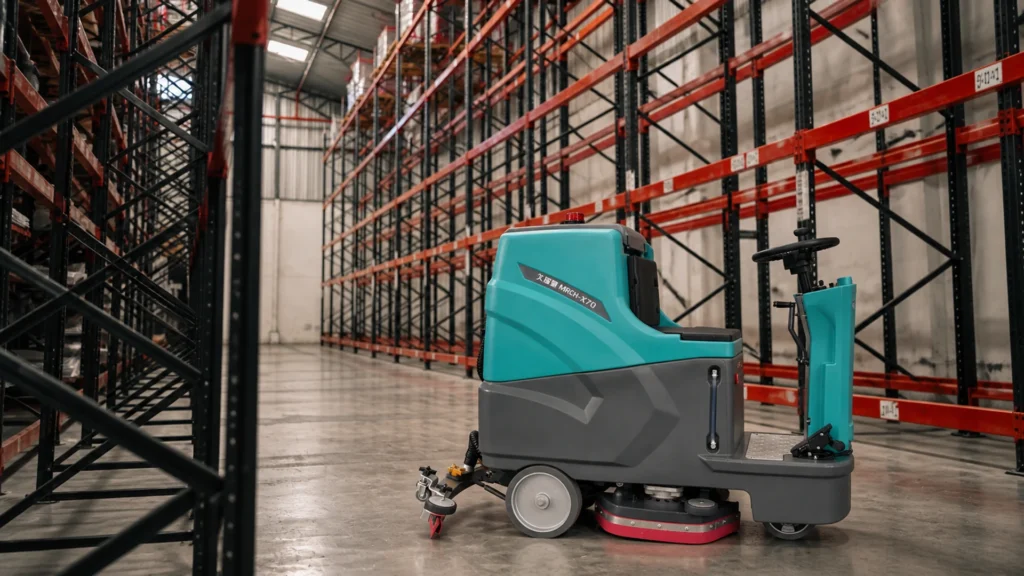
Plan cleaner warehouse aisles, loading zones and dispatch floors. Compare MRCH scrubbers, sweepers and industrial vacuums around your floor finish, packaging debris, forklift routes and available cleaning time.
Discuss this application ↗
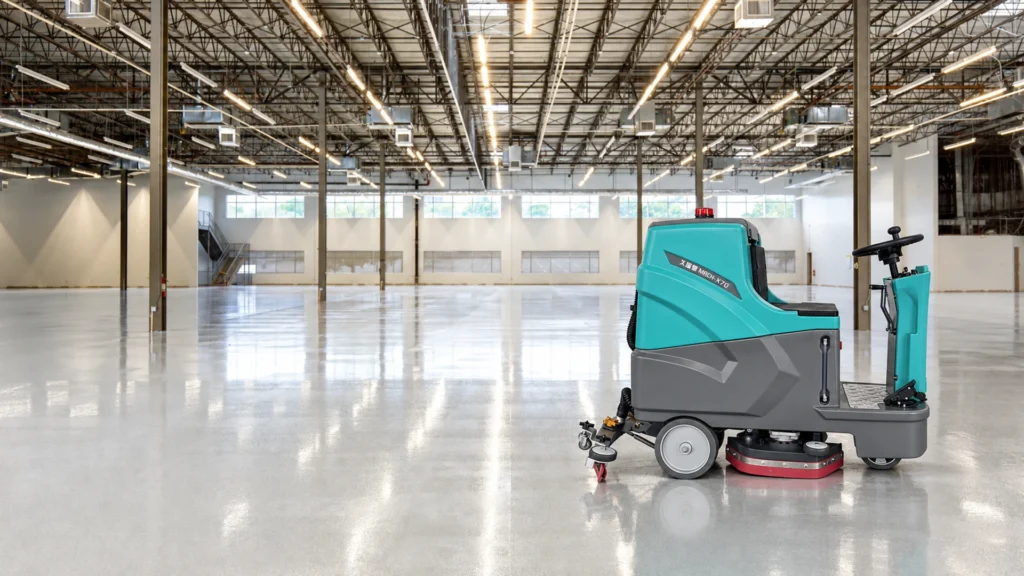
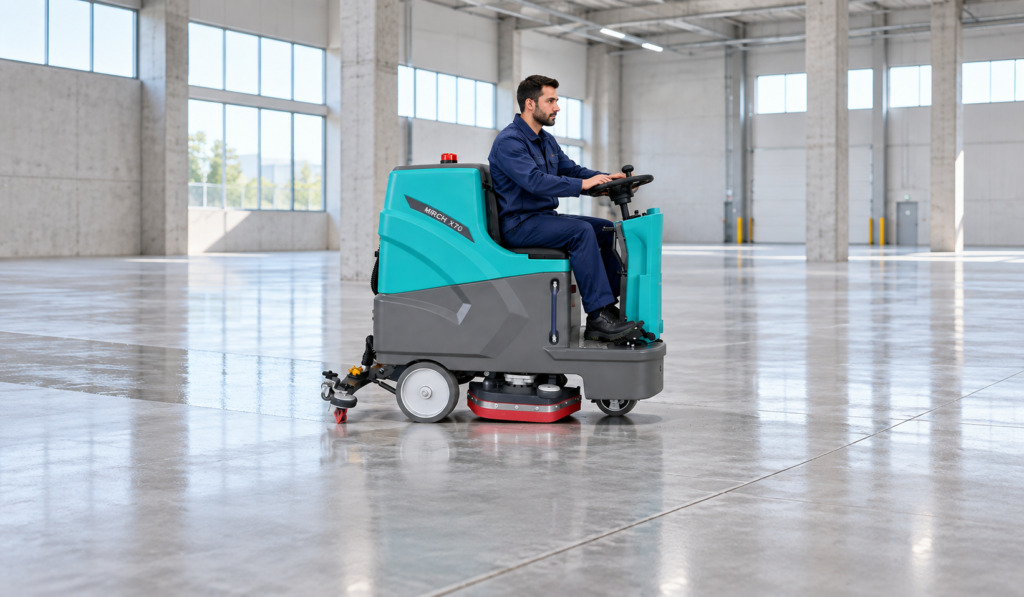
Choose a cleaning method for the concrete you actually have. Compare MRCH equipment for sealed, polished, coated or unfinished floors, using the surface condition, residue, access and recovery requirements as the starting point.
Discuss this application ↗
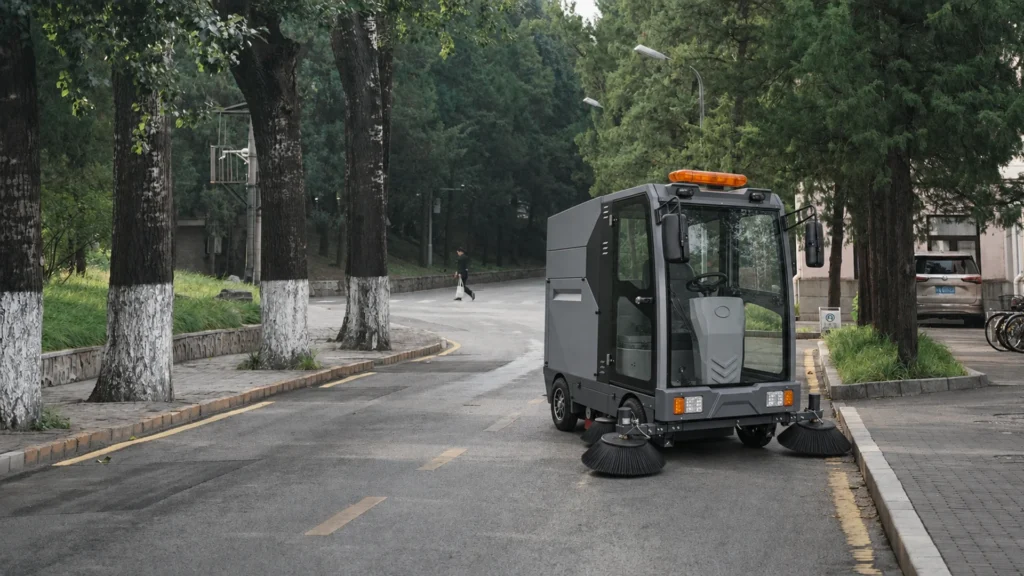
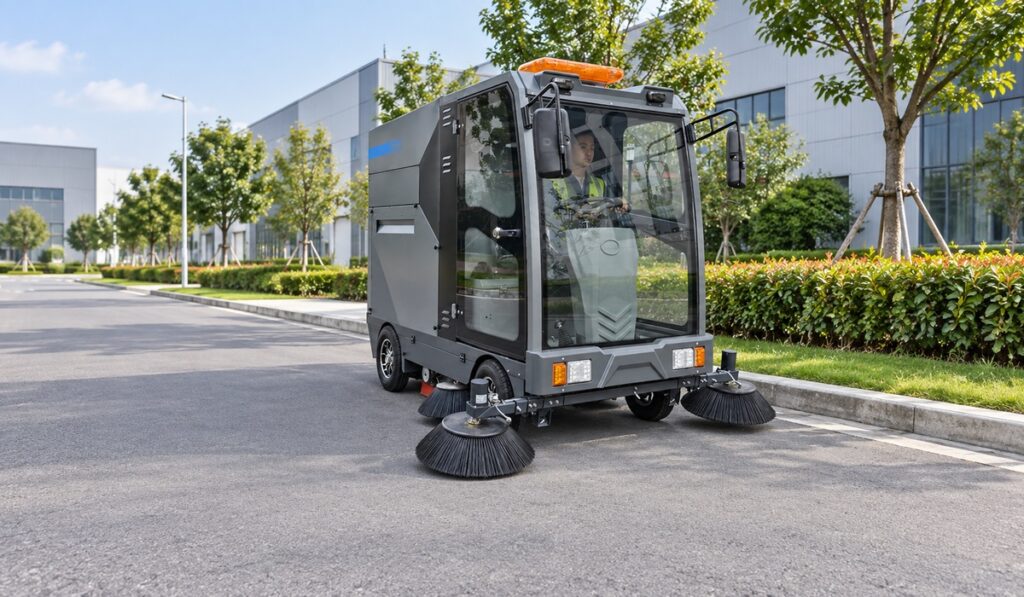
Plan sweeping around paved routes, curbs, entrances and service areas. Compare MRCH sweeping machines using route length, access, debris, collection capacity and the configuration required for your project.
Discuss this application ↗Provide floor area, surface condition and production-zone photographs.
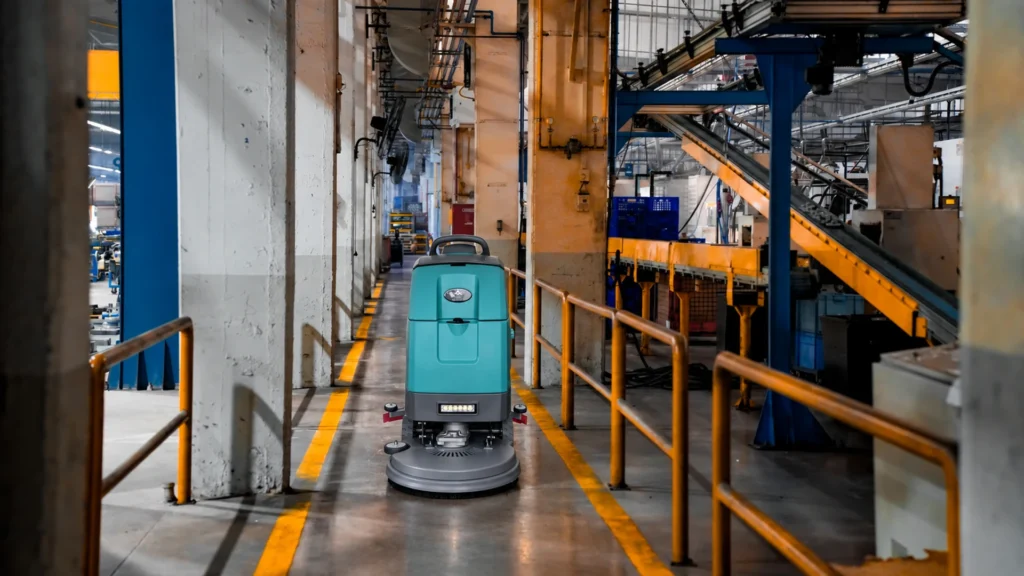
Review wet scrubbing, dry sweeping and localized vacuum options for the different zones.
Confirm dimensions, rated power, consumables and the documentation for the proposed configuration.
Agree the exact model, included tools, consumables, quantity, required documents, packing and delivery destination.
Supply the type and form of the residue, including relevant handling information. Ask for confirmation of the proposed collection method and accessories.
Check whether the floor is coated, textured or polished. Compare a suitable working tool and cleaning method before starting regular maintenance.
Confirm the actual power supply, charging arrangements, doorway dimensions and access to the service area.
List replaceable brushes, filters, hoses and recovery parts for the exact model. Request the operation and maintenance information included in the order.

Compare the cleanin…
View article →

Not necessarily. Open-floor scrubbing, suitable loose-debris collection and localized vacuum pickup are different jobs. Use a zone list to decide which equipment families belong on your shortlist.
No. Describe the material, quantity and any special handling requirements. Confirm the collection system, filtration and any required classification for the exact machine; motor power alone does not establish suitability.
Measure the route around fixed equipment, turn-in space and the path back to storage. Include the working attachments and operator space. Identify areas requiring a different cleaning method.
First identify the coating and its maintenance instructions. Confirm a compatible tool and cleaning chemistry, then test an appropriate area. Do not assume that a stronger pad or more aggressive chemistry is better.
Map the available windows with the site team. Keep access constraints, production movements, setup and machine servicing visible in the plan. Compare equipment against that schedule.
Provide work-area photos, floor finish, residue details, access dimensions, available electricity, daily cleaning window, quantity and destination. Include requested accessories and model-specific documents.
Share what you need and the right person from the team will respond with practical information.