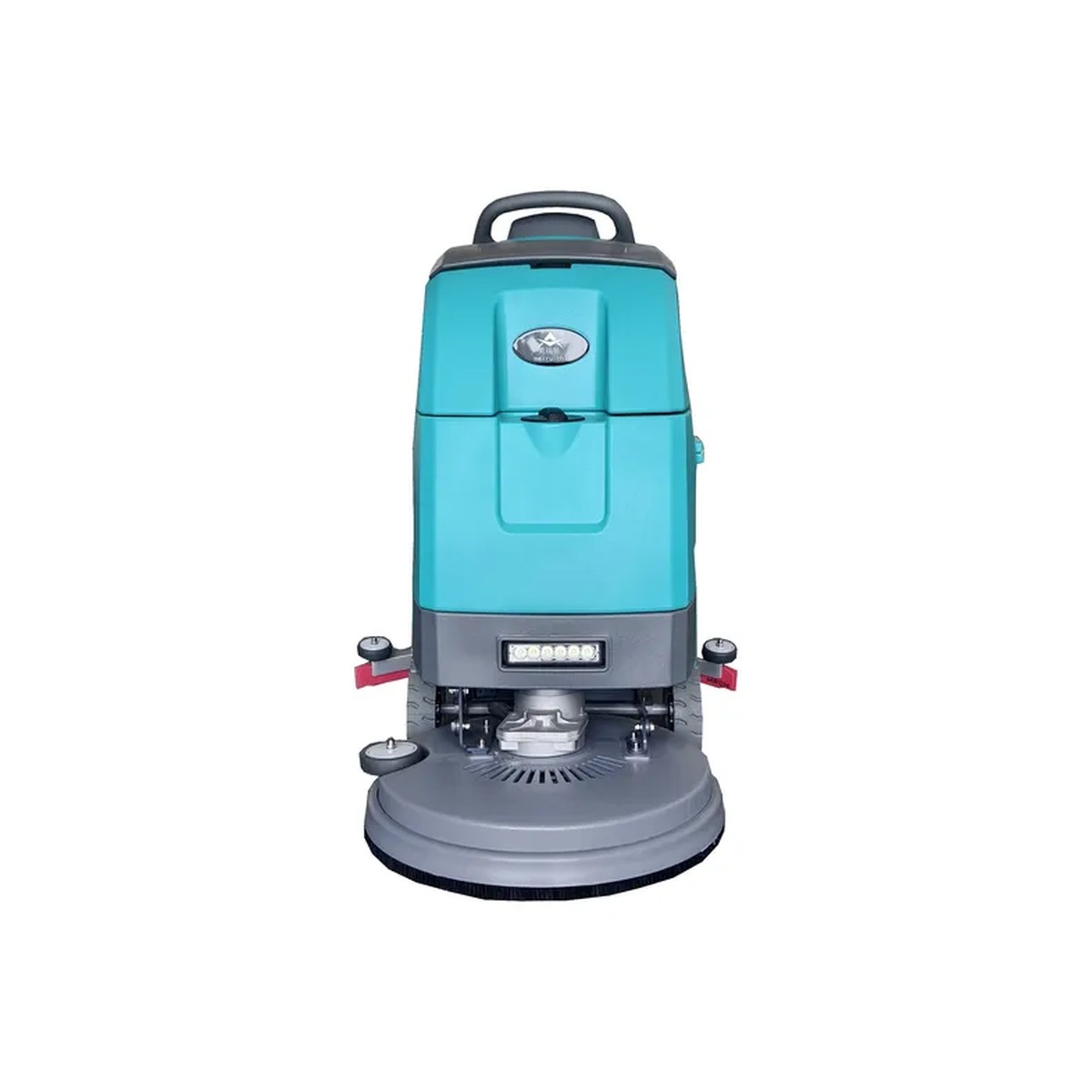

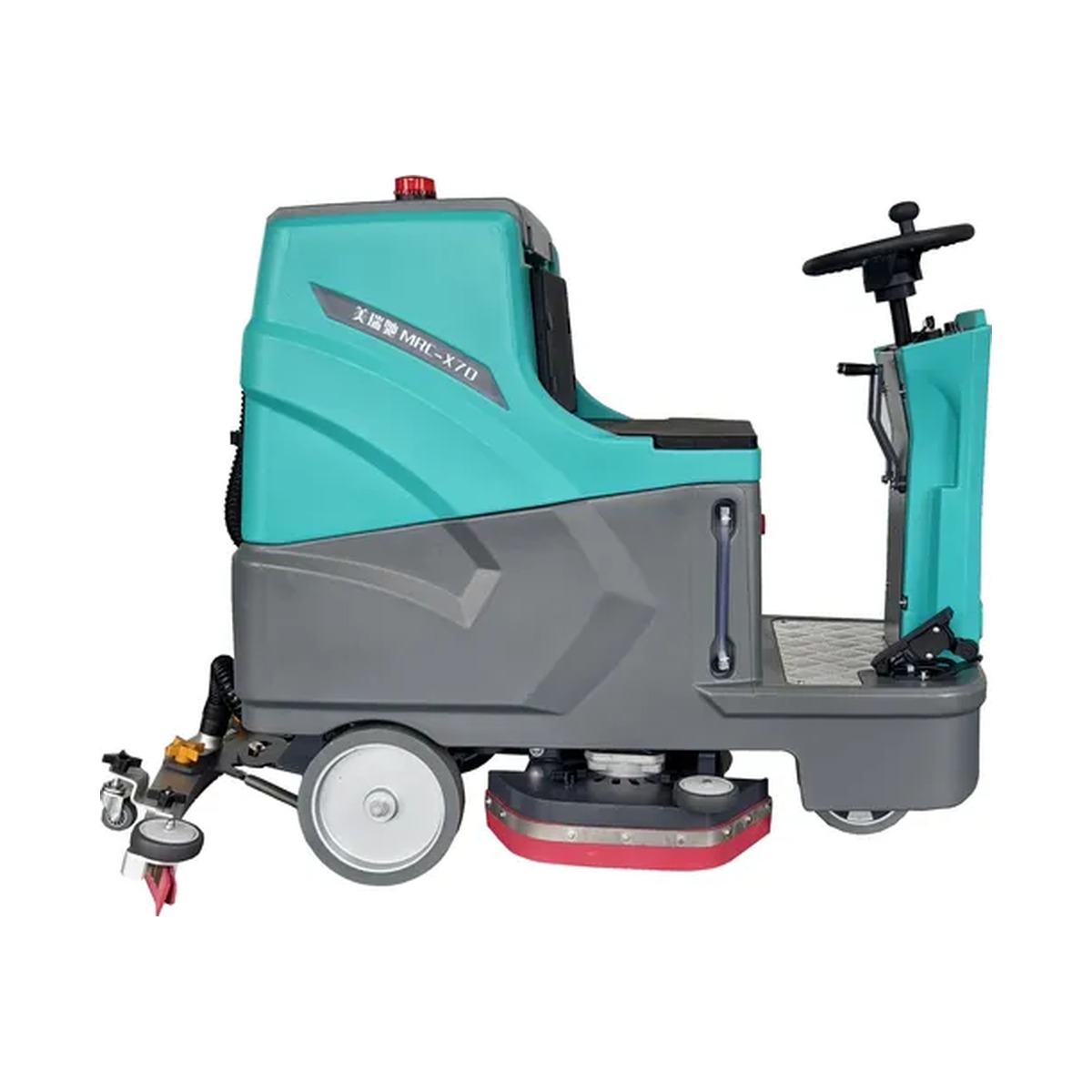
Identify the machine before choosing a replacement
Ordering floor scrubber spare parts starts with a machine record, not a photograph of a similar component. For an MRCH X50 walk-behind scrubber or MRCH X70 ride-on scrubber, send the model, serial number and the part identification you already have. Include the original purchase reference when available. This gives the supplier a practical starting point for checking the configuration.
This guide is for buyers, equipment supervisors and distributors organizing consumables and repair requests. It explains what information to collect, how to compare a parts quotation and how to maintain a useful stock record. It does not provide a universal installation procedure: replacement steps and responsibility depend on the supplied machine and component.
Separate consumables, assemblies and repair work
A request for “a new squeegee” can mean a blade, a blade set, a mounting assembly or a repair to another part of the recovery system. A request for “a new brush” can mean a cleaning brush, a pad driver or an incorrectly identified accessory. Clarifying the requested item prevents an apparently simple quotation from covering the wrong scope.
| Request type | Useful identification | Question for the quotation |
|---|---|---|
| Wear item | Existing part number, condition photograph and fitted model. | Which consumable and quantity are included? |
| Complete assembly | Overall photograph, mounting points and associated components. | Are fasteners and related items supplied separately? |
| Functional fault | Symptom, displayed warning and approved checks already completed. | Is diagnosis needed before ordering any part? |
| Battery or charger | Machine, battery and charger identification labels. | Is the proposed system approved for this configuration? |
Keep the symptom separate from your proposed solution. “Water remains across the cleaning path” is an observation; “replace the vacuum motor” is a diagnosis. Unless the diagnosis has been confirmed, ask for a review of the observation first. This can avoid buying a costly component that does not address the actual problem.
Create a parts folder for each MRCH model
Use a separate folder for each individual machine, even when several machines carry the same model name. Store its identification photograph, purchase documents, approved operating instructions and confirmed replacement information together. A fleet spreadsheet can link to those folders so that purchasing and maintenance use the same records.
For the X50, label the folder “MRCH X50” followed by the serial number or your internal asset identifier. Do the same for the X70. If serial information cannot be read, send a clear image of the identification plate and the whole machine to MRCH rather than guessing from appearance. Record the supplier’s response in the folder.
Tennant’s maintenance resources guide distinguishes operator instructions, parts documentation and service support. That distinction is useful when organizing an MRCH fleet: an operating guide answers a different question from a parts list. Ask MRCH which documents apply to your machine; do not assume that another brand’s online manuals describe your equipment.
Take photographs that resolve questions
Start with a whole-machine image and its identification label. Next photograph the complete component in its installed position, without disassembling equipment outside the permitted procedure. Finally add a close view of the relevant label, wear or connection. Keep the images sharp and avoid obscuring the part with a finger or a ruler.
If a dimension is requested, state what was measured and the unit. A blade’s overall length is different from the spacing of its mounting holes; a tool’s outer diameter does not describe its drive connection. Measurements support identification but do not replace a compatibility check. Retain any readable number exactly, including prefixes and suffixes.
When several identical-looking parts are involved, number the photographs and describe the location of each. For example, identify a front or rear contact element using the machine documentation rather than simply calling it “the rubber piece.” This makes the enquiry clearer for a supplier who cannot see the equipment in person.
Review a quotation beyond the unit price
Check the named machine configuration, part description, quantity and included items. Confirm whether the item is supplied individually or in a set, and whether installation requires an authorized technician. Ask for the relevant instructions and any additional compatible components needed to complete the work.
Keep delivery destination, packing and requested timing in the enquiry. The availability of one consumable should not be treated as a guarantee for every part. Obtain the confirmed dispatch arrangement for the actual order rather than using a general new-machine lead time as a spare-parts promise.
For electrical components, batteries and chargers, provide the fitted system’s labels and ask for explicit compatibility confirmation. An apparently matching connector or voltage label is not sufficient evidence that a replacement is suitable. Arrange technical review through the appropriate service channel instead of treating these items as interchangeable accessories.
Use a small stock list that matches your fleet
A useful stock list starts with parts already confirmed for the machines you operate. Record the asset, component description, confirmed part reference, supplier, quantity on hand and date last checked. Separate X50 and X70 entries unless the supplier has explicitly confirmed that a particular item is shared.
Choose stock quantities from actual consumption and replenishment experience. A distributor supporting many machines needs a different arrangement from a facility operating one scrubber. Review replacement history before setting a reorder point, and update it when the fleet or service arrangement changes.
As an illustrative planning method, a site can estimate consumption during the confirmed replenishment period and add a reserve based on its tolerance for downtime. This is inventory planning, not a recommended universal quantity or a claim about MRCH component life. Keep exceptional failures separate from normal wear so that a one-off incident does not distort routine purchasing.
Record installation and check the result
When a part is replaced, record the date, machine identification, supplied reference and person who performed the work. Attach any service report. Follow the required checks before the machine returns to use, and record whether the original symptom has been resolved.
Do not overwrite the earlier fault description with a single “completed” tick. Retaining the observation makes the record useful if the issue reappears. If a replacement does not restore the expected result, report that outcome together with the installation details; do not keep changing parts without a review.
For consumables removed because of wear, keep a photograph when it helps explain unusual consumption. Repeated damage in one part of the building may justify reviewing floor condition, debris or operating practice. The stock record and cleaning-route record should therefore be easy to compare.
A ready-to-use MRCH parts enquiry
Send a short message with these fields: machine model and serial number; purchase reference if known; requested part or observed symptom; existing part number; photographs; quantity; destination; and required date. Add a list of checks already completed under the operating instructions. State whether you need identification only, a quotation or technical advice before ordering.
For an X50 or X70 recovery problem, the water-pickup observation guide helps describe the wet trail. For routine records, use the maintenance checklist. When the information is ready, send your MRCH parts enquiry so the proposed item can be checked against the actual machine.
Spare-parts questions
Can I order by model name alone?
The model is a starting point. Supply the serial number, configuration and existing part identification where possible so that the replacement can be checked accurately.
Should every fleet keep the same spare kit?
No. Build the list around confirmed compatibility, replacement history and replenishment time for your own equipment. A kit for another fleet may contain unsuitable or unnecessary items.
Does a parts quotation include installation?
Check the quotation. Parts supply, installation and diagnosis can be different scopes of work. Confirm the required service arrangement before ordering.