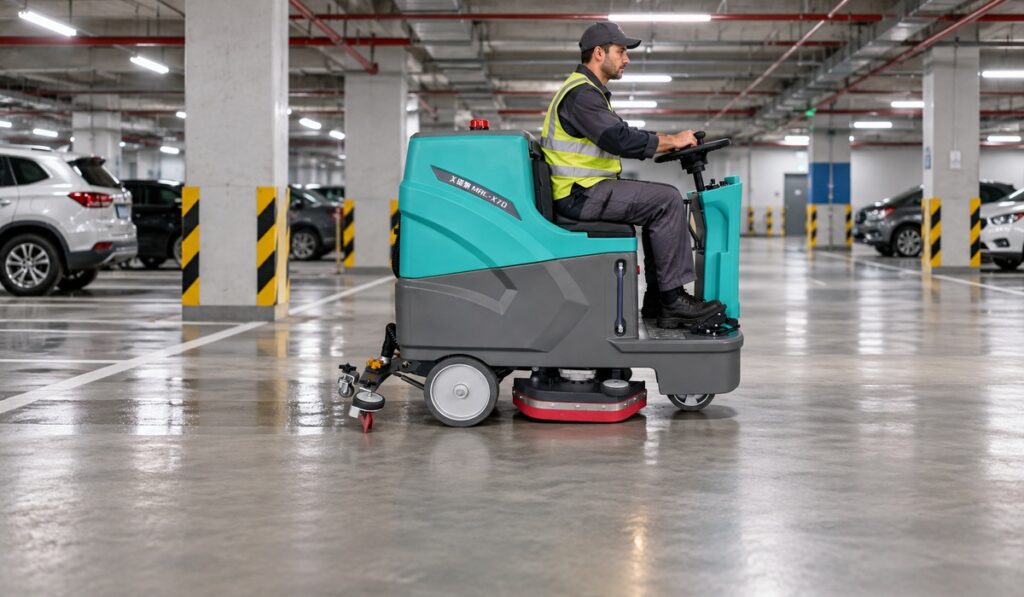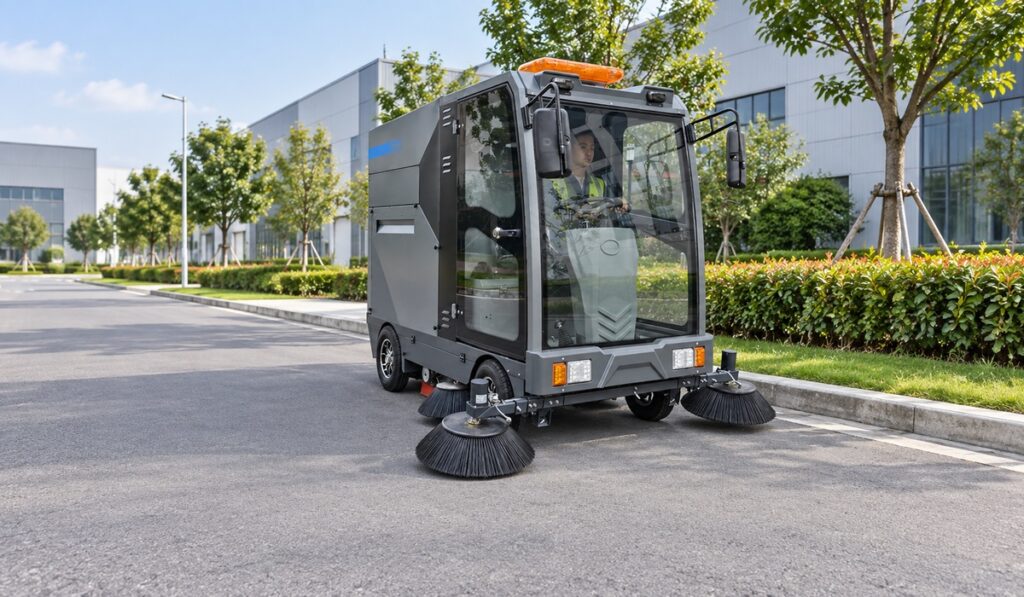

Large Aisles
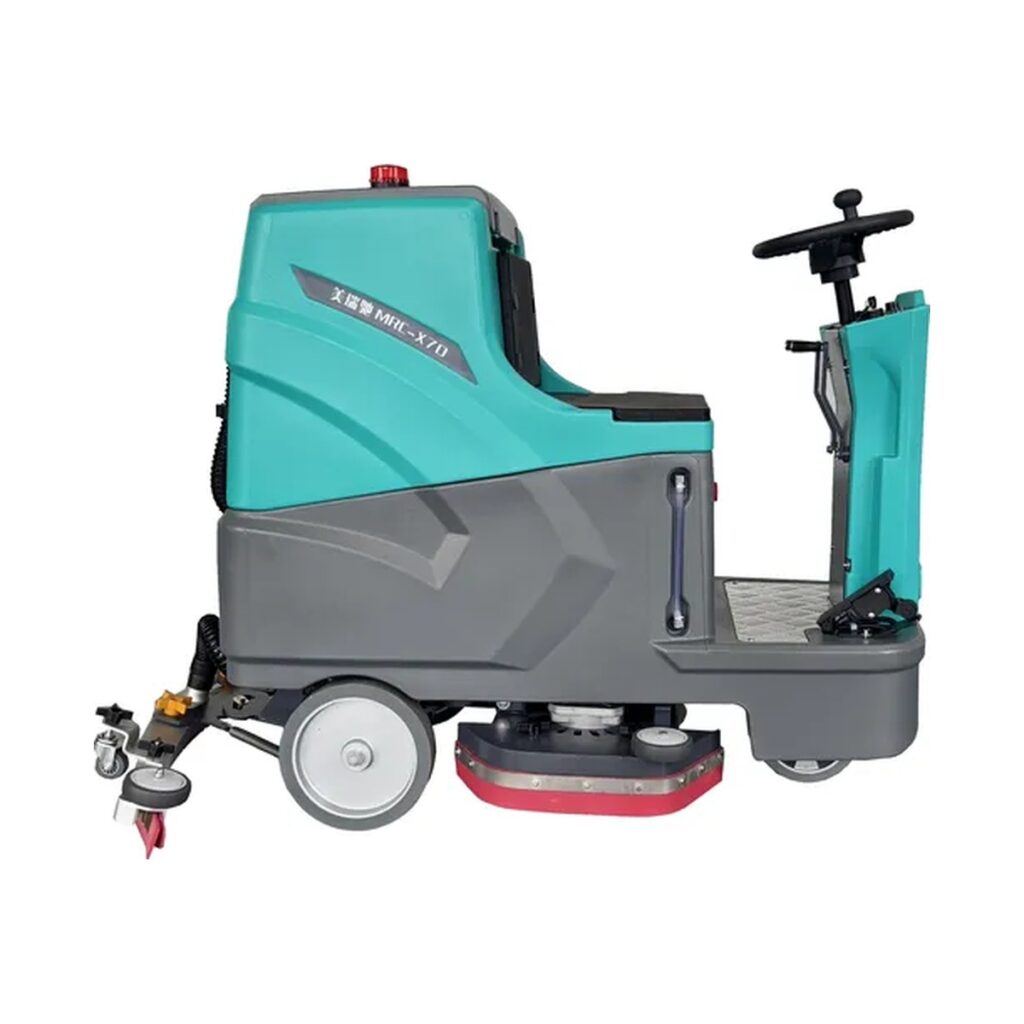
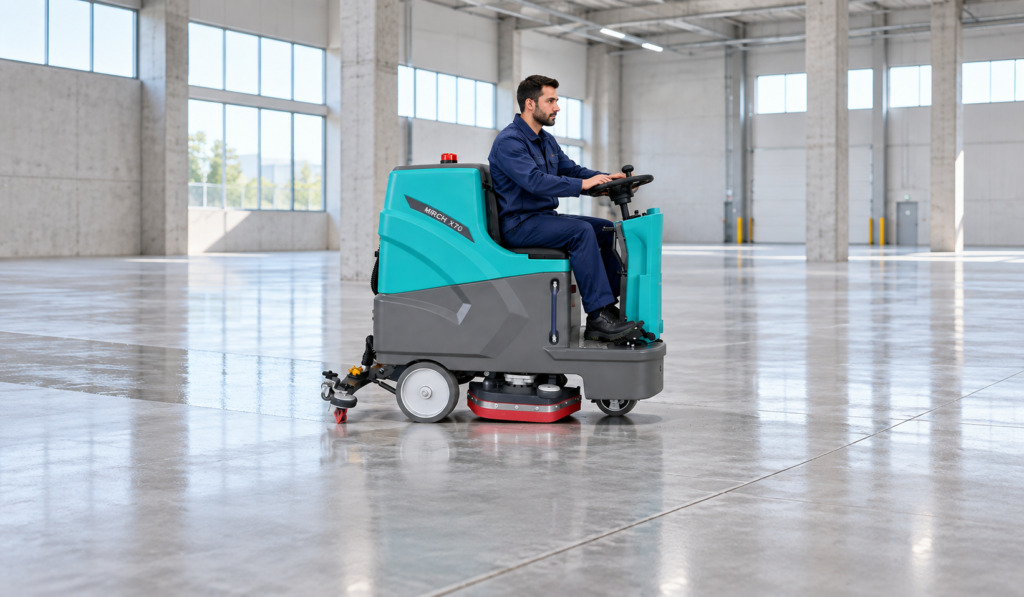
Measure unobstructed cleaning areas and the time available between warehouse activities. Compare ride-on scrubber options for longer routes.
Discuss this priority →
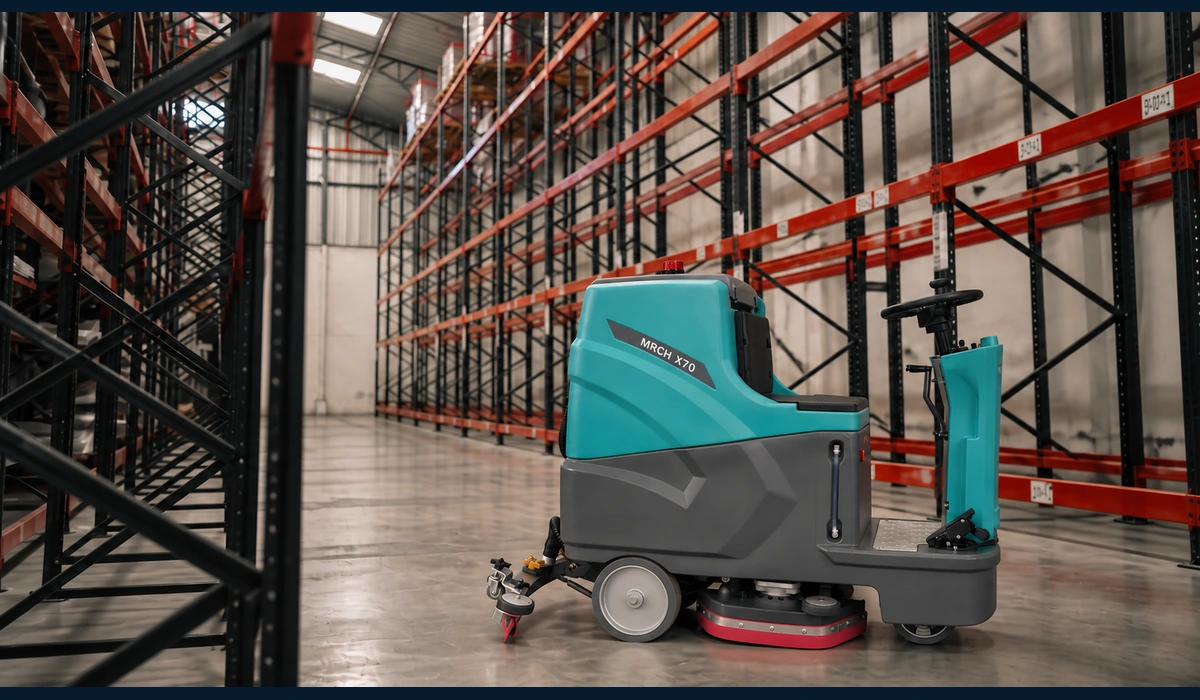
Start with the routes that are actually available to the cleaning team. Rack aisles, cross-aisles and loading doors may have different access windows, even when they share the same floor. Measure with pallets and temporary staging in their normal positions.
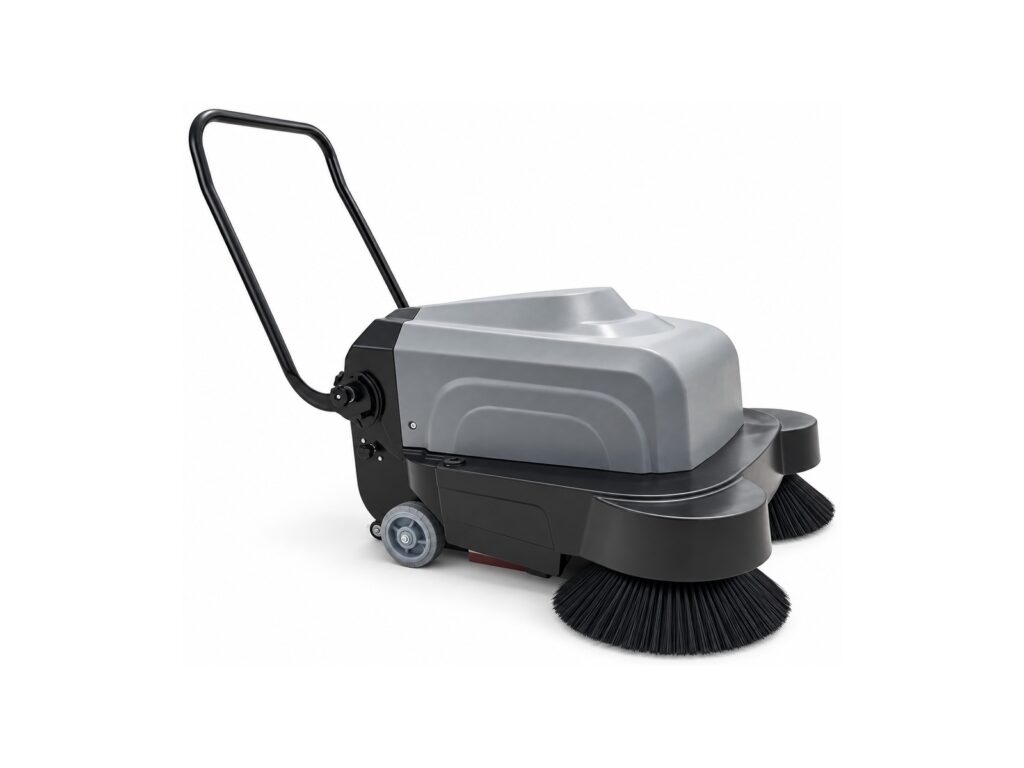
Use the residue to decide the cleaning method: suitable loose debris calls for collection, while compatible wet scrubbing addresses adhered dirt. Long wrapping strips, straps and large packaging pieces should be handled separately before machine cleaning.
Compare the full machine and working attachments against doors and aisle-end turns. Then place refilling, emptying and charging into the route plan, so the equipment can return to work within the available shift.
Measure unobstructed cleaning areas and the time available between warehouse activities. Compare ride-on scrubber options for longer routes.
Discuss this priority →Separate loose dry debris from marks or residue that require wet scrubbing. Describe the material before selecting a collection system.
Discuss this priority →Record turning space, floor condition and traffic times. Plan cleaning access around the warehouse’s operating schedule.
Discuss this priority →Locate water, emptying and charging points before comparing tanks or runtime. A larger tank is only useful if the machine still fits the working route.
Discuss this priority →
Match cleaning equipment to production aisles, workstations and workshop floors. Compare MRCH machines by the material to collect, floor compatibility, available access and the way your production shift operates.
Discuss this application ↗
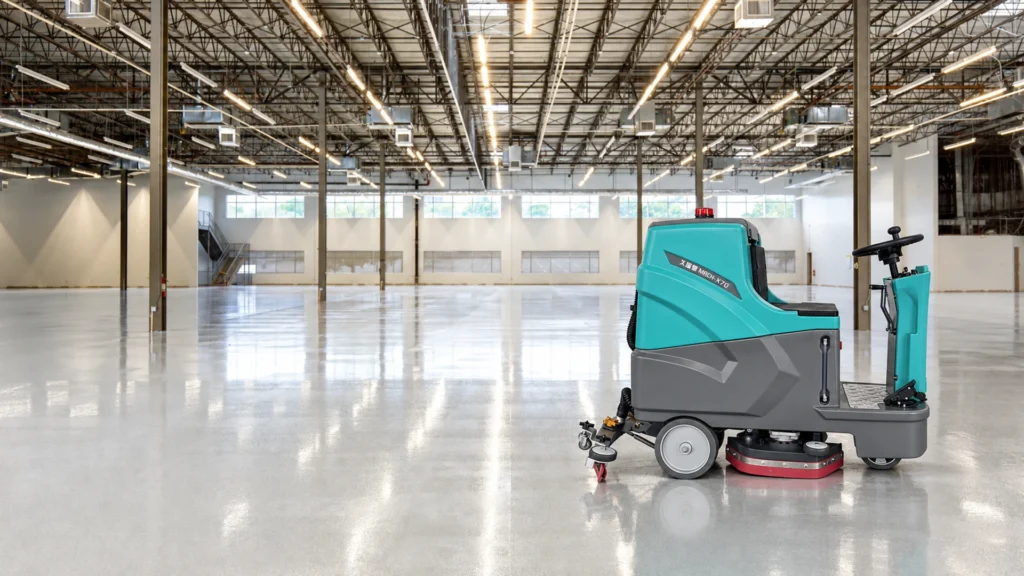
Choose a cleaning method for the concrete you actually have. Compare MRCH equipment for sealed, polished, coated or unfinished floors, using the surface condition, residue, access and recovery requirements as the starting point.
Discuss this application ↗
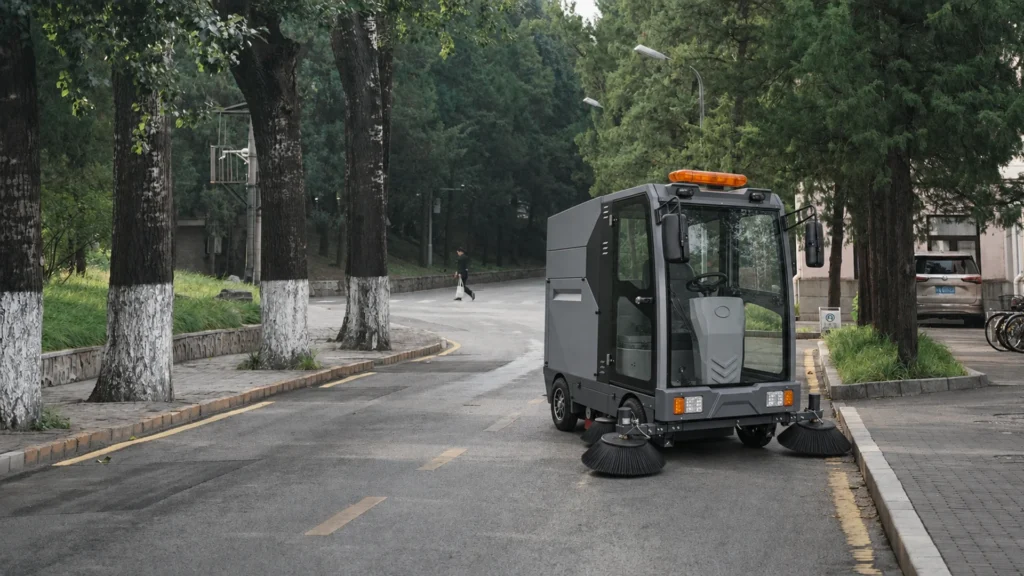
Plan sweeping around paved routes, curbs, entrances and service areas. Compare MRCH sweeping machines using route length, access, debris, collection capacity and the configuration required for your project.
Discuss this application ↗List aisle widths, doorways, loading areas and available cleaning periods.
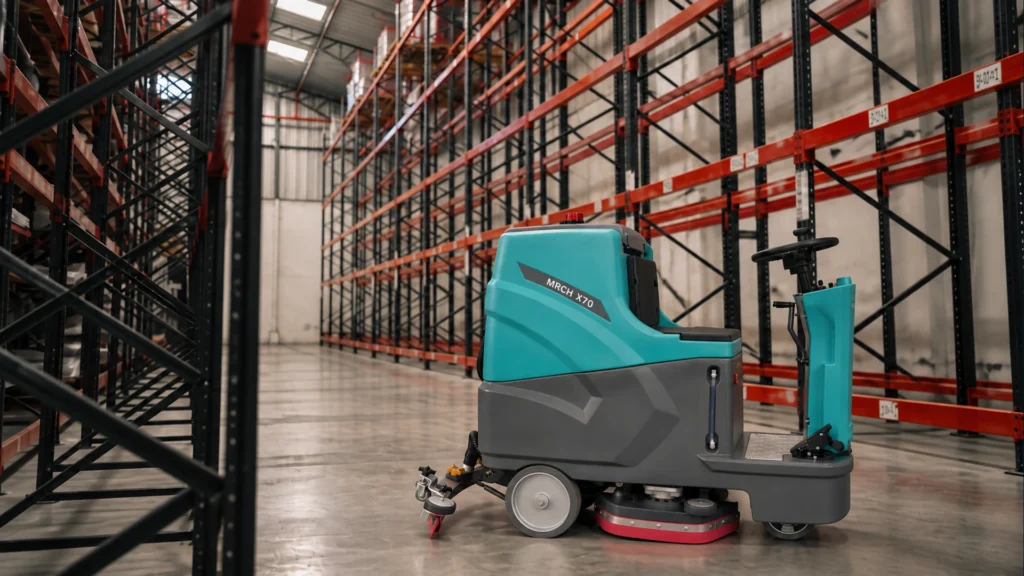
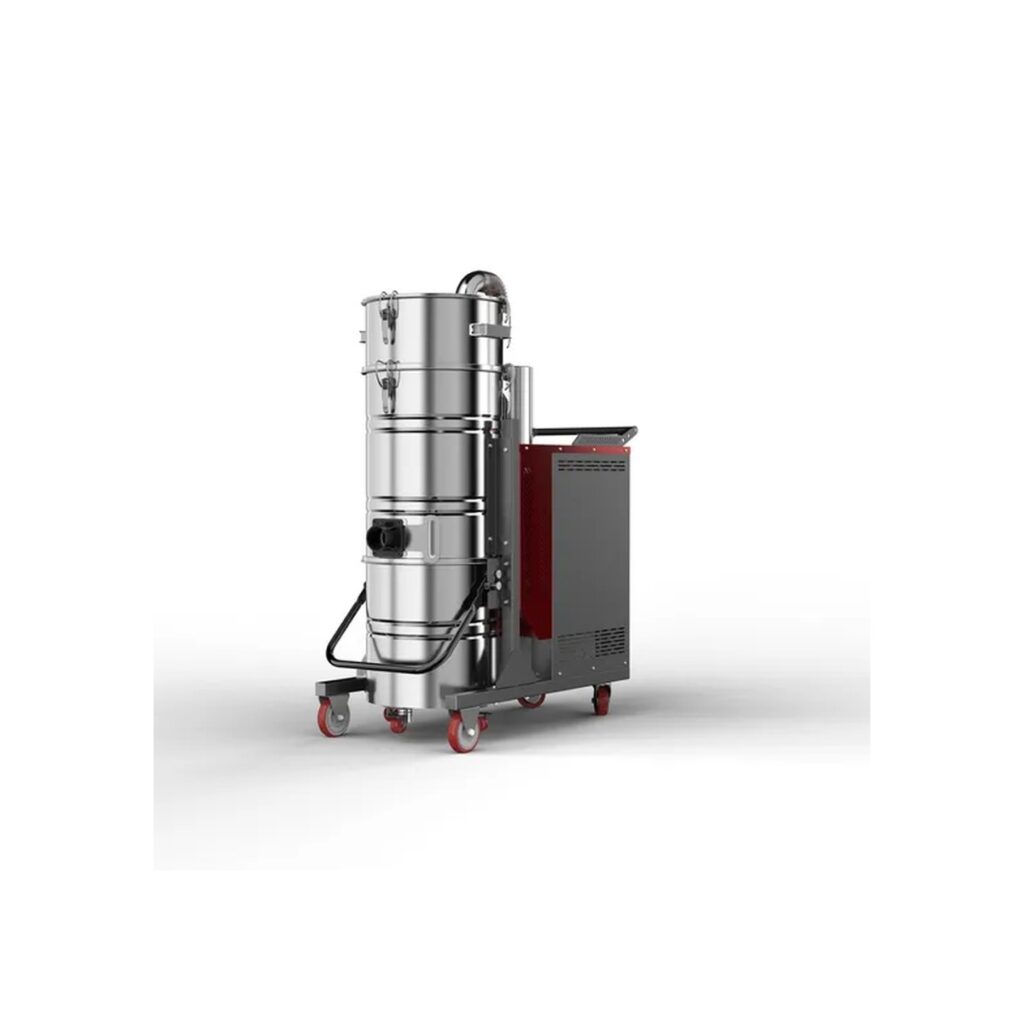
Identify which zones require debris collection, wet scrubbing or localized vacuum cleaning.
Compare machine dimensions, power, tank or hopper capacities and service requirements.
Agree the exact model, included tools, consumables, quantity, required documents, packing and delivery destination.
Compare machine width, rear squeegee and side attachments with the narrowest opening, rather than using cleaning-path width alone.
Confirm the floor finish, brush or pad and cleaning chemistry. Plan a trial on an appropriate section of the actual floor.
Review bends, obstacles, repeated passes and the condition left after recovery. Check the route before returning it to normal traffic.
Identify the exact model, power arrangement, included tools, consumables and delivery requirements in the quotation.

Compare the cleanin…
View article →

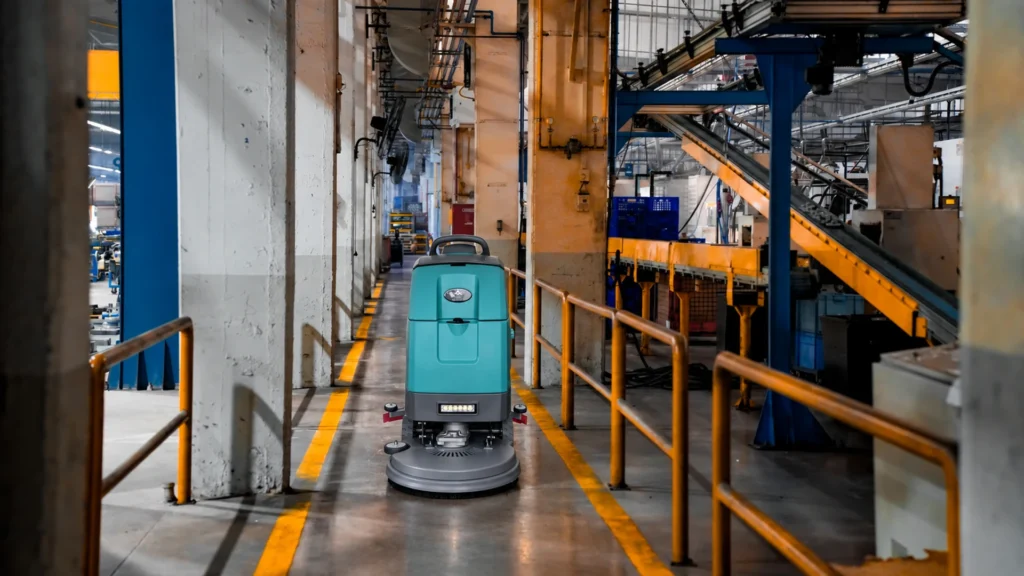
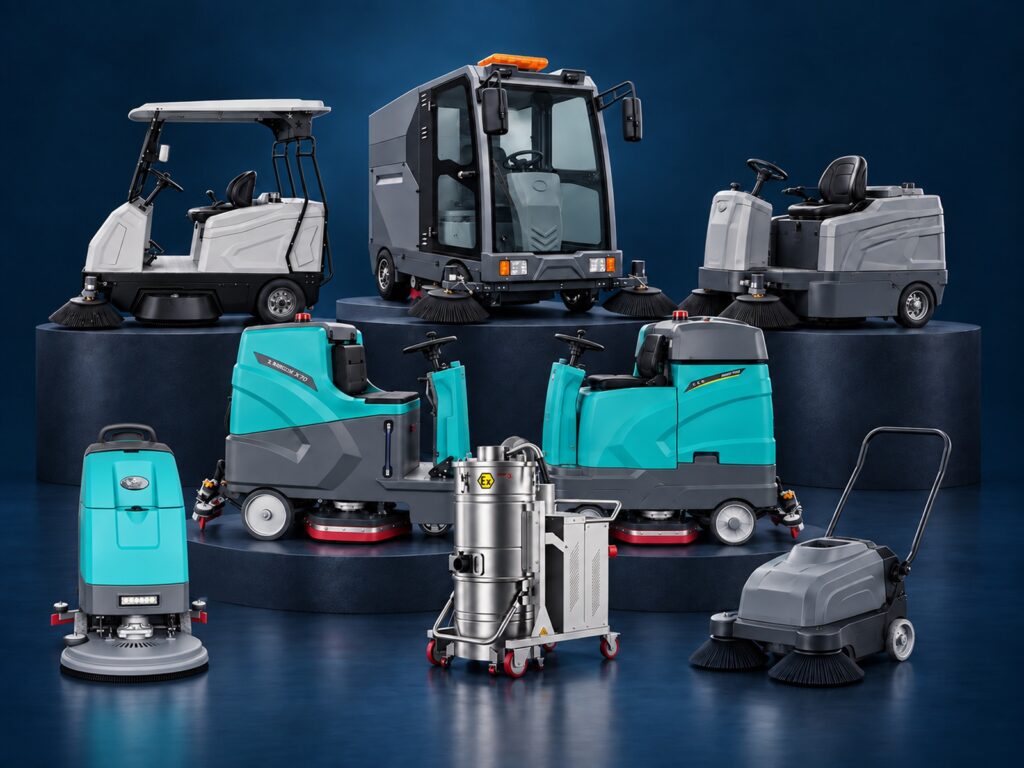
Compare the task first. A sweeper collects suitable loose material along a route; a scrubber cleans compatible floors with solution and dirty-water recovery. Many warehouses need these as separate stages rather than expecting one machine to handle every residue.
Long strips can become wrapped around moving parts. Separate bulky packaging, strapping and oversized debris before mechanized cleaning, and confirm the allowed material for the selected collection system.
It is a useful category for longer, open routes. Keep a walk-behind option on the shortlist where doorways, aisle ends, temporary stock or service access restrict movement. Do not choose solely from total building area.
The answer depends on the residue, floor finish, compatible chemistry and working tool. Send a close-up photo and identify any coating. Request a suitable trial rather than assuming routine daily scrubbing will remove every mark.
Give the accessible cleaning area and a simple route drawing. Distinguish floor beneath fixed racks from aisles, loading areas and staging zones. Add the time when each zone is available.
Send floor and debris photos, clear aisle and doorway dimensions, turning space, cleaning windows and utility locations. Add preferred machine type, quantity and delivery country.
Share what you need and the right person from the team will respond with practical information.