
ILLUSTRATIVE APPLICATION PLAN

Retail Floor Cleaning — Planning Example

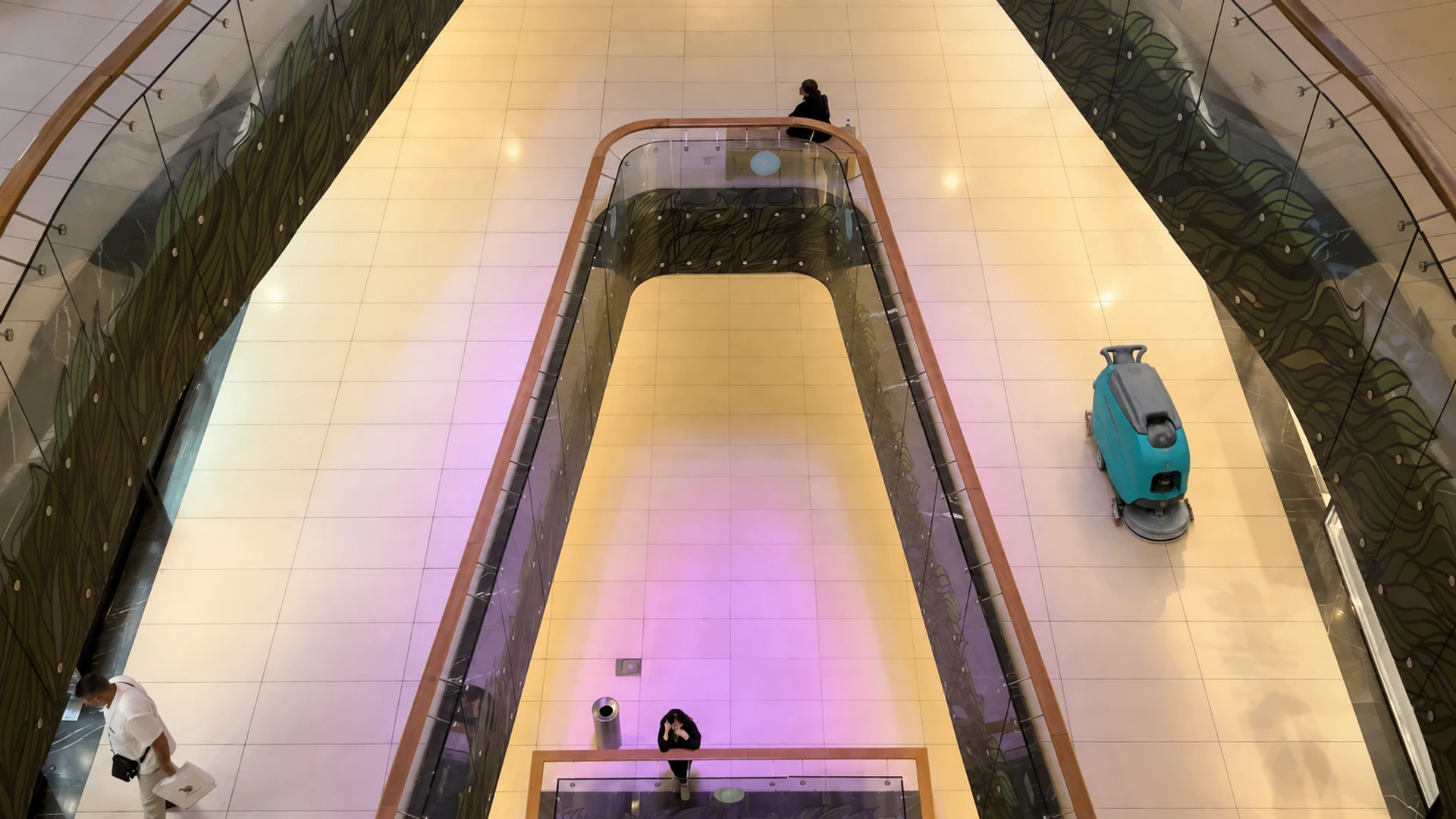
An illustrative supermarket plan: assess shelves, checkout areas and open floors, then compare equipment against access and cleaning windows.
CASE STUDY HERO
01

Use a project, application or delivered-result image. Keep the important subject inside the central safe area.

CUSTOMER CONTEXT[INDUSTRY / APPLICATION]
PROJECT SCOPE[PRODUCT / SERVICE]
PRIMARY OUTCOME[RESULT CATEGORY]
DELIVERY REGIONSite-dependent

A Typical Retail Brief

This planning example describes an illustrative supermarket layout. It is not a completed customer case or a promise of measured results. Consider entrances, shelf aisles, checkout lanes and a larger open sales area as separate cleaning zones.

Match the Route to the Store

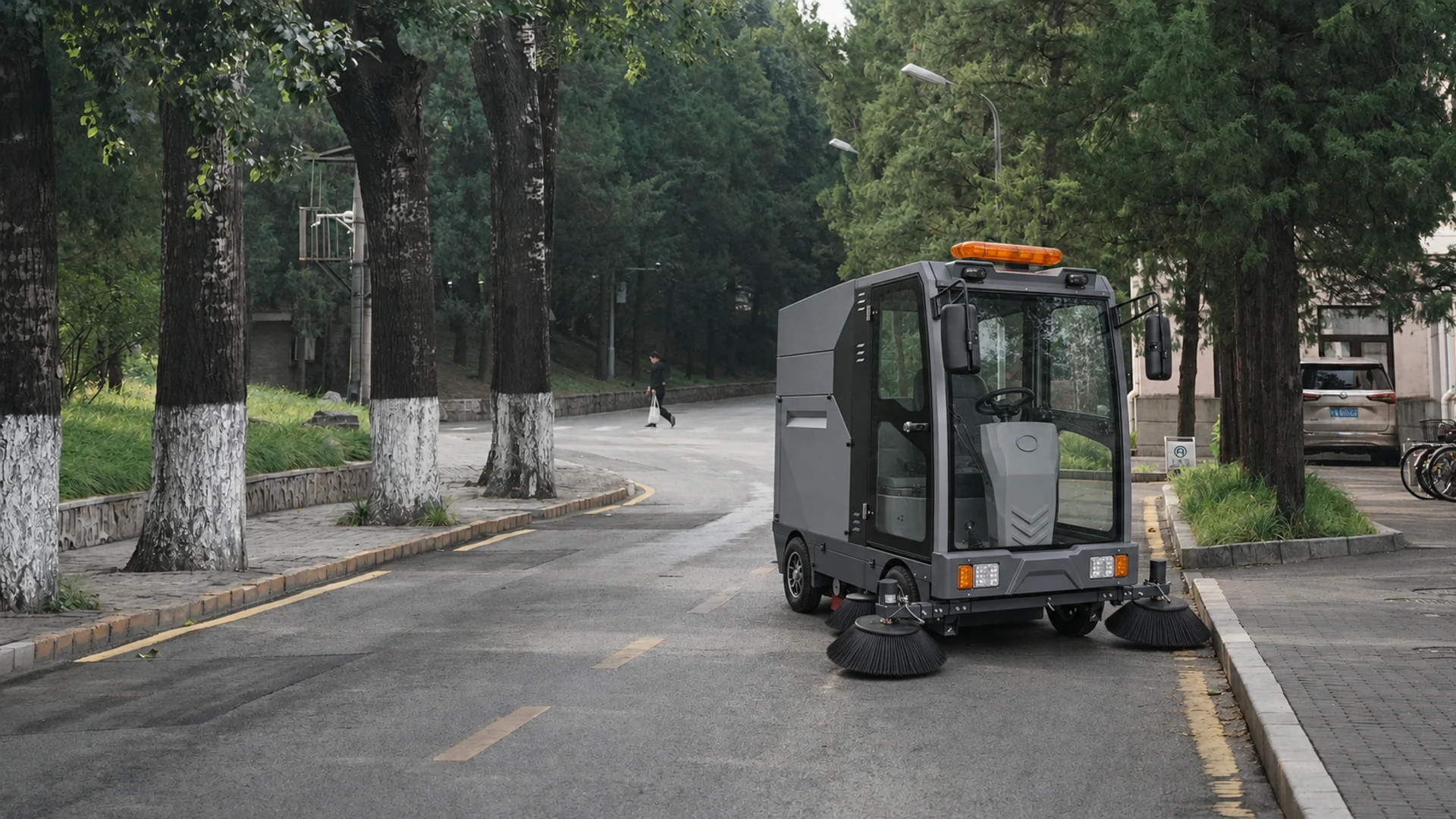
Measure clearances with displays and other movable items in their normal positions. Check the space needed to turn at aisle ends and reach the machine storage area. Photograph the floor finish and describe the residue at entrances and beneath frequently used routes.

Compare the Operating Formats

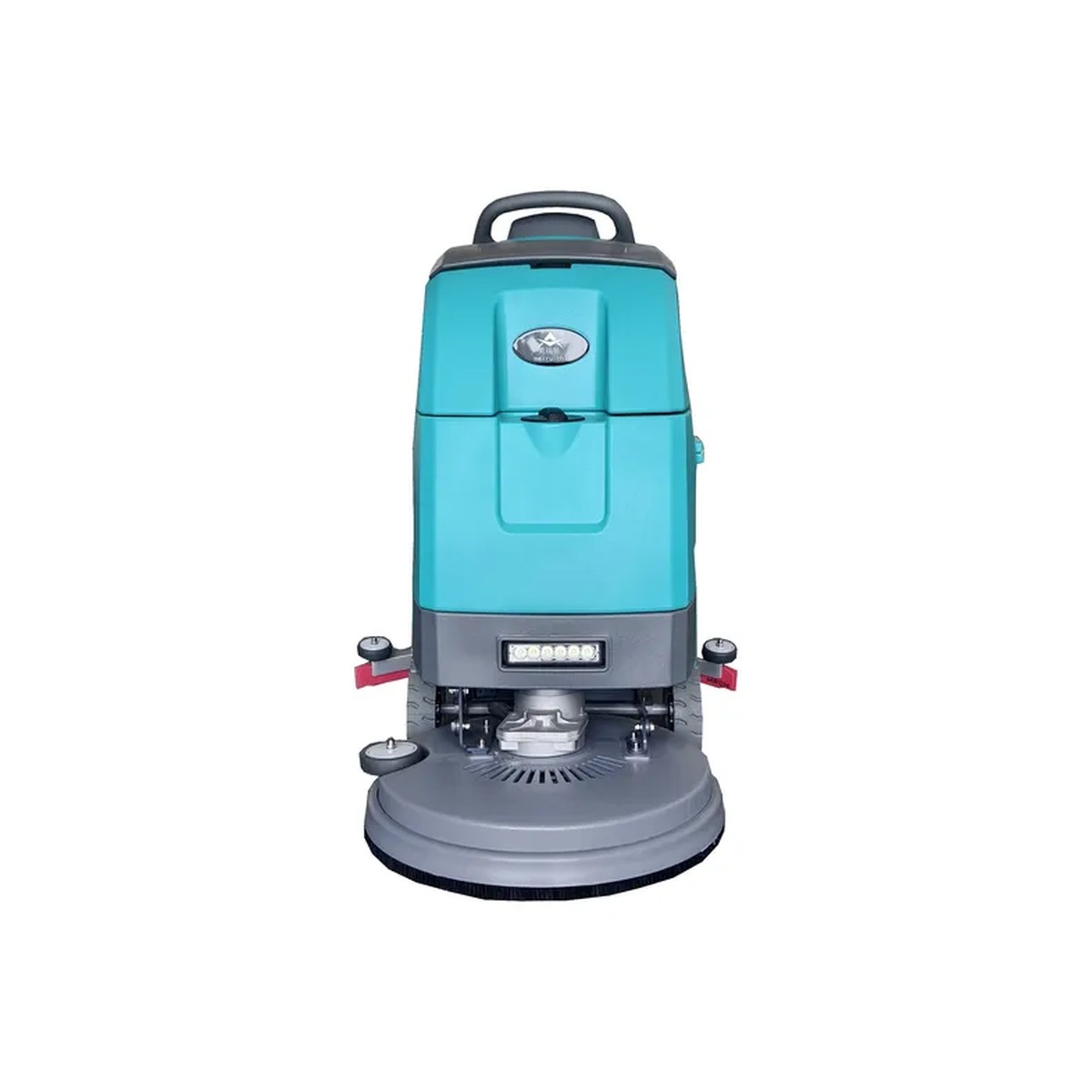
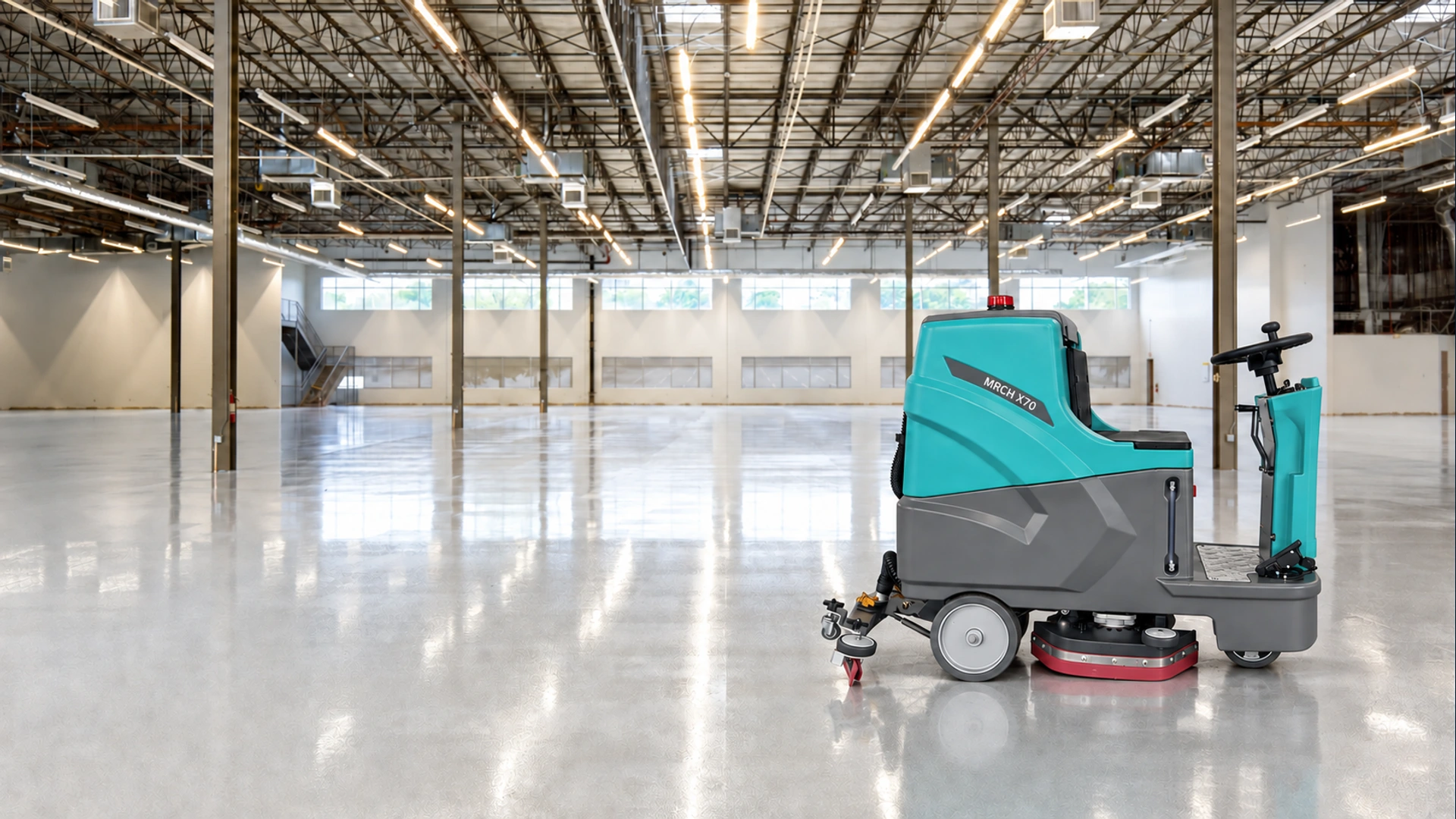
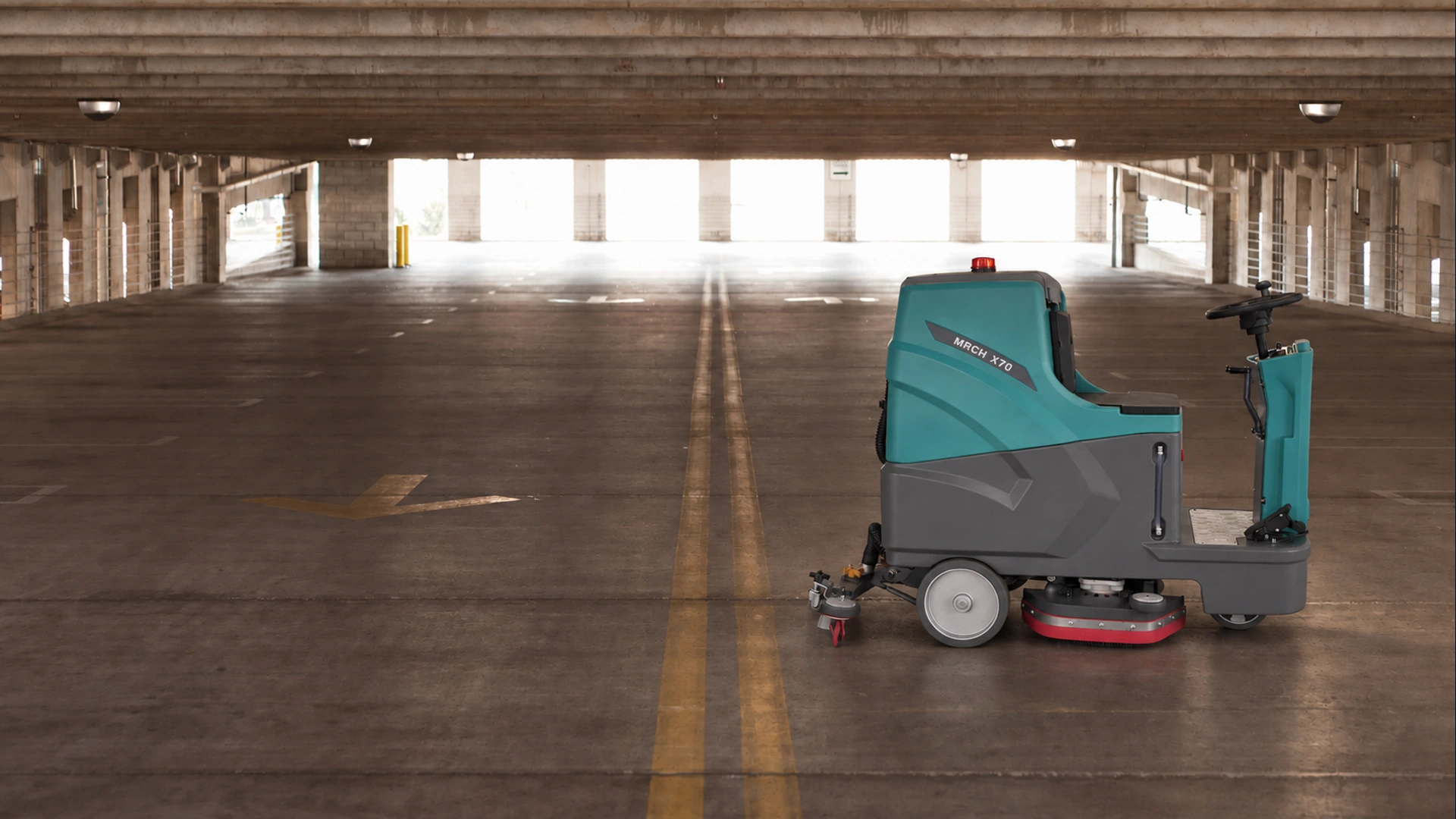
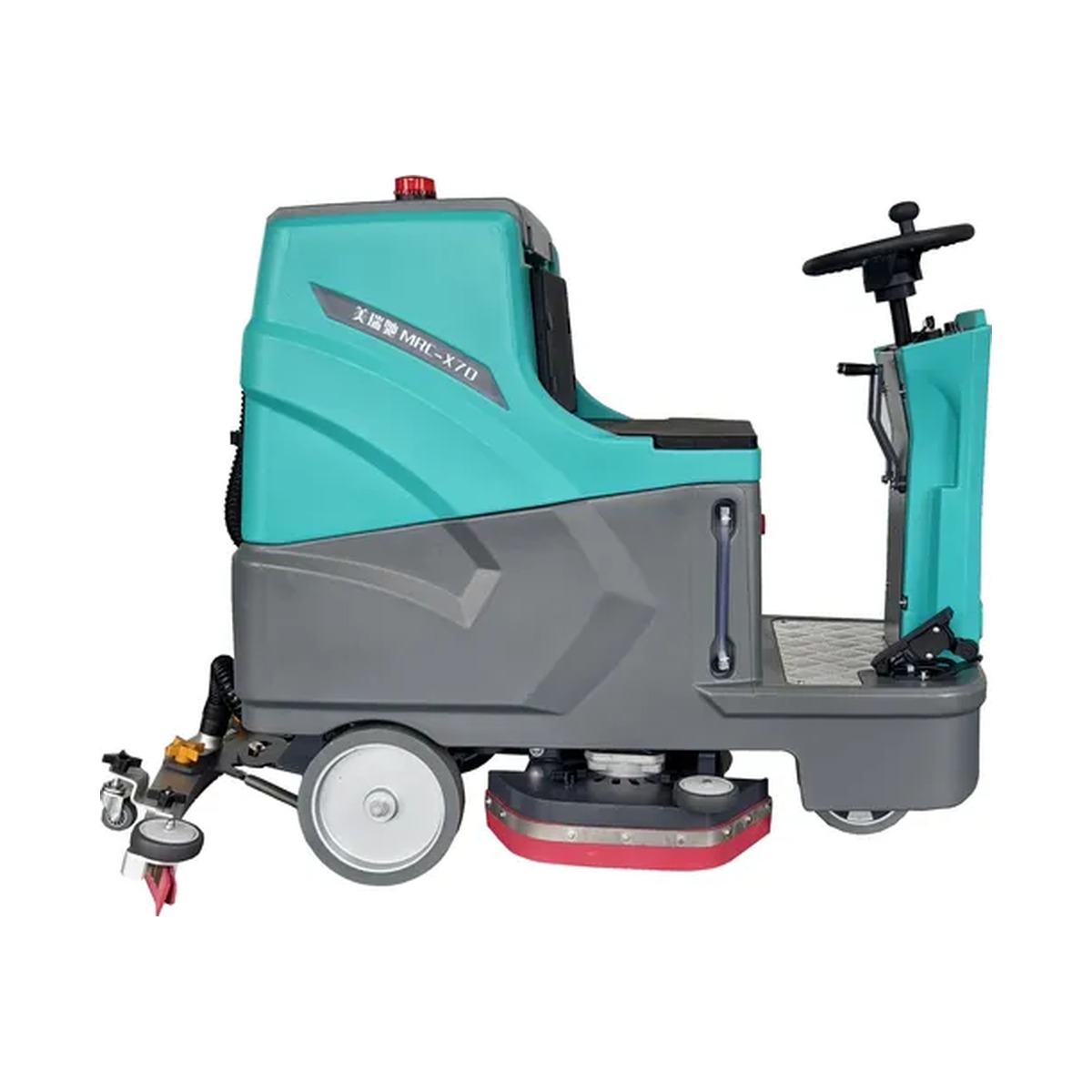
A walk-behind scrubber is a useful category to compare for tighter routes. A ride-on model may suit more open areas if the full route allows access. Remove suitable loose debris before wet scrubbing and confirm the working tool for the store floor.

Plan the Shift

  • Agree which areas can be cleaned before opening or after closing.
  • Include refilling, emptying, inspection and storage time.
  • Identify any site requirement for sound level and request model documentation.
  • Check recovered-water handling and the condition of the floor before reopening the route.

Turn the Plan into a Quotation

Send the layout, access dimensions, photographs, cleaning window and order requirements. Review the exact machine, accessories and service consumables in the proposal. Actual working time and suitability remain to be checked at the site.

Read the retail application guide or discuss your store.
THE CHALLENGE

Make the difficulty visible before explaining the answer.

Use specific operational constraints, conflicting requirements or information gaps.

CHALLENGE IMAGE1200 × 900 pxReplace this image in the case-study system
01

[Challenge or risk]

Describe what was blocking progress or increasing uncertainty.

02

[Constraint or trade-off]

Explain why a simple solution was not suitable.

03

[Required evidence]

State how the final result would be verified.

DECISION & APPROACH

Show how the recommendation was reached.

Explain the options considered and why the selected route was suitable.

SELECTED APPROACH

OPTIONCONSIDERATIONDECISION
[Option A]

[Benefit and limitation]

REVIEWED
[Selected route]

[Why it matched the success criteria]

SELECTED
01

Clarify

Confirm requirements and evidence standards.

02

Review

Compare routes and document trade-offs.

03

Implement

Complete the work with visible checkpoints.

04

Verify

Review evidence before handover.

VERIFIED RESULTS

Separate evidence from promotional claims.

Lead with approved numbers or observable operational changes.

01[RESULT 01]

Primary improvement

Use one approved result that matters to the customer.

02[RESULT 02]

Supporting evidence

Add time saved, risk reduced or clarity gained.

03[RESULT 03]

Repeatable outcome

Explain what now works more consistently.

ABOUT THE RESULTS

PROJECT EVIDENCE

Let approved records support the story.

Upload only images and documents permitted for publication.

EVIDENCE IMAGE1200 × 900 pxReplace this image in the case-study system

CUSTOMER OBSERVATION

READY TO START A CONVERSATION?

Turn your requirement into a clear next step.

Share what you need and the right person from the team will respond with practical information.