
ILLUSTRATIVE APPLICATION PLAN

Warehouse Floor Cleaning — Planning Example

An illustrative warehouse plan: separate loading-zone debris from aisle scrubbing, compare access and prepare a model shortlist. No completed project or measured outcome is claimed.
CASE STUDY HERO
01

Use a project, application or delivered-result image. Keep the important subject inside the central safe area.

CUSTOMER CONTEXT[INDUSTRY / APPLICATION]
PROJECT SCOPE[PRODUCT / SERVICE]
PRIMARY OUTCOME[RESULT CATEGORY]
DELIVERY REGIONSite-dependent

A Typical Warehouse Brief

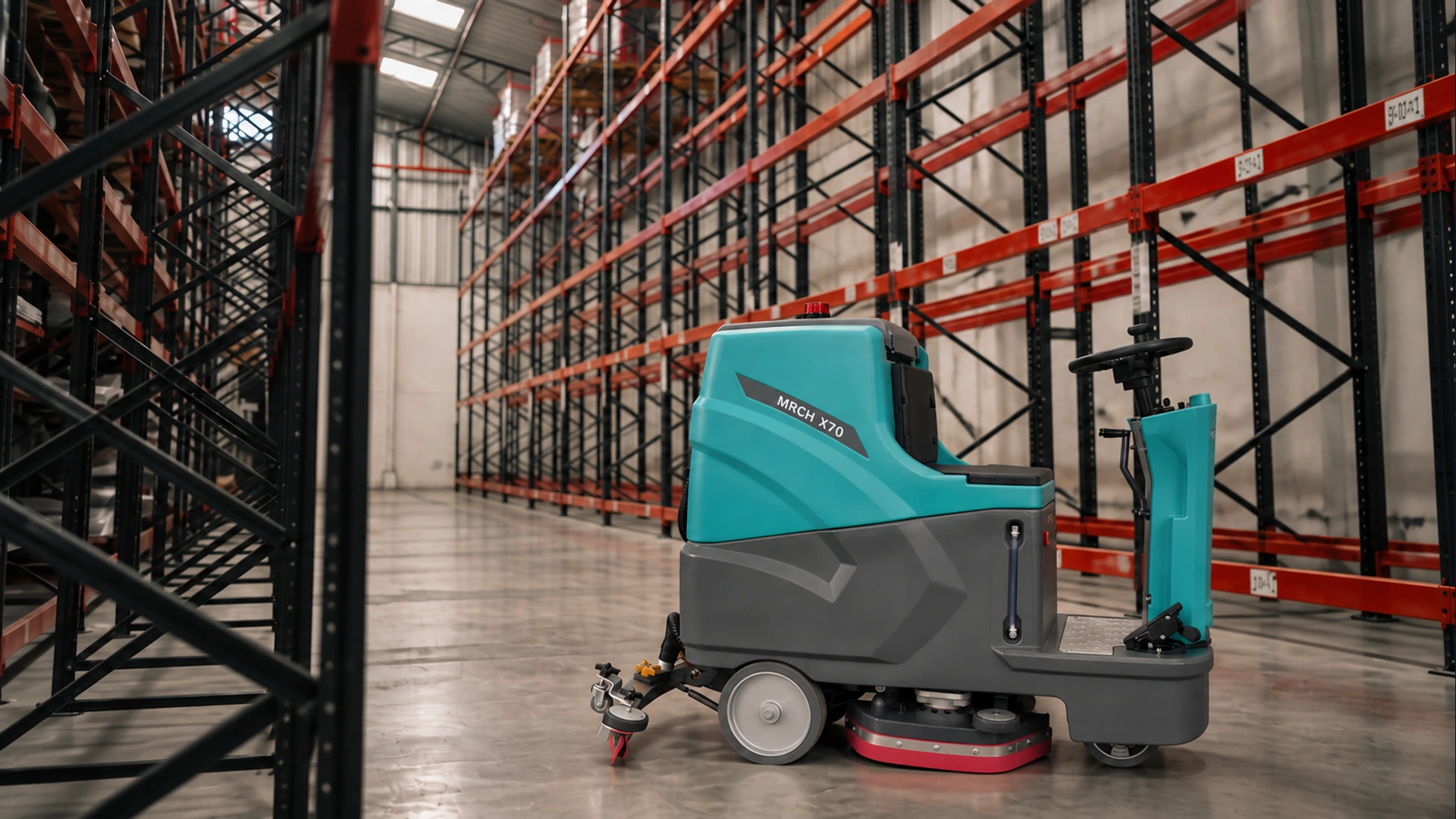
This is an illustrative planning example, not a report of an MRCH customer installation. Consider a warehouse with rack aisles, loading doors and an open dispatch area. The useful first step is to list the jobs in each zone rather than specify one machine for the entire building.

Separate the Jobs

Record loose debris around loading areas, tracked-in dirt along transport routes and the floor finish in the storage aisles. Identify oversized packaging material that should be removed before mechanized cleaning. Keep point cleanup around workstations separate from route-based floor maintenance.

Build the Equipment Shortlist

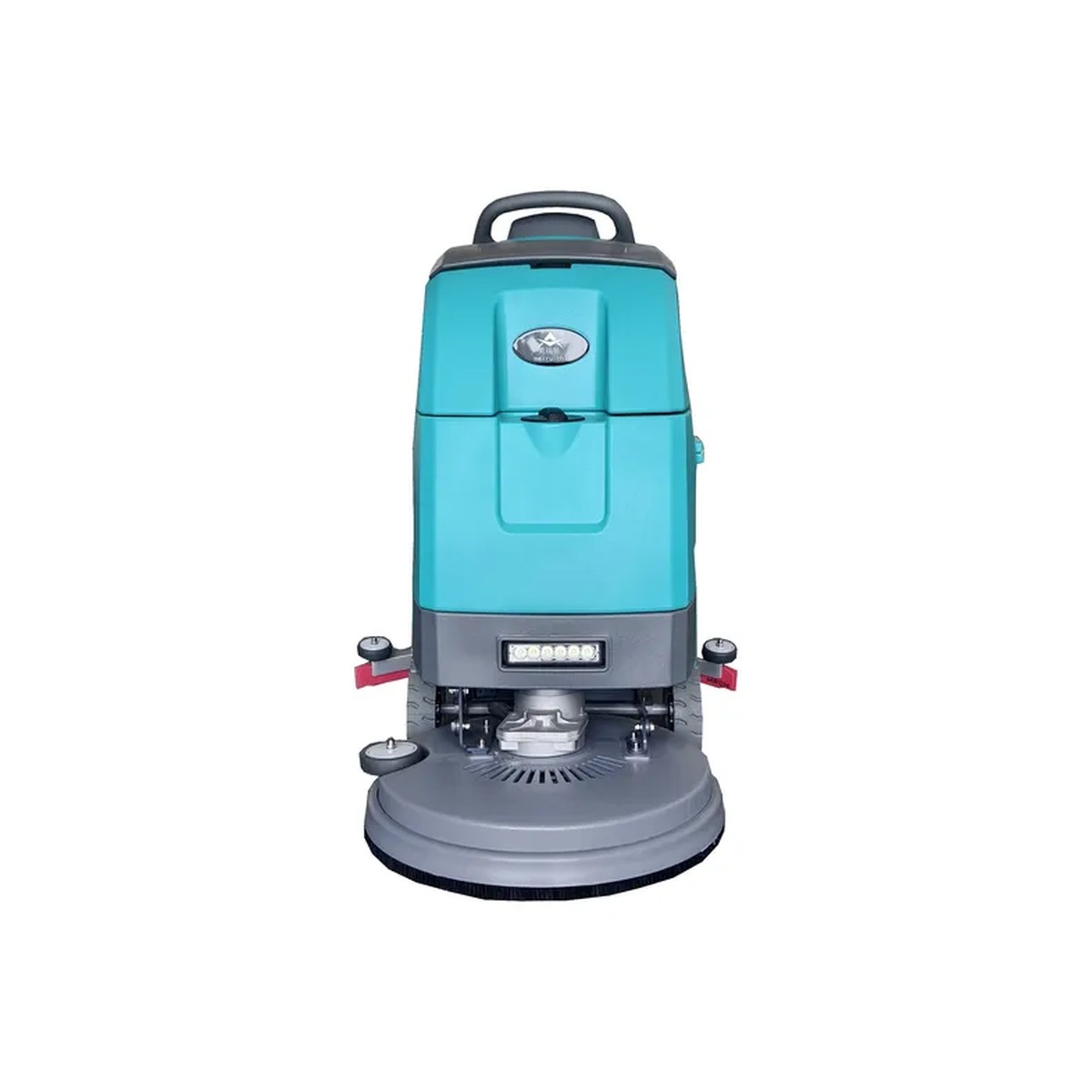
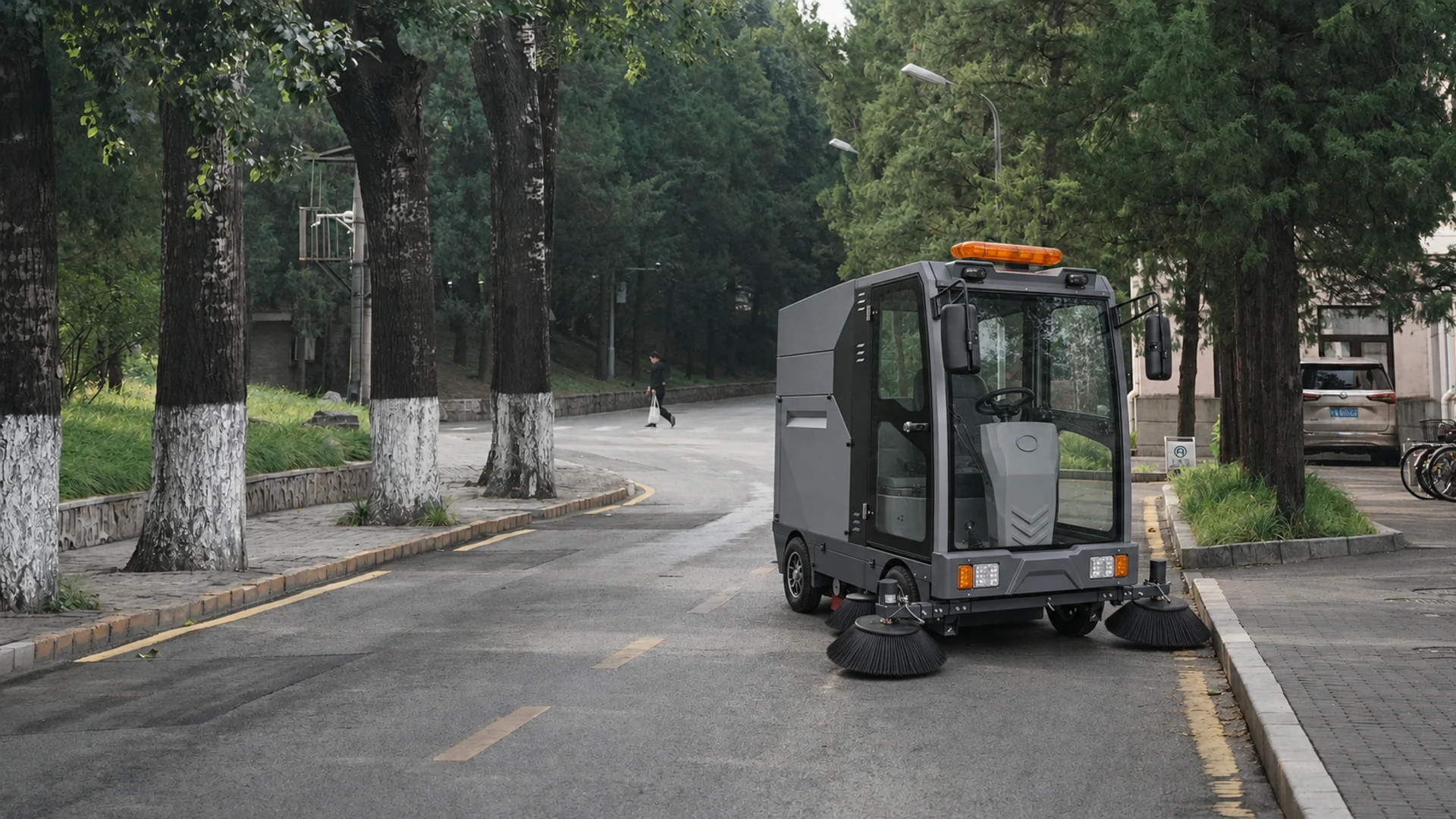
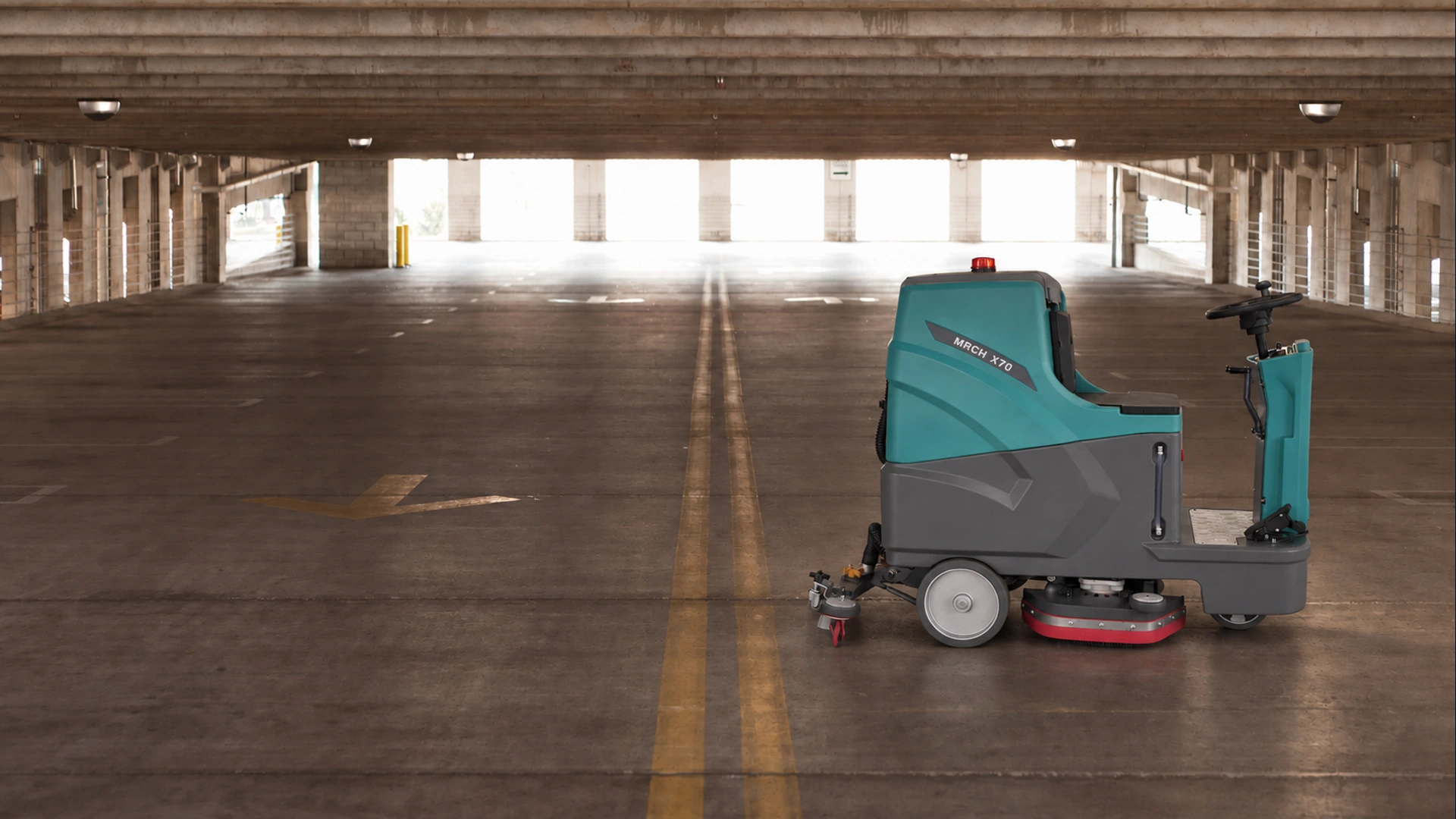
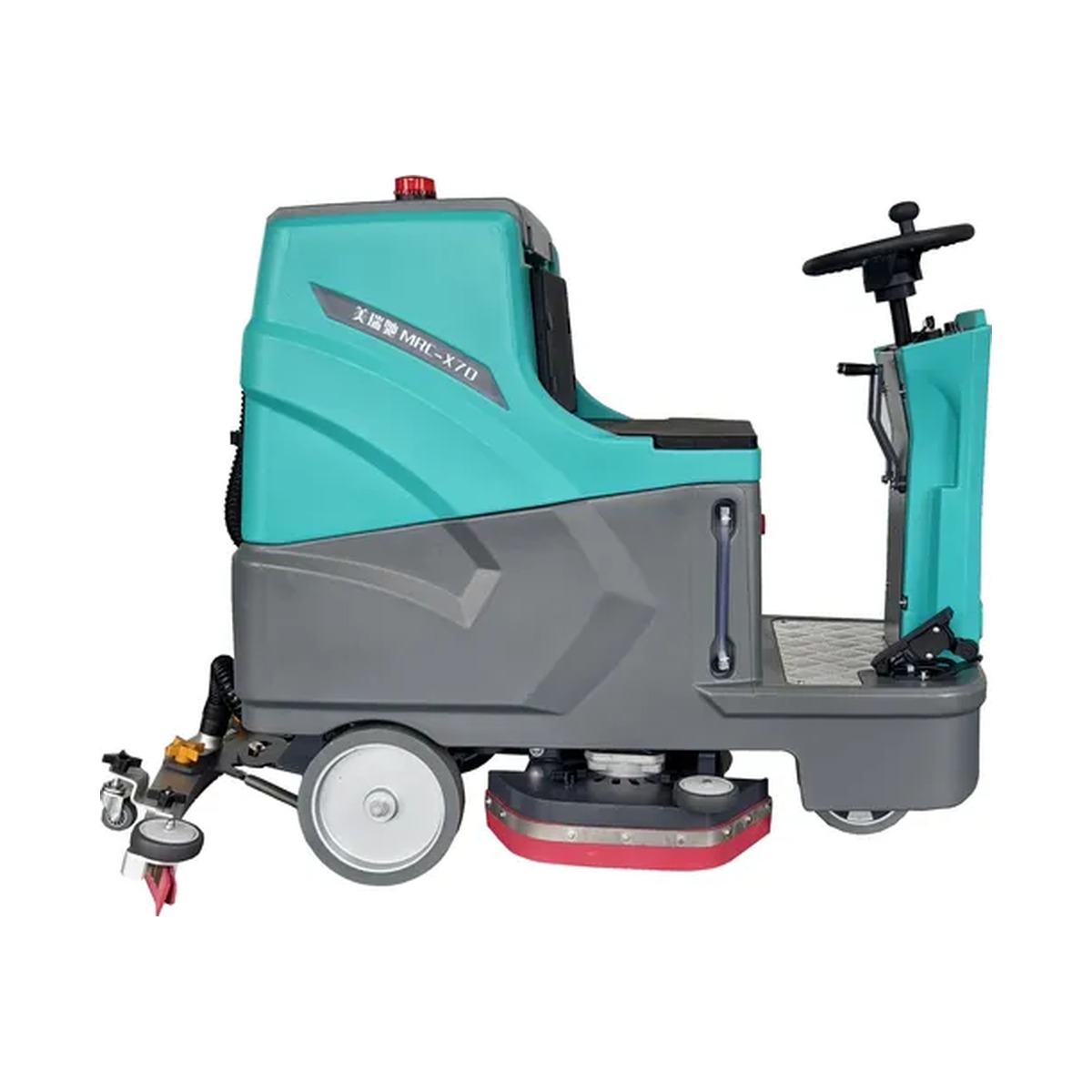
Compare a ride-on scrubber for open wet-cleaning routes with a walk-behind scrubber where access is tighter. Consider a sweeper for suitable loose debris. Measure the doorway, turning area and full working attachments before keeping a model on the shortlist.

Prepare the Enquiry

  • Provide a route sketch and photographs of the main residue.
  • State usable floor area and the cleaning window between operations.
  • Identify water, emptying, charging and machine-storage locations.
  • Request exact model dimensions, tank or collection capacity and included tools.

What Remains to Be Validated?

The site team still needs to check floor compatibility, real route time, water recovery and servicing arrangements. No capacity, cost saving or cleaning result is assumed in this example.

Continue with the warehouse application guide or send your own site brief.
THE CHALLENGE

Make the difficulty visible before explaining the answer.

Use specific operational constraints, conflicting requirements or information gaps.

CHALLENGE IMAGE1200 × 900 pxReplace this image in the case-study system
01

[Challenge or risk]

Describe what was blocking progress or increasing uncertainty.

02

[Constraint or trade-off]

Explain why a simple solution was not suitable.

03

[Required evidence]

State how the final result would be verified.

DECISION & APPROACH

Show how the recommendation was reached.

Explain the options considered and why the selected route was suitable.

SELECTED APPROACH

OPTIONCONSIDERATIONDECISION
[Option A]

[Benefit and limitation]

REVIEWED
[Selected route]

[Why it matched the success criteria]

SELECTED
01

Clarify

Confirm requirements and evidence standards.

02

Review

Compare routes and document trade-offs.

03

Implement

Complete the work with visible checkpoints.

04

Verify

Review evidence before handover.

VERIFIED RESULTS

Separate evidence from promotional claims.

Lead with approved numbers or observable operational changes.

01[RESULT 01]

Primary improvement

Use one approved result that matters to the customer.

02[RESULT 02]

Supporting evidence

Add time saved, risk reduced or clarity gained.

03[RESULT 03]

Repeatable outcome

Explain what now works more consistently.

ABOUT THE RESULTS

PROJECT EVIDENCE

Let approved records support the story.

Upload only images and documents permitted for publication.

EVIDENCE IMAGE1200 × 900 pxReplace this image in the case-study system

CUSTOMER OBSERVATION

READY TO START A CONVERSATION?

Turn your requirement into a clear next step.

Share what you need and the right person from the team will respond with practical information.