
Ride-On Floor Scrubbers
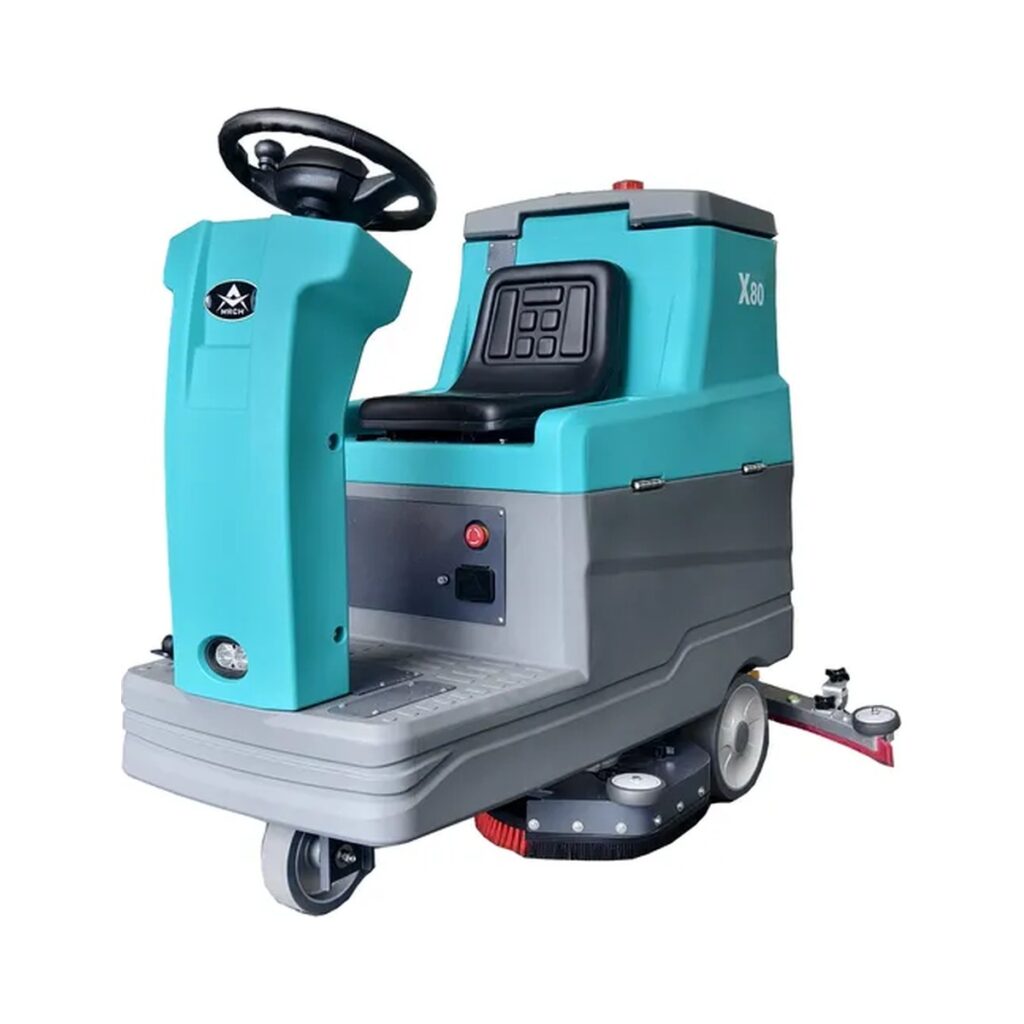
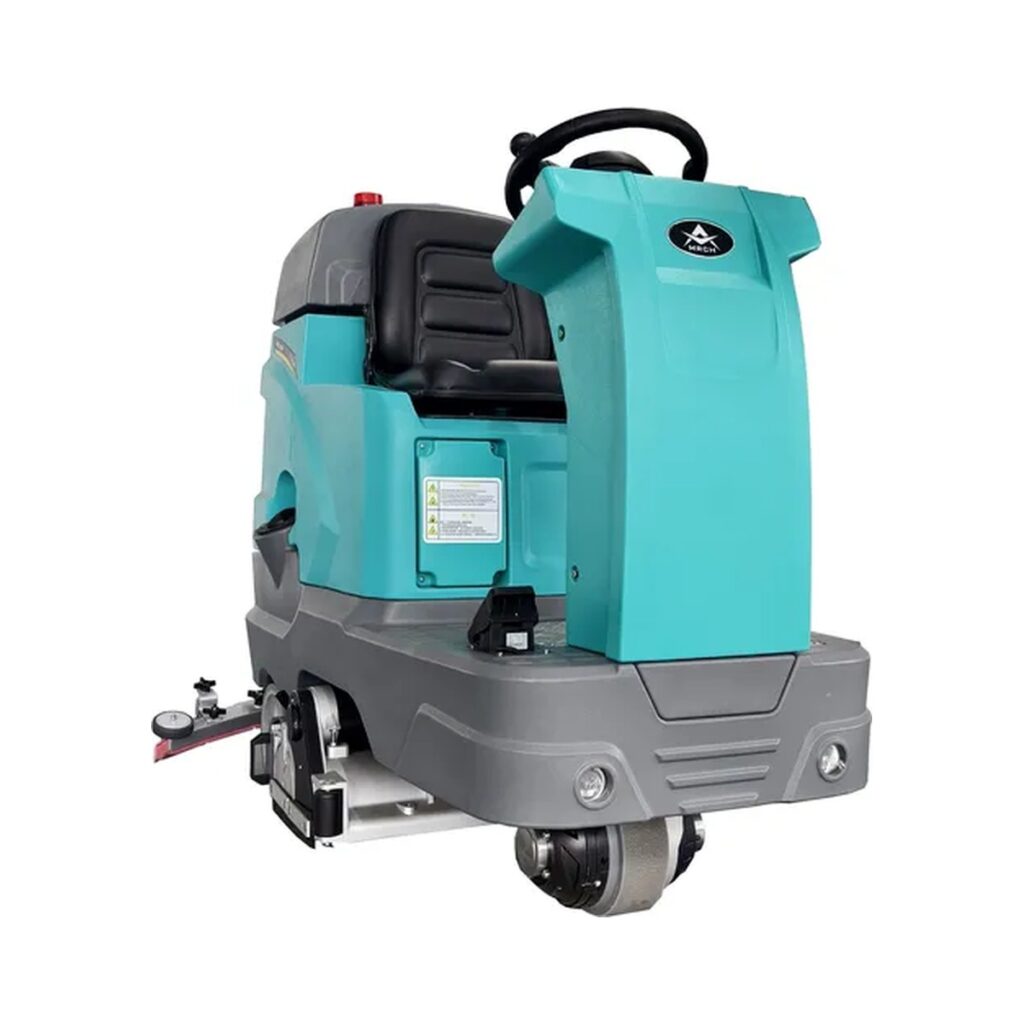
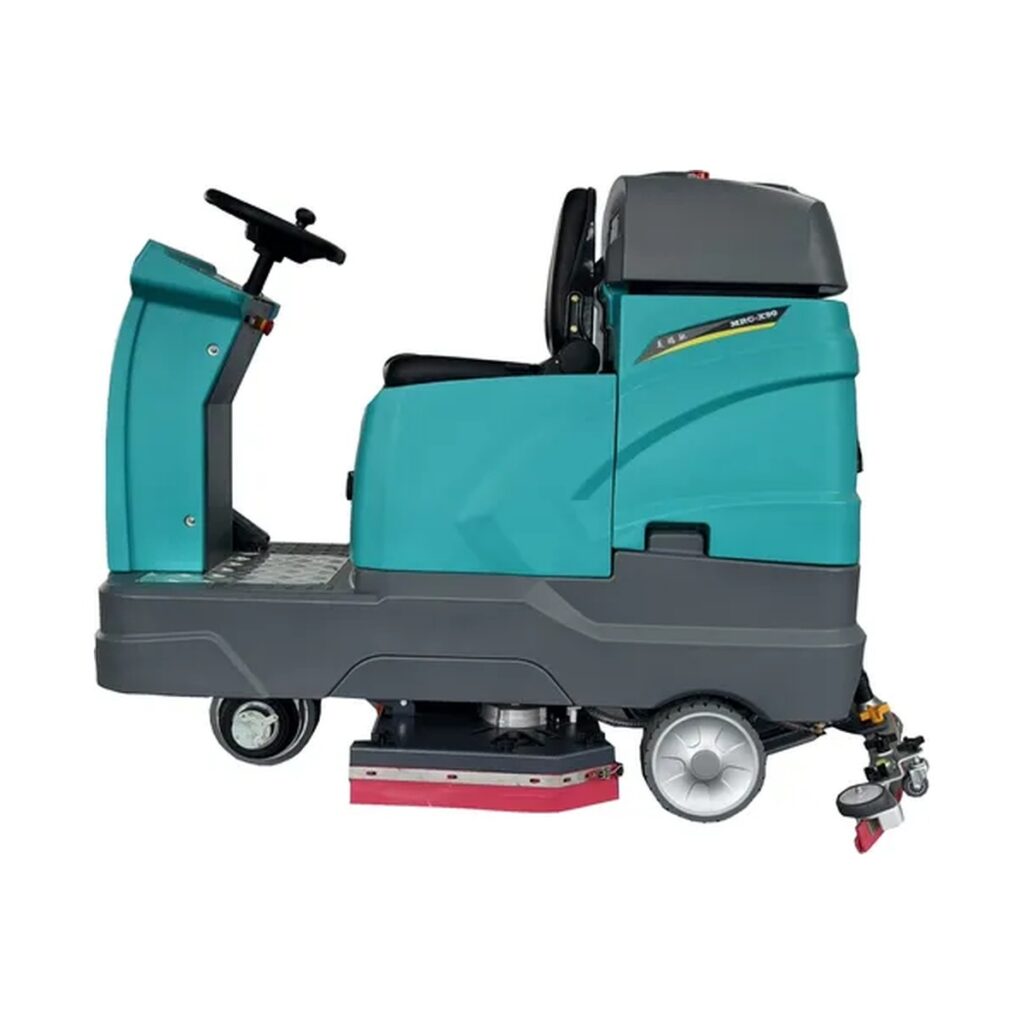
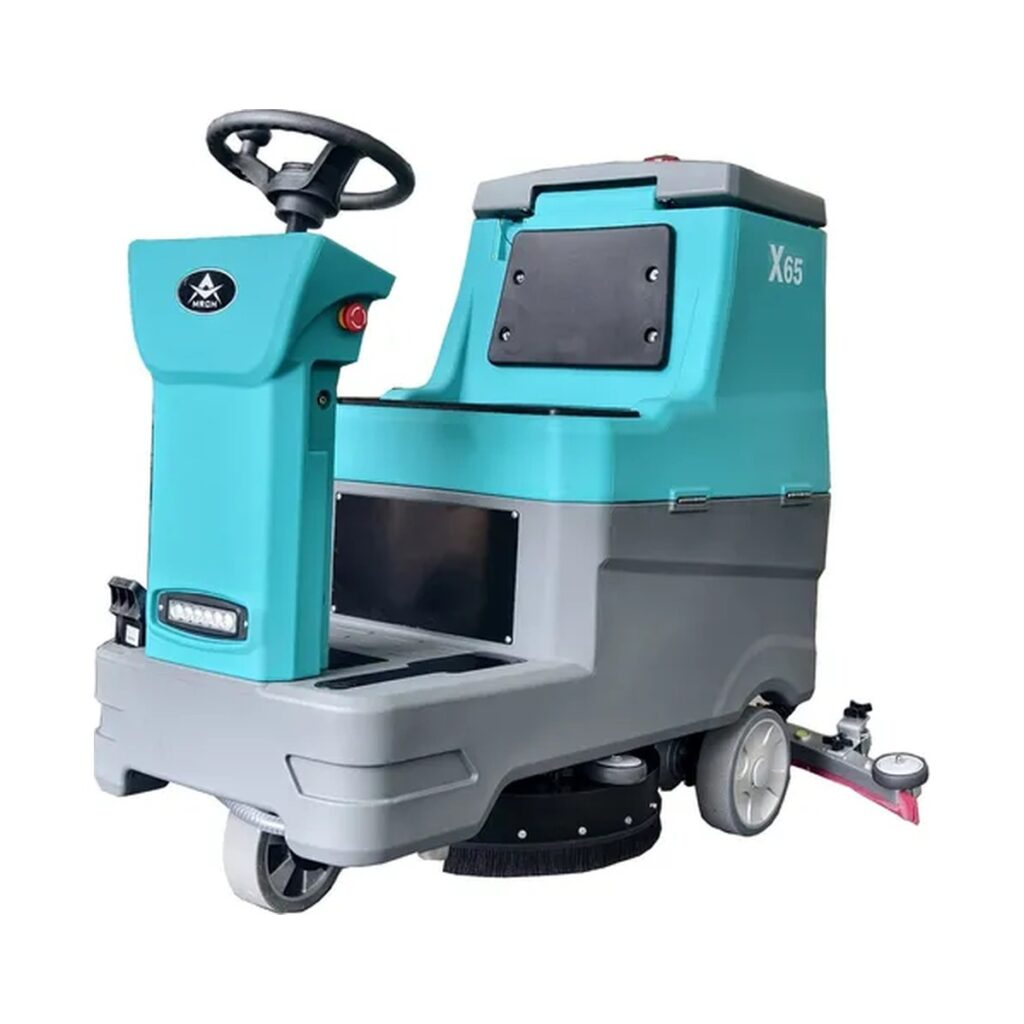
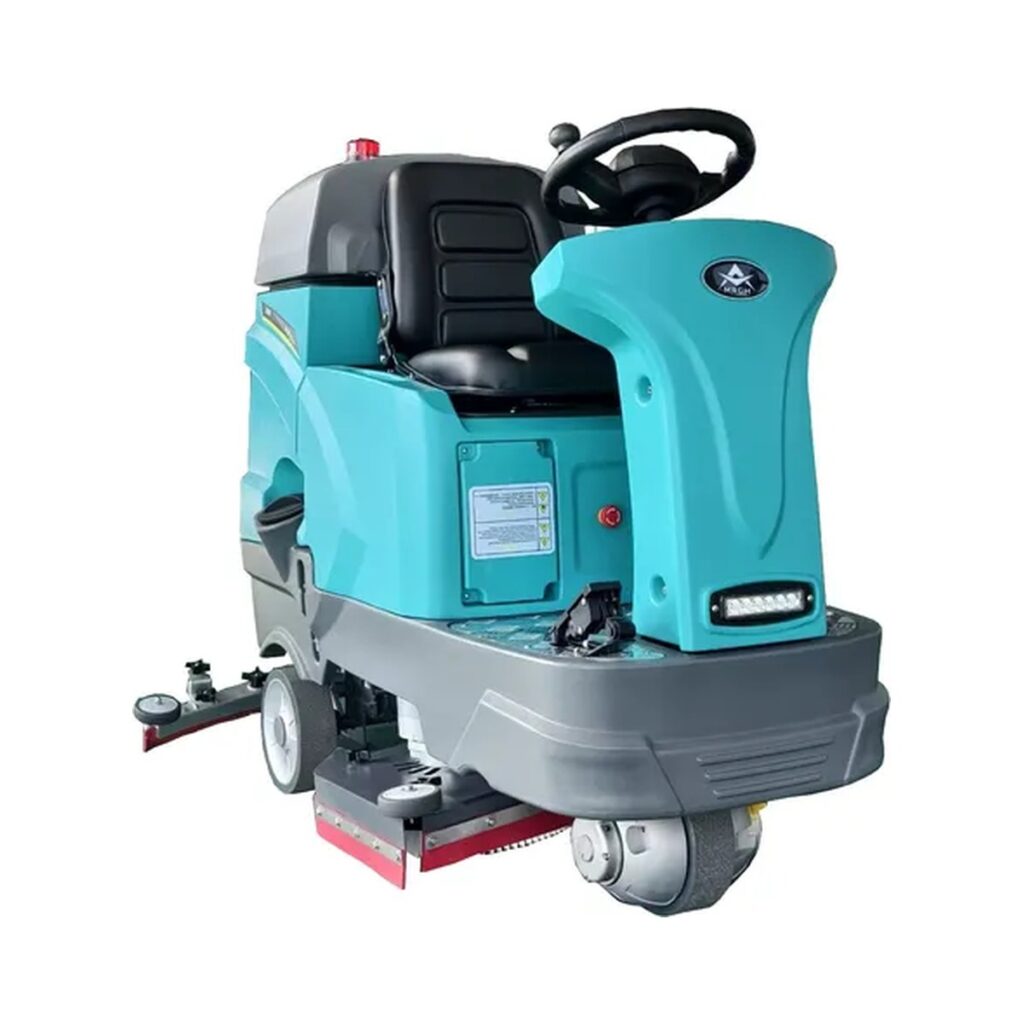
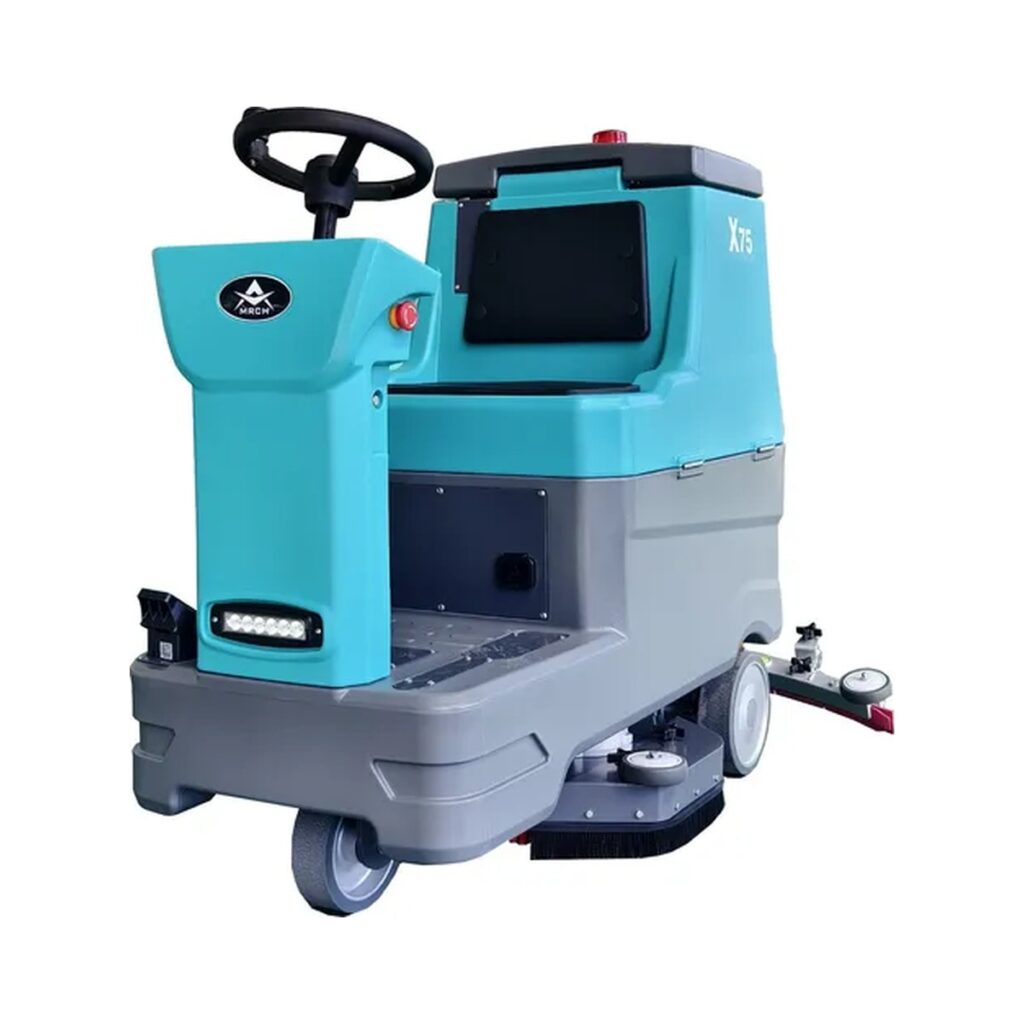
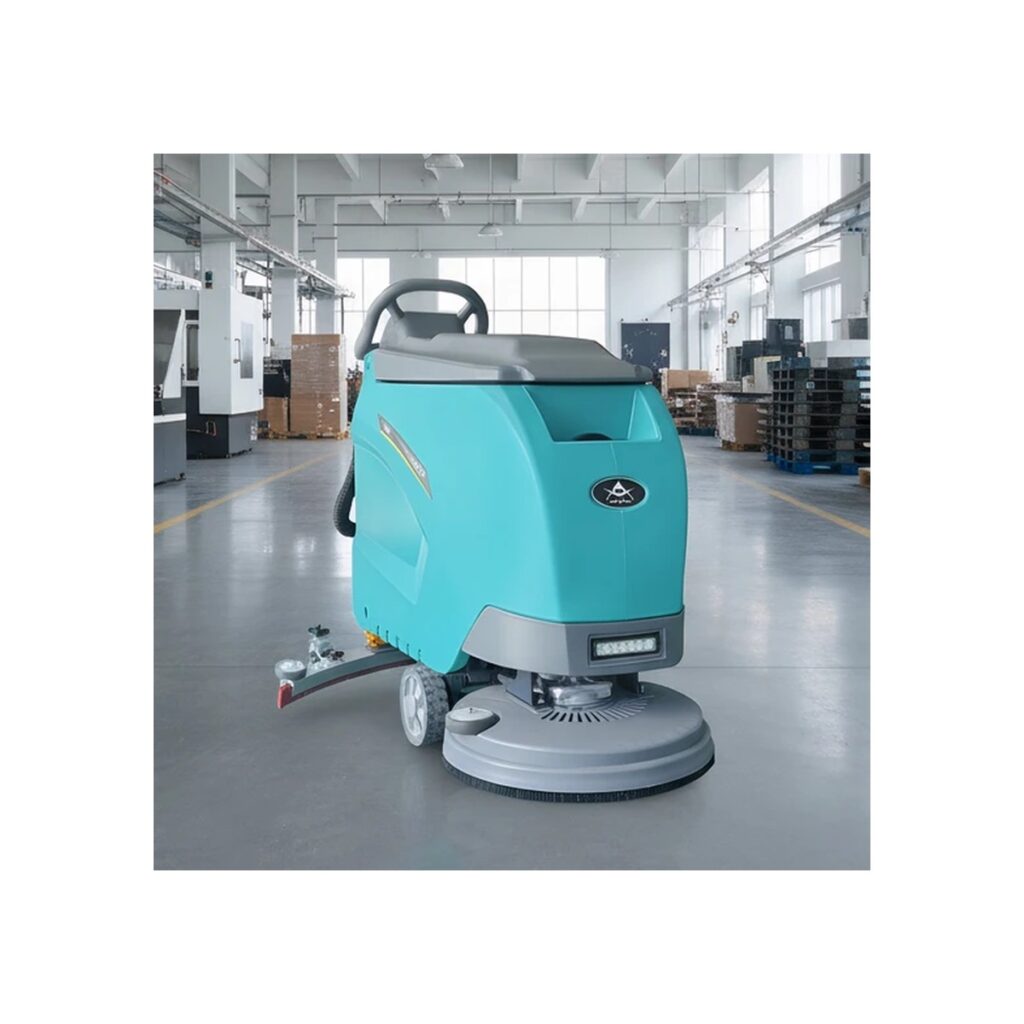
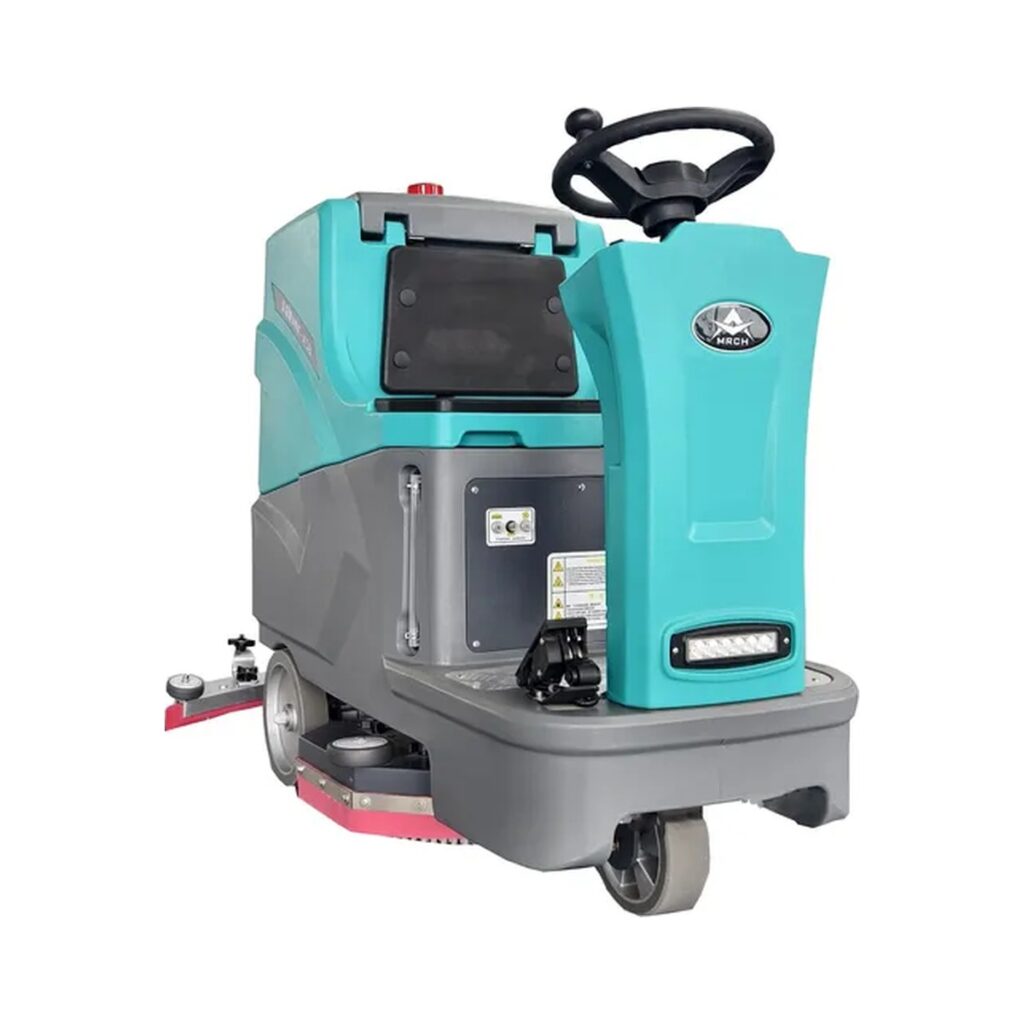
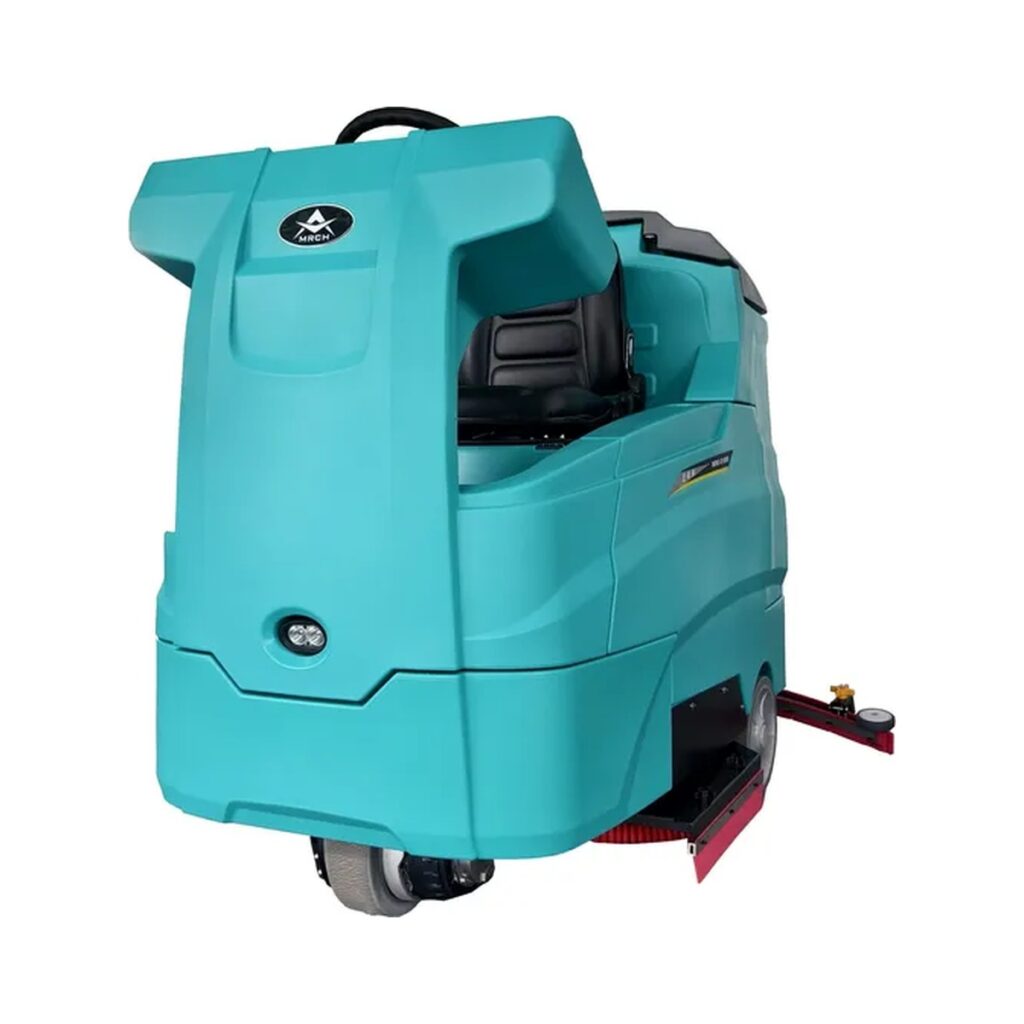
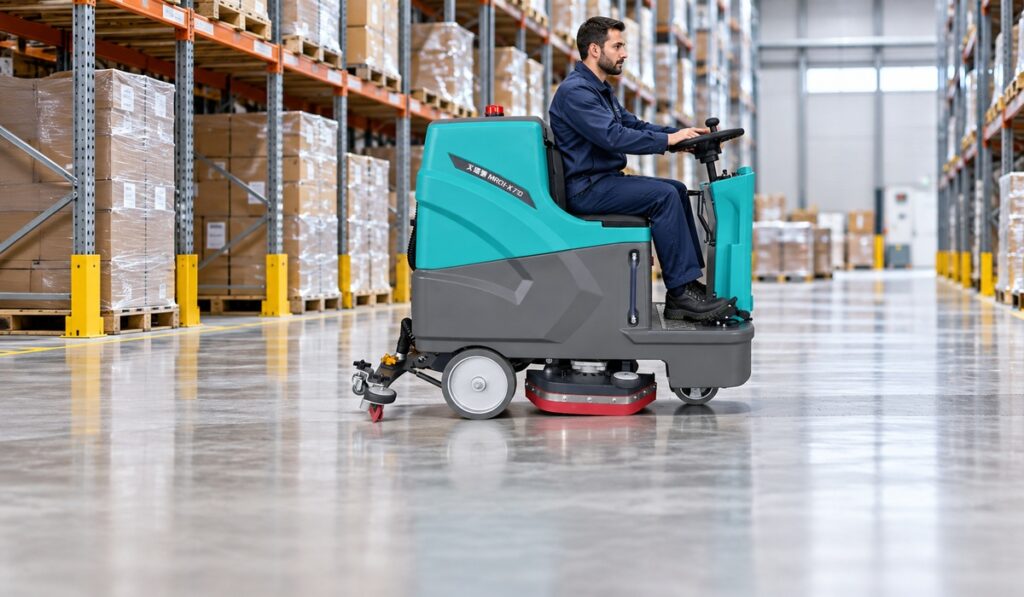
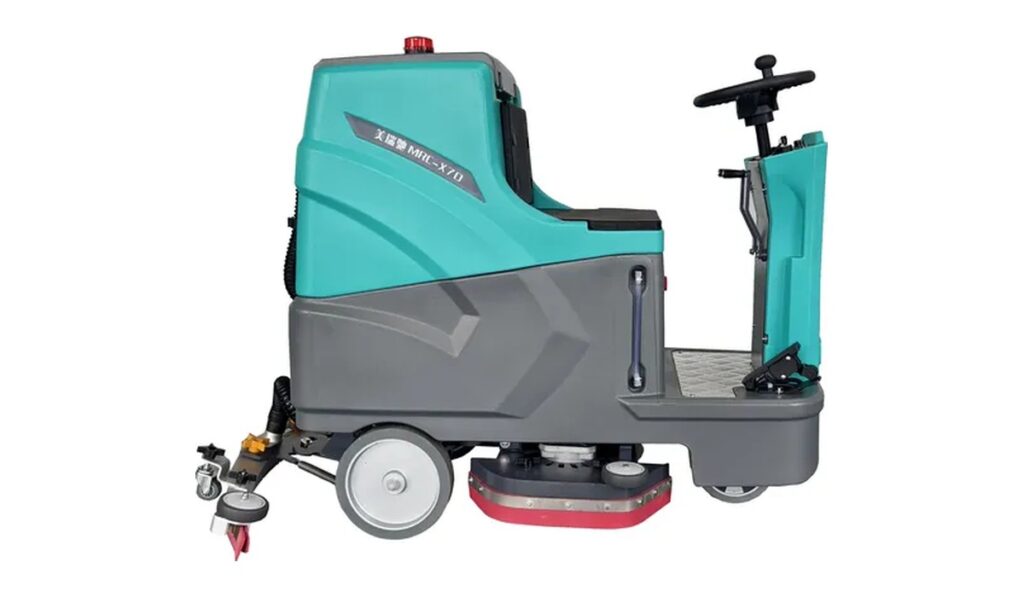
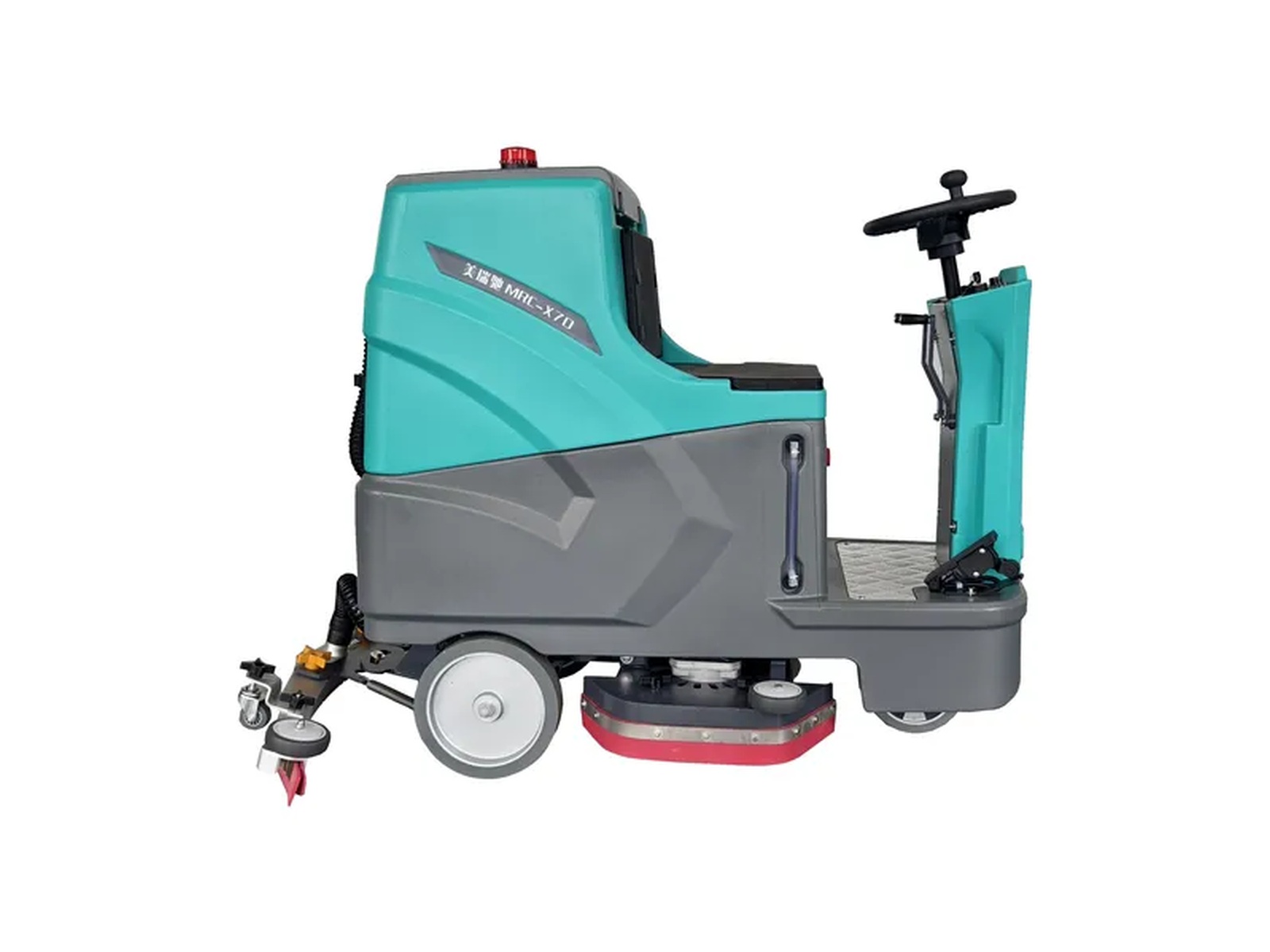
Compare seated floor scrubbers for long cleaning routes and larger open areas. Review access, tank capacity and battery configuration.
Compare Ride-On Scrubbers →Compare MRCH ride-on and walk-behind floor scrubber dryers for factories, warehouses and commercial facilities. Explore 17 model families, compare solution and recovery tanks, and shortlist machines around your cleaning route, operating space and battery requirements.
Start with the way your team moves through the building: open routes or frequent turns, wide aisles or restricted access.

Compare seated floor scrubbers for long cleaning routes and larger open areas. Review access, tank capacity and battery configuration.
Compare Ride-On Scrubbers →
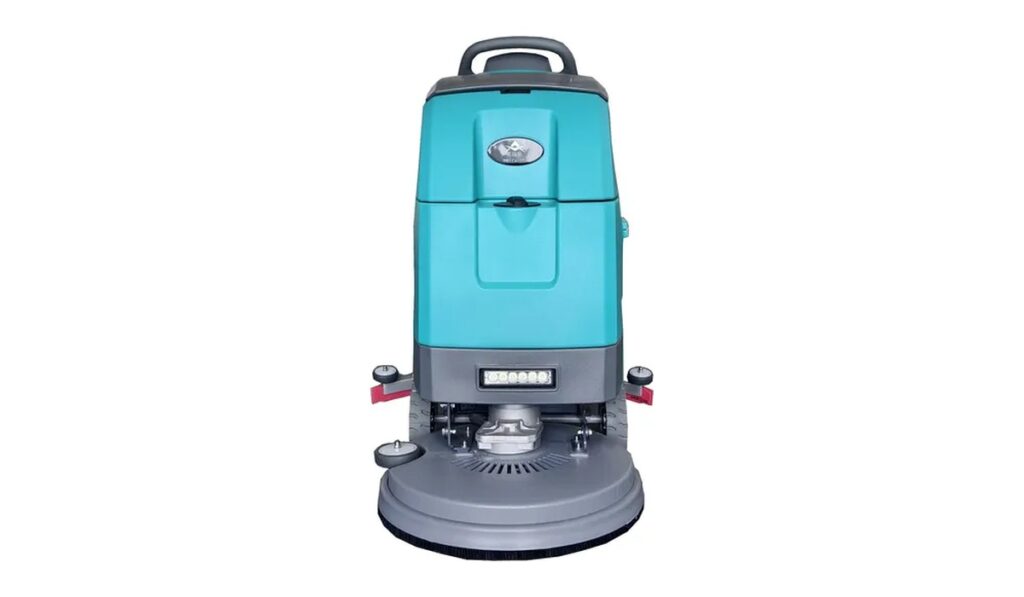
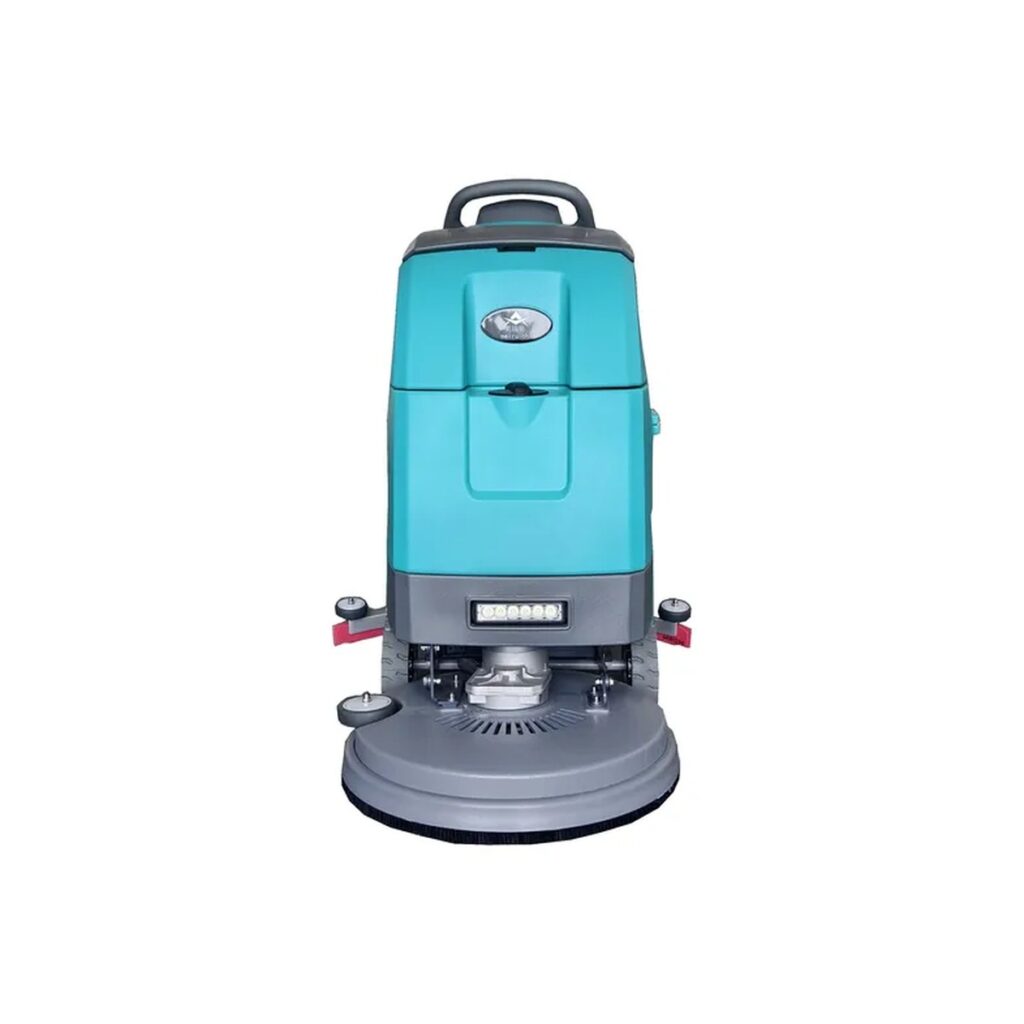
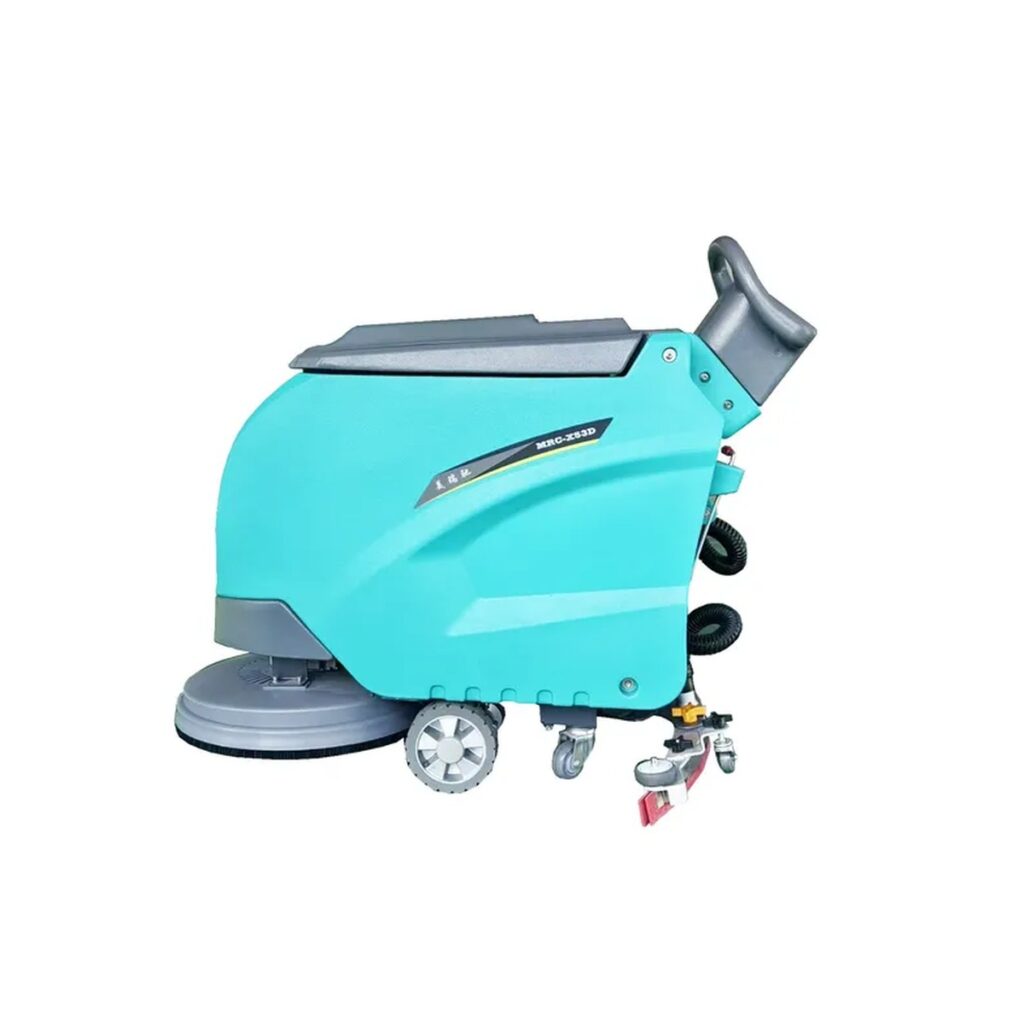
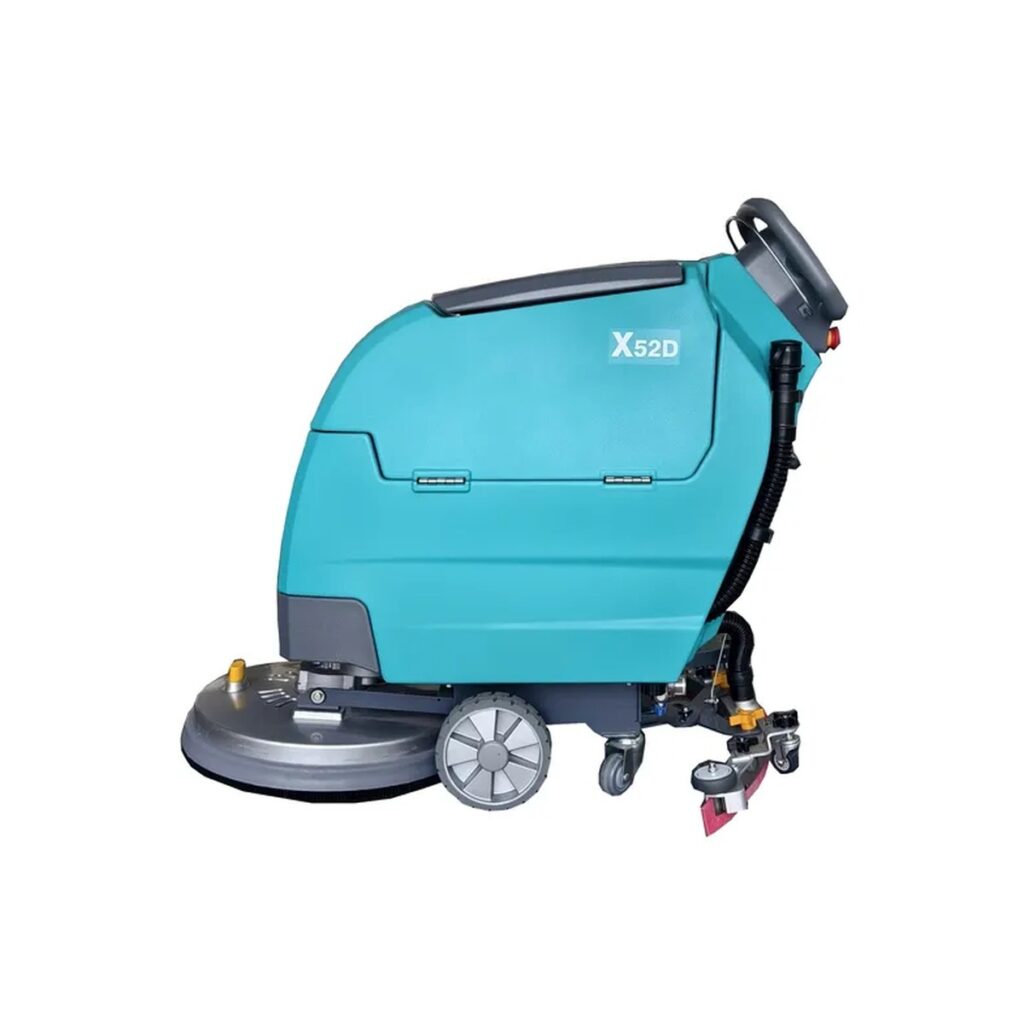
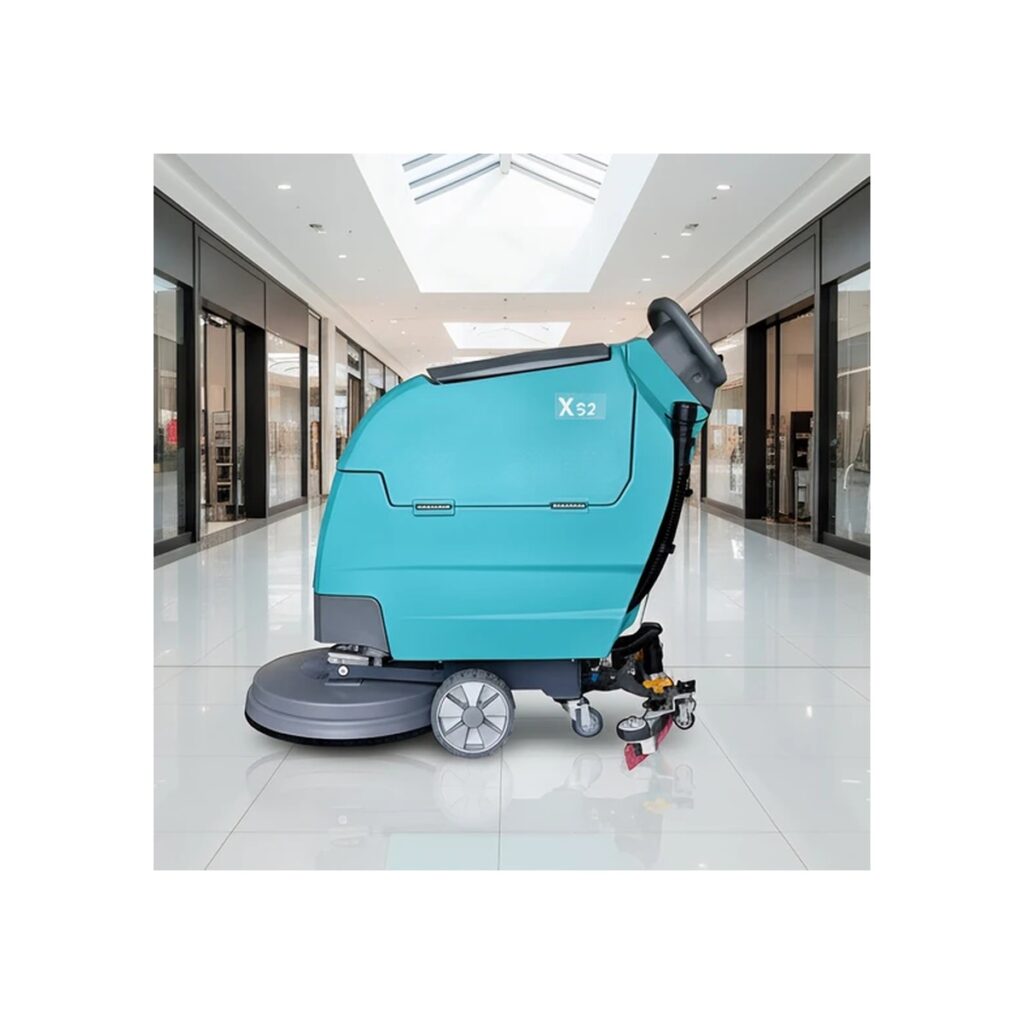
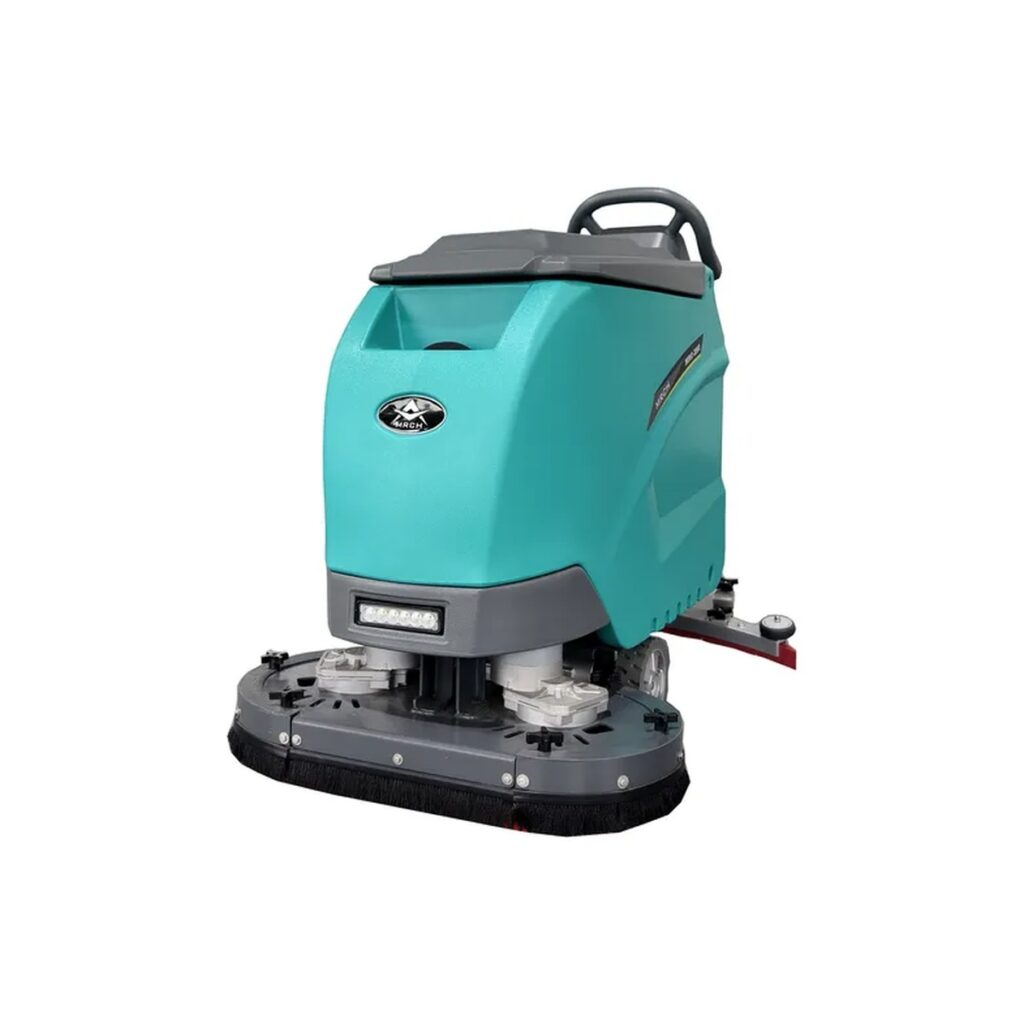
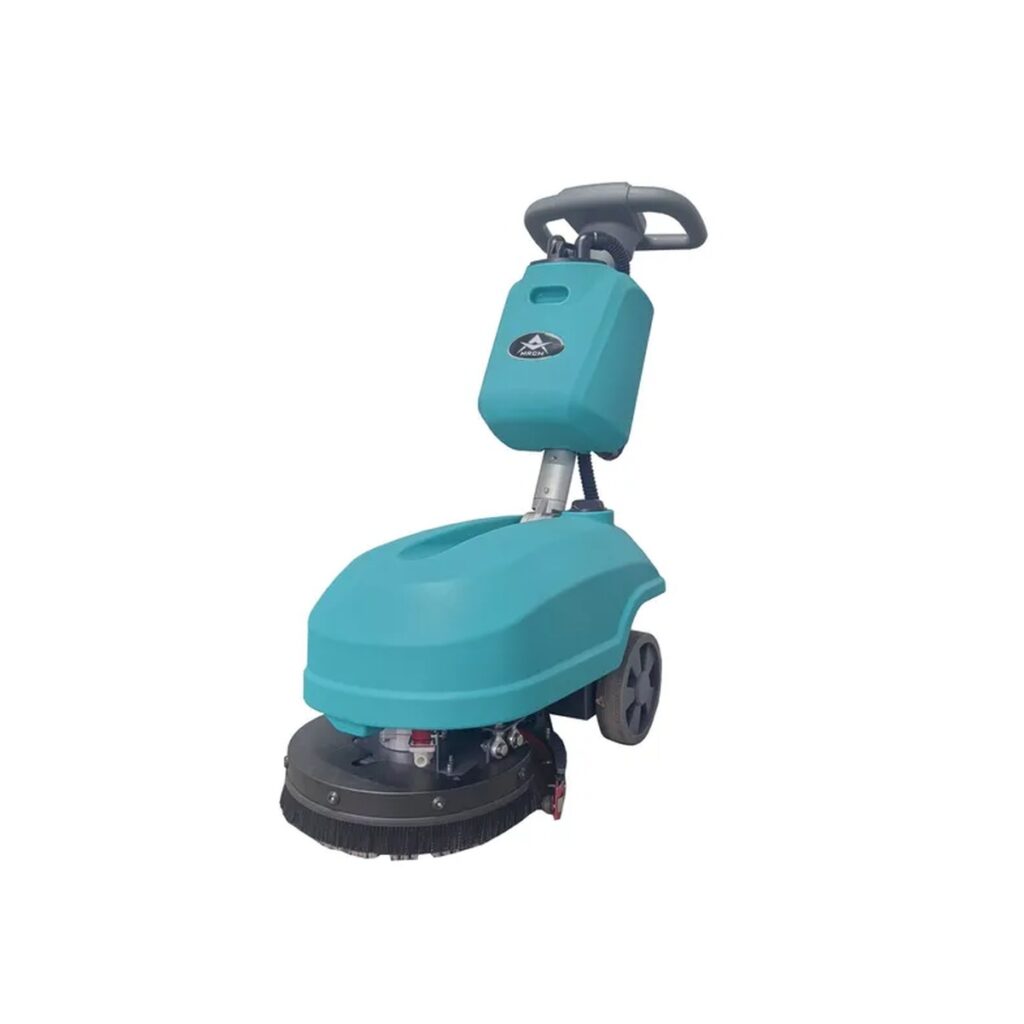
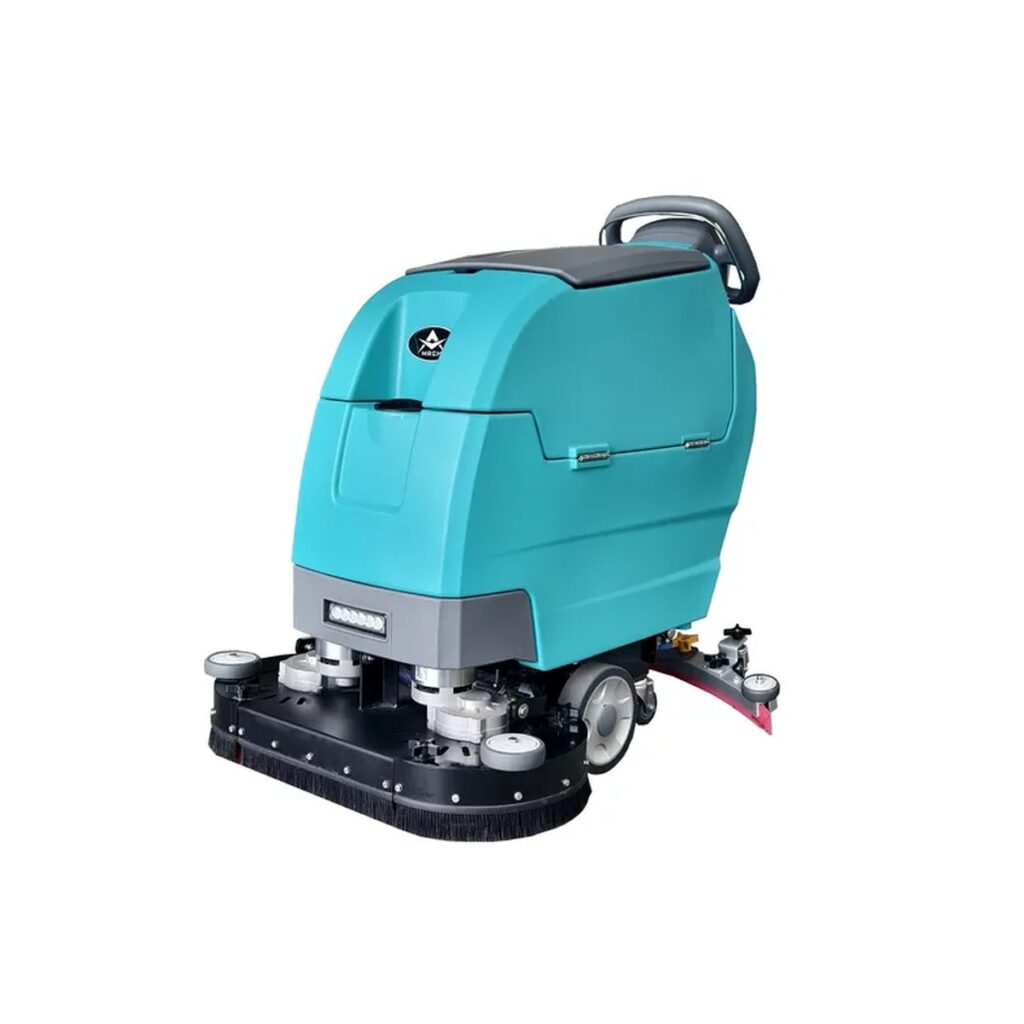
Compare compact and walk-behind scrubbers for aisles and frequent turns. Check the cleaning tool, water tanks and operating space.
Compare Walk-Behind Scrubbers →Shortlist one representative listing per model family. Filter by operating format, solution-tank capacity and listed battery runtime, then open the model for its full specifications.
Filter the representative models displayed below. Values are listed specifications; confirm the final configuration before ordering. Runtime ranges use the lower listed value and are not a site-specific guarantee.
No matching models. Clear a filter or reset to view the range.
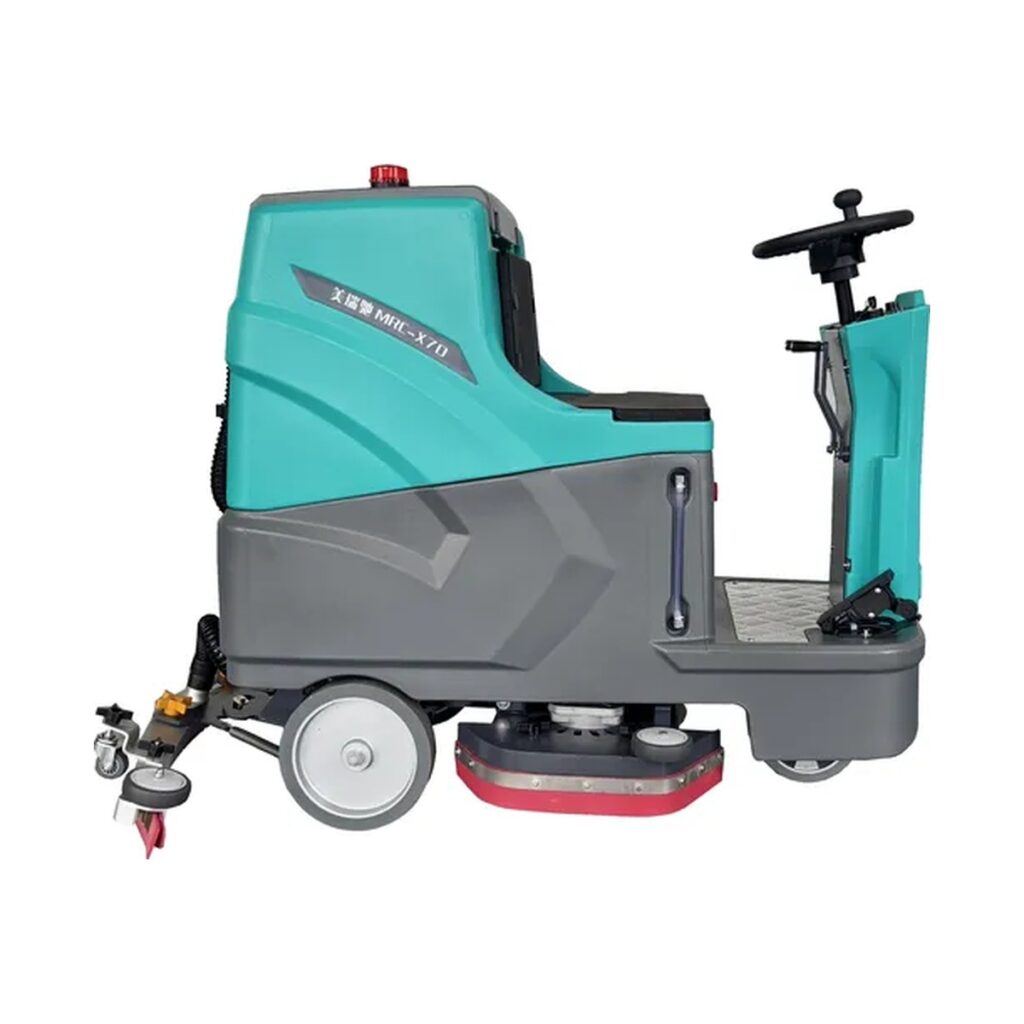
The best fit depends on usable floor area, access and the time available for cleaning. A wide machine may suit an open warehouse yet slow down in congested aisles. Compare the whole route, including turns, doors, lifts, filling points and the charging location.
A ride-on floor scrubber is worth comparing for long routes and larger open areas. A walk-behind machine suits layouts with more obstacles and frequent direction changes. Measure the narrowest access point and turning space, including the fitted rear squeegee, before choosing either format.
Route and access firstSolution capacity influences how often the machine needs refilling. Recovery capacity determines how much dirty liquid it can collect before emptying. MRCH model records list pairs from 13/15 L on X35 to 280/300 L on X1020; tank size should be considered alongside machine dimensions and weight.
Compare both tanks in litresBrush or pad choice, floor finish, dirt and water recovery all affect the result. Check the cleaning path separately from the squeegee width. For coated concrete, tile or other hard surfaces, review the floor supplier’s care instructions and test the proposed cleaning method on a small area.
Surface, tool and recoveryListed runtime is a planning reference, not a guaranteed shift length. Battery specification, charge condition, brush load and operating mode affect endurance. Allow time for turns, filling, draining and daily care when translating published area performance into a practical cleaning schedule.
Plan the complete cleaning shiftRepresentative model values from MRCH product records. Solution / recovery refers to the clean-water and dirty-water tanks. Confirm the selected battery, dimensions and cleaning-path specification with the factory before ordering.
Meiruichi manufactures cleaning equipment in Wuhu, China, and accepts OEM and ODM inquiries. Start from a listed model and submit a clear requirement sheet so that the factory can review the proposed configuration, branding, documentation and order quantity.
Share the floor finish, daily cleaning area, debris, aisle width and available cleaning window. Specify whether the machine will travel through ramps, doors or lifts so the quoted dimensions and operating limits can be checked.
Confirm the proposed battery type, capacity, charger input and site power supply. Request the relevant charging and storage instructions for that configuration rather than assuming every model uses the same battery arrangement.
Provide your logo files, preferred appearance, label language, packaging needs and quantities for feasibility review. Available changes, minimum quantities and lead time are confirmed in the quotation.
Request the model-specific consumables list, operating manual, parts information and applicable conformity documents. Agree the supplied brushes or pads, squeegee blades, charger and other accessories in the order specification.
Warehouses need route and aisle planning; factories must account for the floor finish and production layout; parking garages need clearance checks; retail sites need a cleaning schedule around foot traffic. Open the relevant application for the next selection step.

Plan cleaner warehouse aisles, loading zones and dispatch floors. Compare MRCH scrubbers, sweepers and industrial vacuums around your floor finish, packaging debris, forklift routes and available cleaning time.
View application →
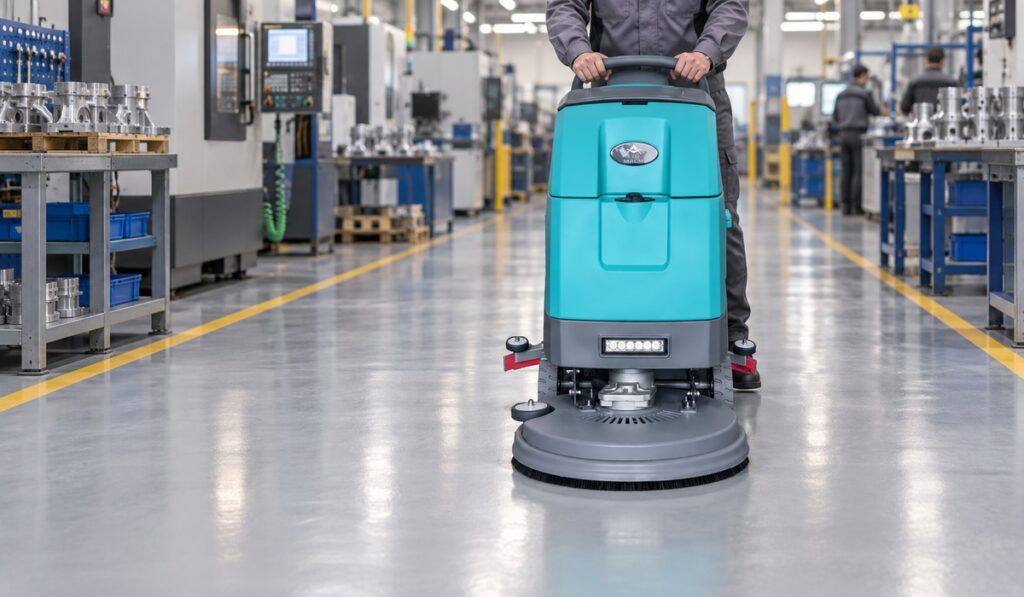
Match cleaning equipment to production aisles, workstations and workshop floors. Compare MRCH machines by the material to collect, floor compatibility, available access and the way your production shift operates.
View application →
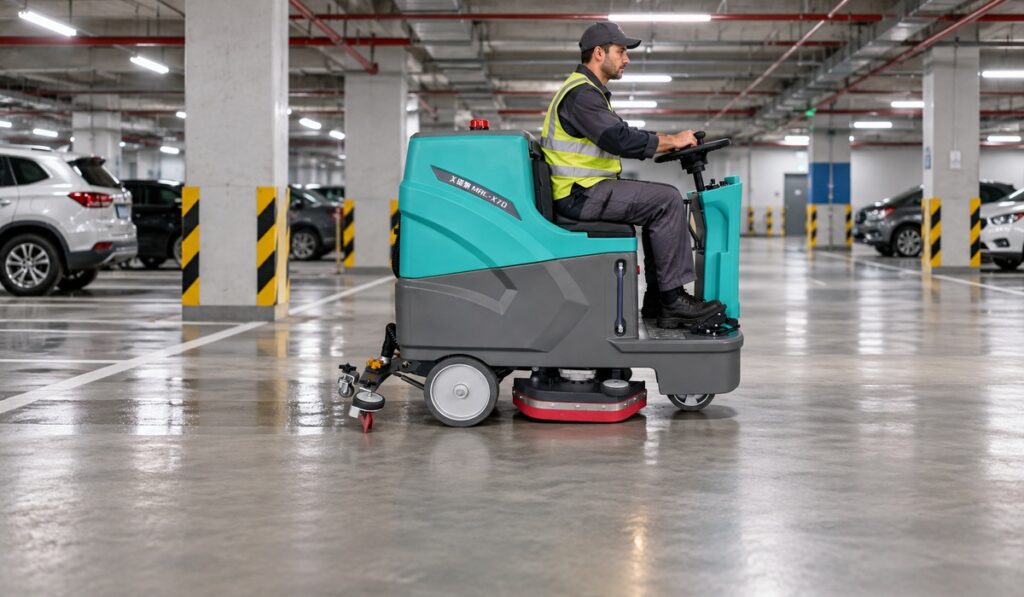
Plan covered garage floors and outdoor parking areas as distinct routes. Compare MRCH scrubbers and sweepers around clearances, ramps, turning space, floor finish and the debris your property collects.
View application →
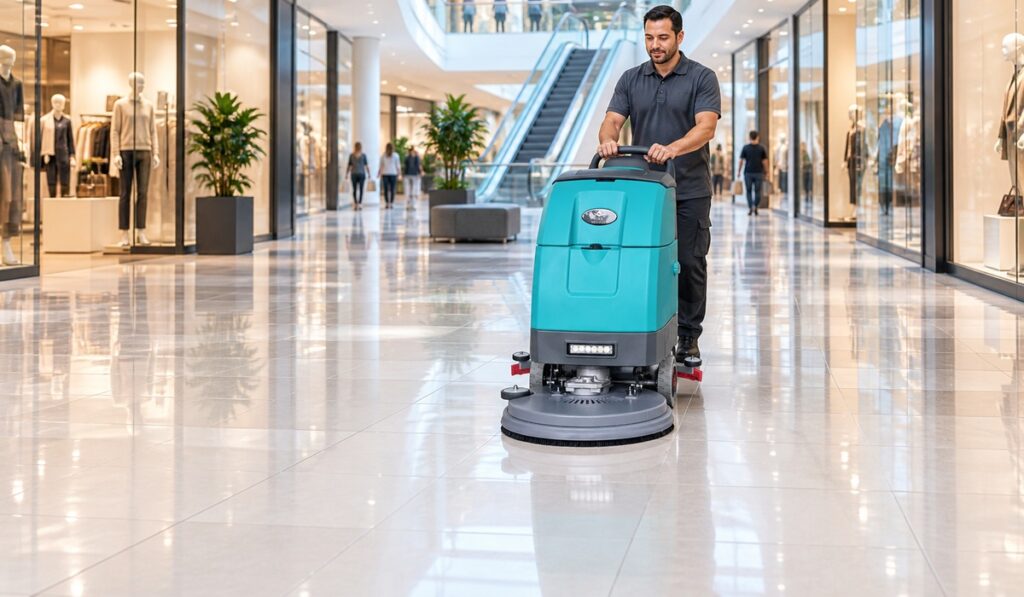
Compare cleaning equipment for sales aisles, checkout lanes, entrances and open mall floors. Match MRCH walk-behind or ride-on scrubbers to the floor finish, display layout and the time available around opening hours.
View application →
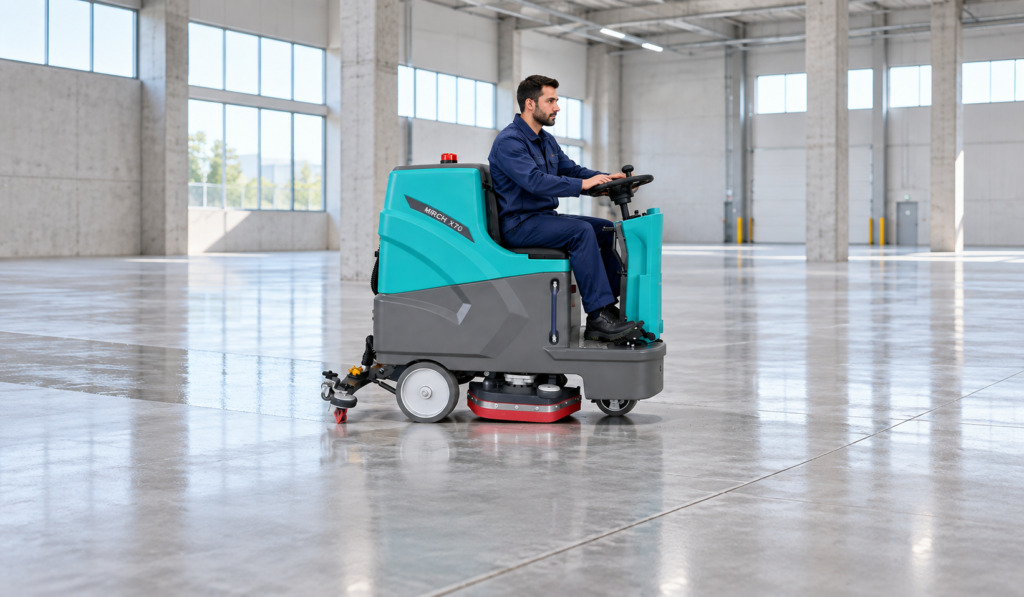
Choose a cleaning method for the concrete you actually have. Compare MRCH equipment for sealed, polished, coated or unfinished floors, using the surface condition, residue, access and recovery requirements as the starting point.
View application →Build a useful quotation around your site and selected model, then record the agreed equipment and documentation before placing the order.
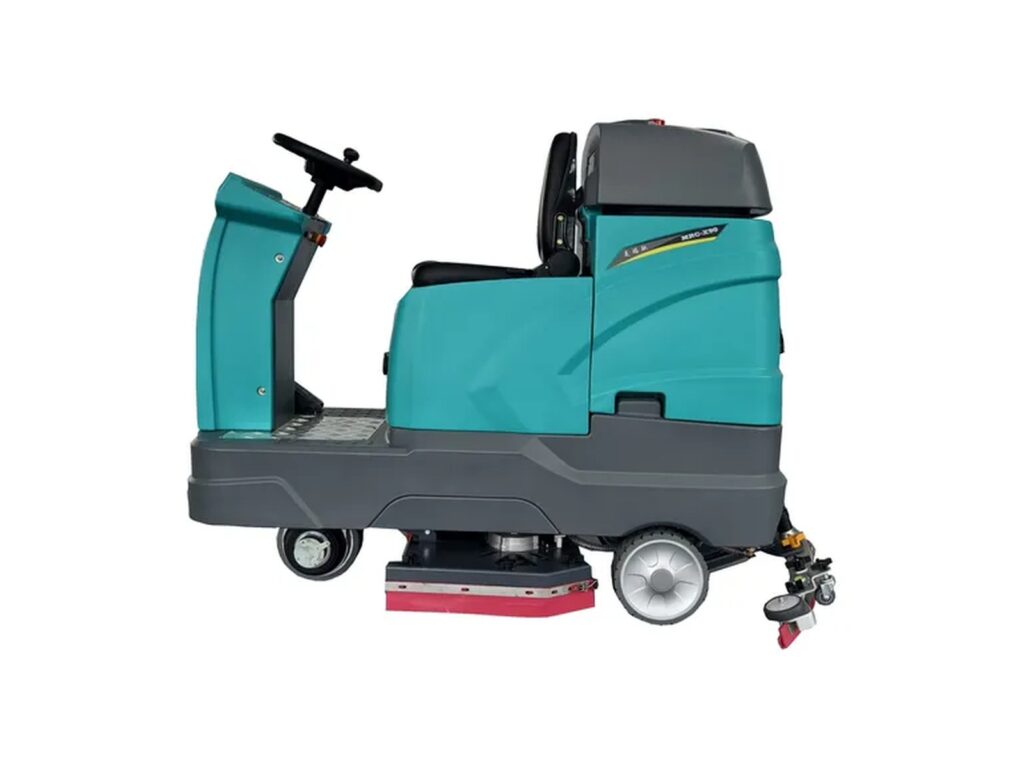
Send floor area, finish, typical dirt, access dimensions and the daily cleaning window. Include a simple layout or photographs where useful.
Use operating format, solution capacity and listed runtime to narrow the range. Compare the shortlisted machines’ full dimensions and configuration.
Confirm battery and charger, brush or pad, squeegee, accessories, branding and required documents. Resolve any differences between listings and the proposed order.
Agree quantities, packaging, destination, payment and delivery terms in the quotation. Request the relevant operation and routine-care information for the supplied machine.
Watch the available MRCH product video and review the related model specifications.
Practical answers for facilities teams, distributors and OEM buyers comparing commercial and industrial scrubber dryers.
A scrubber dryer applies cleaning solution, uses a brush or pad to loosen dirt and recovers the dirty liquid through a vacuum and squeegee system. It is intended for suitable hard floors. Select the cleaning tool and detergent around the floor finish and soiling rather than treating every surface identically.
Compare a ride-on model for longer routes and open areas, and a walk-behind model where maneuvering and access are the main constraints. Total floor area alone does not decide the choice. Check aisles, door openings, turning space, lifts and the route back to the filling and charging points. Explore ride-on machines or compare walk-behind machines.
The solution tank holds clean water and the specified detergent mixture; the recovery tank collects dirty liquid. Compare both capacities and where operators can refill and empty them. The model finder displays the two values as solution / recovery in litres, so a 55 / 60 L entry represents two separate tanks.
No. A listed runtime is a reference for the stated model configuration. Actual endurance depends on battery type and condition, charging, cleaning settings, load and the route. Ask MRCH to confirm the battery and charger supplied with the selected machine and plan breaks and charging around the operating instructions.
No. Cleaning-path width describes the swath scrubbed by the brush or pad. The rear squeegee collects dirty water and may extend wider than the cleaning path. Use overall machine dimensions, including the fitted squeegee, to check door and aisle clearance. Request a confirmed dimension drawing where access is tight.
Start with the area that actually needs cleaning and the time available. Published area performance may describe ideal straight-line operation. Turning, obstacles, overlapping passes, refilling, draining and moving between areas reduce the coverage achieved during a real shift. Use your site layout and cleaning trial to refine the schedule.
Floor suitability depends on the specific finish, its condition, water tolerance, cleaning tool and detergent. Consult the floor supplier’s care guidance and test a small area before routine use. Review our concrete floor cleaning guidance and send MRCH photographs and the type of dirt for a configuration discussion.
Loose debris and heavy dry contamination may require a separate preparation step before wet cleaning. A scrubber dryer should not automatically be treated as a substitute for a dedicated debris-collection machine. Compare floor sweepers and industrial vacuum cleaners where those tasks are part of the route.
Follow the supplied model manual. Typical daily checks include emptying and rinsing the recovery system, cleaning accessible tanks and filters, inspecting the brush or pad, and checking the squeegee for dirt or wear. Follow the instructions for the actual battery and charger; maintenance requirements differ by battery type.
Provide the model shortlist, order quantity, destination market, site requirements, battery and charger preferences, branding files, label language and packaging needs. Ask for the relevant model documents and spare-parts list. MRCH will review feasibility and confirm the agreed configuration and commercial terms in the quotation.
Explore the two scrubber formats or compare equipment for dry sweeping and debris collection.

Compare seated floor scrubbers for long cleaning routes and larger open areas. Review access, tank capacity and battery configuration.
Explore category →
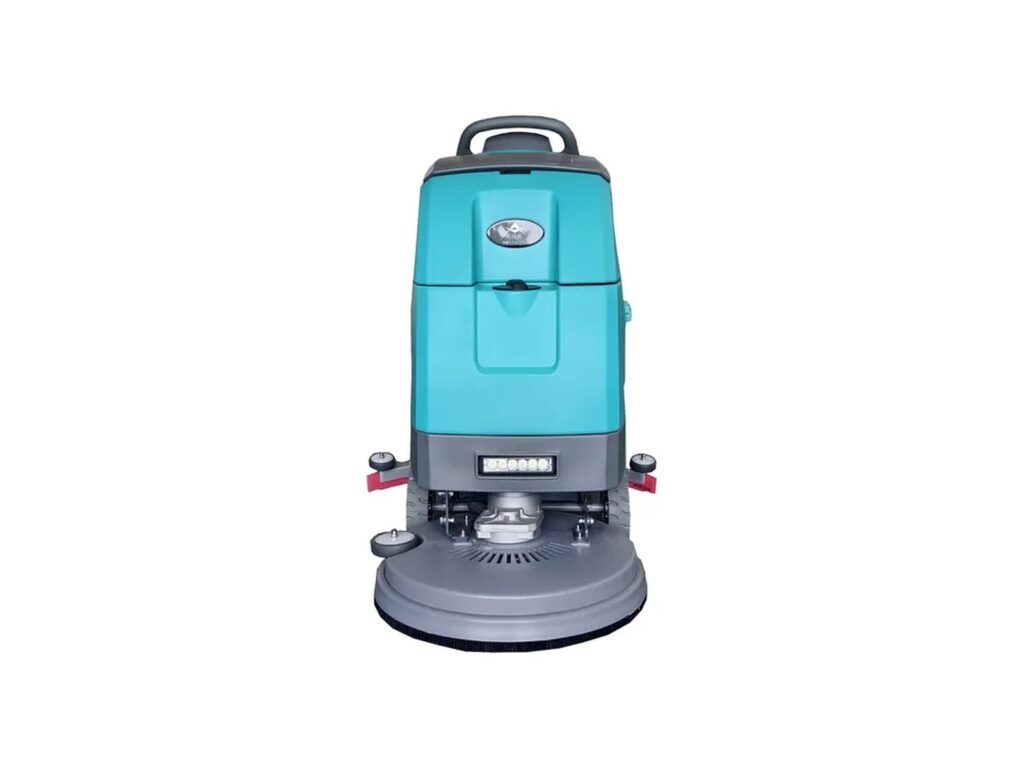
Compare compact and walk-behind scrubbers for aisles and frequent turns. Check the cleaning tool, water tanks and operating space.
Explore category →
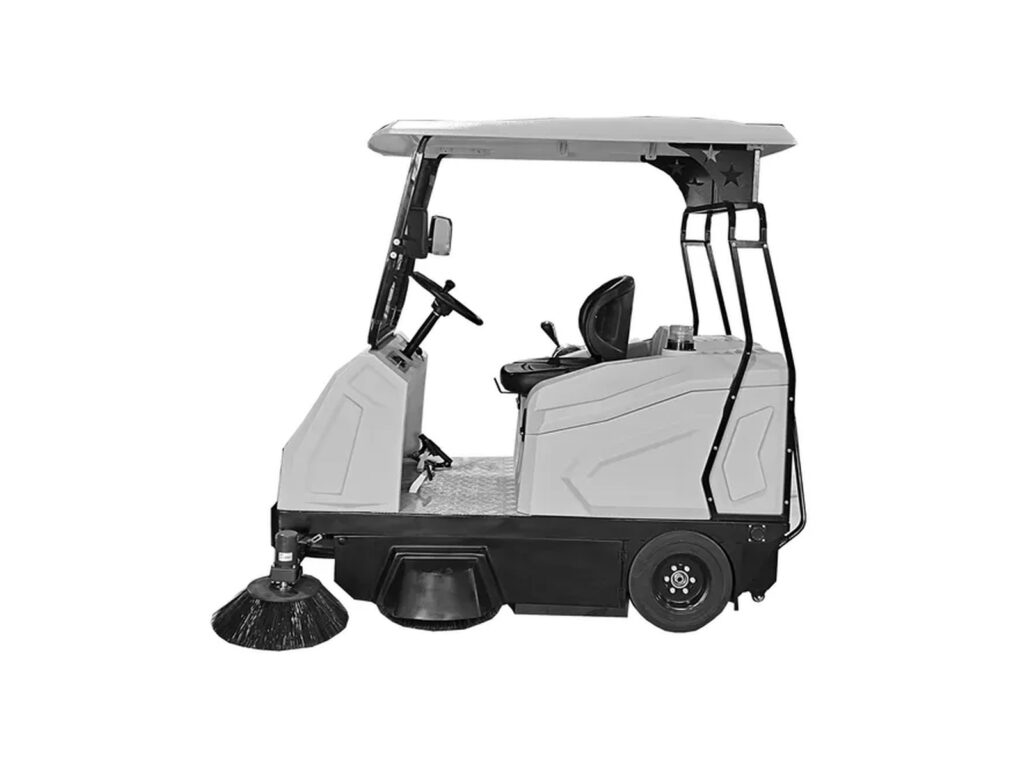
Explore ride-on and walk-behind sweepers for dry debris collection across industrial and commercial sites. Compare sweeping width, hopper capacity, power source and the dust-control configuration listed for each model.
Explore category →
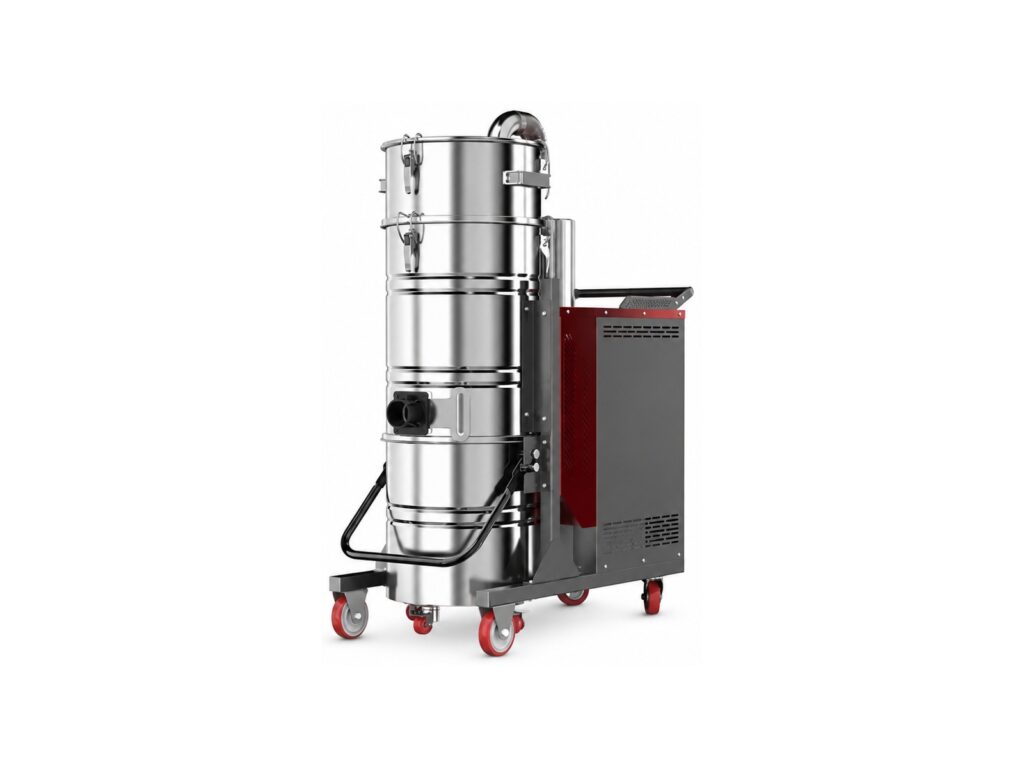
Compare MRCH industrial vacuum cleaners for equipment areas, workshops and industrial cleaning tasks. Review the published power, collection capacity and model configuration, and confirm wet/dry capability and filtration against your waste material.
Explore category →Tell us your floor area, surface, cleaning requirements, quantity and delivery market for a suitable machine recommendation and quotation.